
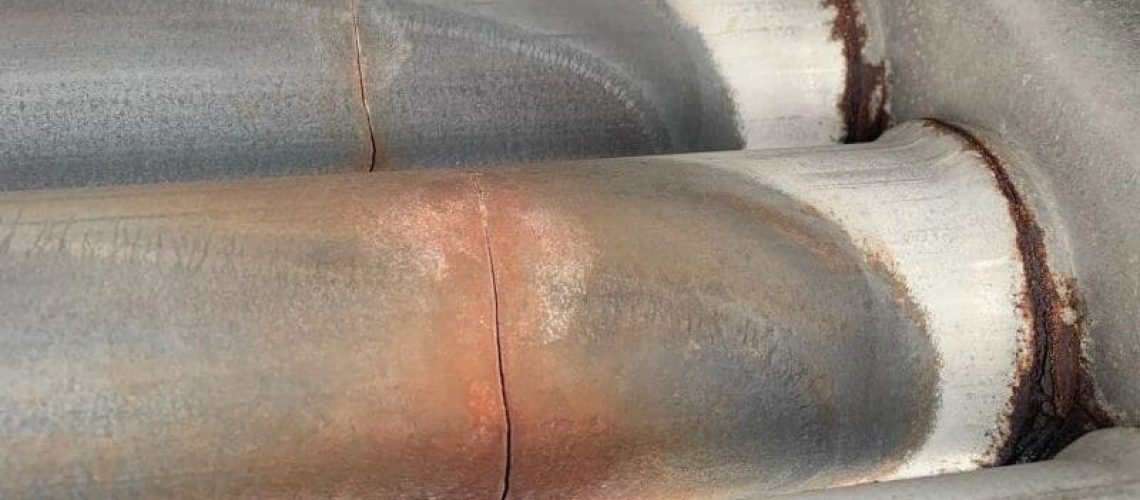
There are plenty of inspection findings that fall into a gray area. A cracked heat exchanger isn’t one of them.
When I find one, the conversation changes immediately. This stops being about comfort or efficiency and becomes a life-safety issue.
What a Heat Exchanger Actually Does
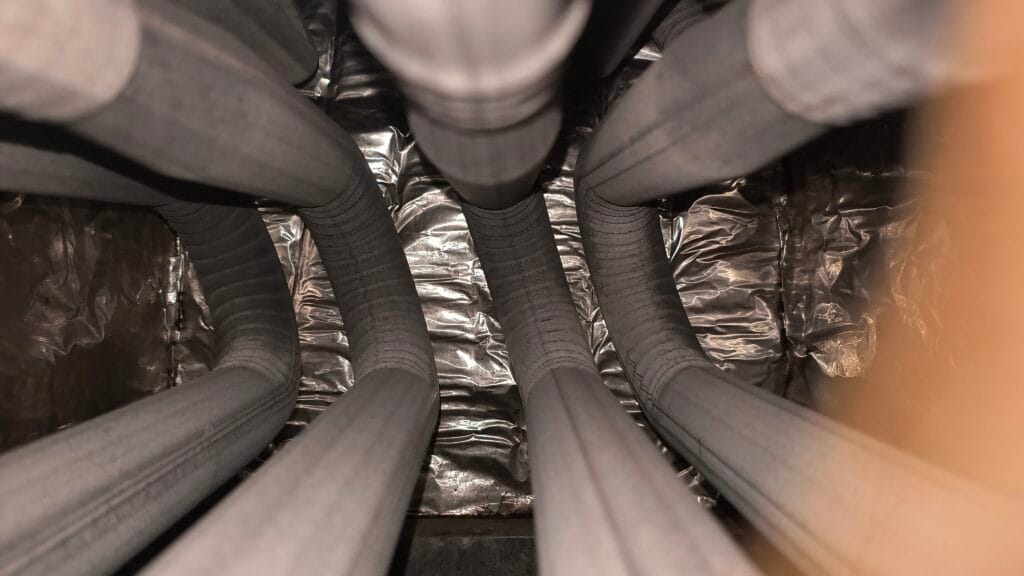
The heat exchanger separates combustion gases from the air you breathe. Flames and exhaust stay on one side, household air moves across the other.
When that barrier fails, those two worlds mix — and that’s where the danger lives.
A Real Inspection That Still Sticks With Me
I inspected a home in East Memphis where the furnace was still operating, still heating, and still “working” according to the seller.
Thermal imaging showed irregular heat patterns across the exchanger. Combustion analysis backed it up. Visual inspection confirmed hairline cracking along the cell seams.
The system ran. The house was warm. And it was absolutely unsafe.
That furnace was shut down that day.
Why Cracks Are So Dangerous
A cracked heat exchanger can allow:
- Carbon monoxide into living spaces
- Flame rollout
- Incomplete combustion
- Soot buildup
- Corrosion acceleration
I’ve seen exchangers that cracked just enough to pass visual checks but still leaked exhaust gases under load.
That’s why I don’t rely on one method alone.
Why “It’s Been Like That for Years” Doesn’t Matter
I hear this a lot:
“The furnace has worked fine forever.”
Cracks don’t announce themselves loudly. They get worse gradually — until they don’t.
I inspected a home in Olive Branch where the exchanger finally failed completely during a cold snap. The family ended up without heat and with elevated CO levels inside the home.
The warning signs had been there for years.
What Causes Heat Exchangers to Crack
Most failures I see trace back to:
- Short-cycling
- Oversized furnaces
- Restricted airflow
- Dirty filters
- Improper installation
- Overheating due to blocked returns
Heat exchangers aren’t fragile — but they don’t tolerate abuse.
Why This Is Never a “Monitor” Item
If a heat exchanger is cracked:
- The furnace is unsafe
- Continued operation increases risk
- Repair is not practical
- Replacement is the correct solution
I don’t soften the language. I don’t hedge. I don’t downplay it.
Because I’ve seen what happens when people do.
How I Evaluate Heat Exchangers
Depending on access and system type, I use:
- Visual inspection
- Thermal imaging
- Combustion indicators
- Operating behavior under load
- Safety control response
If access is limited, that limitation gets documented clearly. Unknowns don’t get ignored.
What Buyers Need to Understand
A cracked heat exchanger isn’t a negotiation tactic — it’s a safety call.
That furnace may still heat today, but it shouldn’t be trusted tomorrow.
The Inspector’s Bottom Line
Some inspection findings are about money. This one is about people.
When a heat exchanger cracks, the system has crossed a line it can’t uncross. That’s why I treat it as non-negotiable — every single time.