Sewer lines tend to fail quietly. Unlike interior plumbing leaks that show up as stains or drips, underground sewer defects often develop out of sight and remain unnoticed until a blockage or backup occurs. Sewer scope inspections provide a direct view inside the line, allowing inspectors to identify common defect patterns before they turn into major repairs.
Based on sewer scoping performed throughout the Mid-South, certain defects appear repeatedly—especially in older homes and properties with mature landscaping.
Root Intrusion at Joints and Cracks
Root intrusion is one of the most frequently observed sewer line defects. Tree and shrub roots naturally seek moisture and can enter sewer lines through small gaps, joints, or cracks.
This is especially common in homes built with older clay tile or cast-iron lines, which were installed in short sections with multiple joints. Properties in established neighborhoods around Memphis, Jackson (TN), Cape Girardeau, and Elizabethtown are particularly susceptible due to mature trees planted decades ago.
Early root intrusion may only partially obstruct the line, but over time it can lead to repeated clogs, pipe displacement, or collapse.
Cracked, Offset, or Collapsed Pipe Sections
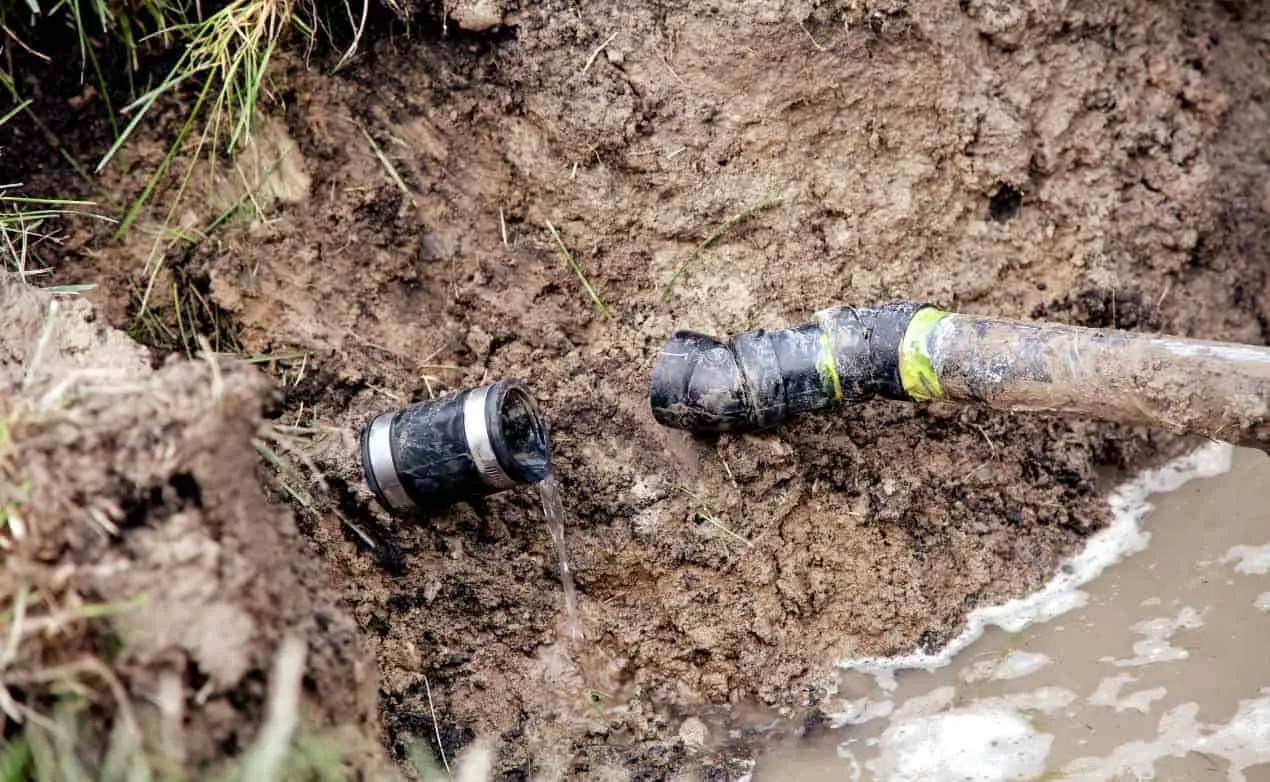
As sewer lines age, shifting soil and ground movement can cause pipe sections to crack, separate, or collapse. Even slight offsets between pipe segments can disrupt flow and create areas where waste and debris collect.
Soil conditions across parts of Tennessee, Missouri, and Arkansas contribute to this type of movement, particularly in older neighborhoods where original sewer lines remain in service.
These defects are often invisible from the surface and may not cause immediate backups, making sewer scoping especially valuable.
Bellies and Low Spots in the Line
A “belly” occurs when a section of the sewer line settles and no longer maintains proper slope. Waste and water can collect in this low area, slowing flow and increasing the likelihood of blockages.
Bellies are commonly found in:
- Older installations
- Trenches that were not properly compacted
- Areas where soil has shifted over time
While some bellies may be manageable with maintenance, others can lead to recurring problems and eventual pipe failure.
Deterioration of Older Pipe Materials
Certain sewer pipe materials have well-documented longevity issues. During inspections, common deterioration is observed in:
- Cast iron, which can corrode, flake, or develop rough interiors
- Clay tile, which can crack, shift, or allow root intrusion
- Orangeburg (fiber pipe), which can deform or collapse as it ages
Homes built several decades ago throughout the Mid-South frequently still rely on these materials, making sewer scoping an important part of due diligence.
Improper Transitions and Repairs
Not all sewer line issues are related to age alone. Inspectors sometimes encounter improper repairs or transitions between pipe materials, such as:
- Mismatched pipe diameters
- Poorly sealed joints
- Temporary repairs that were never corrected
- Non-standard materials used underground
These conditions can create ongoing maintenance issues and may not meet current standards.
Debris, Grease, and Build-Up
In some cases, sewer line issues are related to internal buildup rather than structural damage. Grease accumulation, debris, or foreign objects can restrict flow and mimic more serious defects.
While these conditions may be correctable through cleaning, sewer scoping helps determine whether buildup is the primary issue or a symptom of an underlying structural problem.
Why These Defects Are Often Missed
Many sewer line defects do not immediately affect drainage. A line can appear to function normally while defects develop gradually underground.
This is why relying on drain flow alone is not a reliable indicator of sewer line condition. Visual confirmation through scoping provides clarity that surface-level observations cannot.
How Inspectors Use Sewer Scope Findings
Inspectors do not repair sewer lines or predict exact failure timelines. Their role is to:
- Document visible defects
- Identify patterns consistent with deterioration or damage
- Explain findings in practical terms
- Recommend further evaluation or repair when appropriate
This information is especially valuable during real estate transactions.
Final Thoughts
Common sewer line defects tend to follow predictable patterns, particularly in older homes and areas with mature landscaping. Root intrusion, pipe deterioration, settlement, and improper repairs are frequently identified during sewer scope inspections throughout the Mid-South.
By identifying these issues early, sewer scoping helps homeowners and buyers avoid unexpected repairs and make informed decisions based on the actual condition of the underground system—not assumptions or guesswork.