
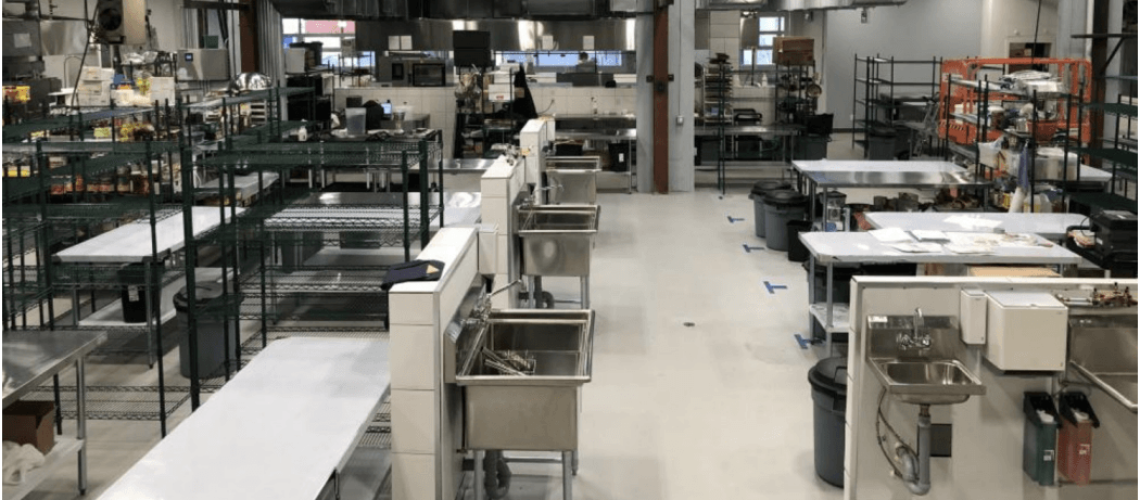
Cold storage and food processing facilities operate under conditions that most commercial buildings never experience. Extreme temperature differentials, constant moisture pressure, heavy equipment loads, and strict operational requirements all converge in one place. On paper, these buildings may look industrial and robust. In practice, they are some of the least forgiving properties to own if underlying systems are even slightly misaligned.
At Upchurch Inspection, inspections of cold storage and food-related facilities across Memphis and West Tennessee, Little Rock and Central Arkansas, Jonesboro, Cape Girardeau, Nashville, and Central Kentucky (Elizabethtown and Louisville) consistently reveal the same issue: buyers underestimate how quickly small deficiencies escalate under cold, wet, and high-load conditions.
Temperature Differentials Drive Hidden Structural Stress
Cold storage facilities place the building envelope under continuous stress. Walls, roofs, floors, and structural connections are constantly expanding and contracting as interior temperatures remain far below exterior conditions.
Inspectors pay close attention to:
- Panel movement and joint separation
- Evidence of thermal bridging
- Fastener fatigue or pull-through
- Cracking tied to temperature cycling
- Repairs that suggest repeated movement
In humid regions like West Tennessee and Central Arkansas, temperature differentials also amplify condensation risk, accelerating deterioration that might progress slowly elsewhere.
Moisture Is the Primary Enemy—Not Just a Side Effect
Moisture is not incidental in cold storage facilities. It is constant, aggressive, and often embedded in the building’s operation.
Inspectors evaluate:
- Vapor barrier continuity
- Evidence of condensation within wall or roof assemblies
- Ice formation patterns indicating air leakage
- Corrosion at structural and mechanical components
- Drainage performance inside and outside cold zones
A facility can appear clean and functional while quietly accumulating moisture damage behind insulated panels or beneath slabs.
Slabs and Floors Absorb Extreme Abuse
Cold storage floors endure conditions few other slabs face: thermal cycling, heavy forklifts, pallet loads, and repeated washdowns.
Inspectors focus on:
- Slab cracking patterns and joint integrity
- Evidence of frost heave or sub-slab moisture issues
- Floor coatings breaking down under use
- Repairs that indicate ongoing movement
- Transitions between cold and ambient areas
In areas like Cape Girardeau and Louisville, where older industrial stock is often repurposed, inspectors frequently see slabs that were never designed for cold storage loads being pushed well beyond original assumptions.
Mechanical Systems Are Mission-Critical, Not Just Expensive
In cold storage and food processing facilities, mechanical systems are not support systems—they are the operation.
Inspectors evaluate:
- Refrigeration system condition and redundancy
- Maintenance access to compressors and controls
- Evidence of emergency repairs
- Condensate management
- Integration between refrigeration, HVAC, and ventilation systems
Mechanical failure doesn’t inconvenience tenants. It destroys inventory, disrupts supply chains, and creates immediate financial exposure.
Drainage and Washdown Systems Carry Structural Consequences
Food processing facilities often rely on frequent washdowns to maintain sanitation. That water has to go somewhere.
Inspectors pay close attention to:
- Floor slope toward drains
- Drain condition and capacity
- Evidence of standing water
- Corrosion around drains and piping
- Exterior discharge patterns affecting foundations
In Nashville and Memphis, inspectors commonly see facilities where washdown practices accelerated slab and foundation deterioration because drainage design never matched operational reality.
Electrical and Control Systems Age Faster Than Buyers Expect
Cold storage and food processing facilities rely heavily on controls, sensors, and electrical infrastructure.
Inspectors assess:
- Electrical service capacity relative to equipment demand
- Panel condition in high-moisture environments
- Corrosion at connections
- Incremental system additions
- Vulnerability to power interruptions
Even facilities that “work fine” may be operating without meaningful margin, leaving little room for expansion or equipment upgrades.
Roof Systems Carry Dual Risk: Moisture and Load
Roofs in cold storage facilities manage more than weather. They manage vapor pressure, insulation performance, and equipment loads.
Inspectors evaluate:
- Insulation continuity
- Evidence of trapped moisture
- Roof penetrations tied to refrigeration systems
- Ponding that worsens thermal stress
- Repair history that suggests recurring failure
A roof that looks intact from above may be failing silently within the assembly.
Why Buyers Are Often Caught Off Guard After Closing
Cold storage and food processing facilities tend to operate right up to the edge of their tolerances. There is little buffer.
Buyers are often surprised by:
- Rapid escalation of minor defects
- Unexpected mechanical replacements
- Moisture damage discovered during upgrades
- Structural repairs tied to thermal movement
- Downtime costs that dwarf repair costs
Inspections aim to identify how close the building is to those edges, not just whether systems currently function.
How Experienced Buyers Use Cold Storage Inspection Findings
Seasoned buyers approach these inspections differently. They want to understand:
- Where moisture control is weakest
- How the building handles thermal stress
- Which systems lack redundancy
- What failures would halt operations immediately
- How regional humidity and climate amplify risk
Inspection findings inform pricing, contingency planning, and long-term capital strategy—not just immediate repairs.
The Practical Reality
Cold storage and food processing facilities are unforgiving by design. They demand precision from buildings that were often adapted, expanded, or repurposed over time.
Inspectors who understand these properties don’t just look for damage. They evaluate how temperature, moisture, load, and mechanical dependency interact under real operating conditions—especially in humid Mid-South climates.
That understanding is what separates a manageable facility from one that becomes an ongoing emergency the moment ownership changes hands.