One of the most common points of confusion we see—especially after an inspection—is when someone asks:
“Is this up to code?”
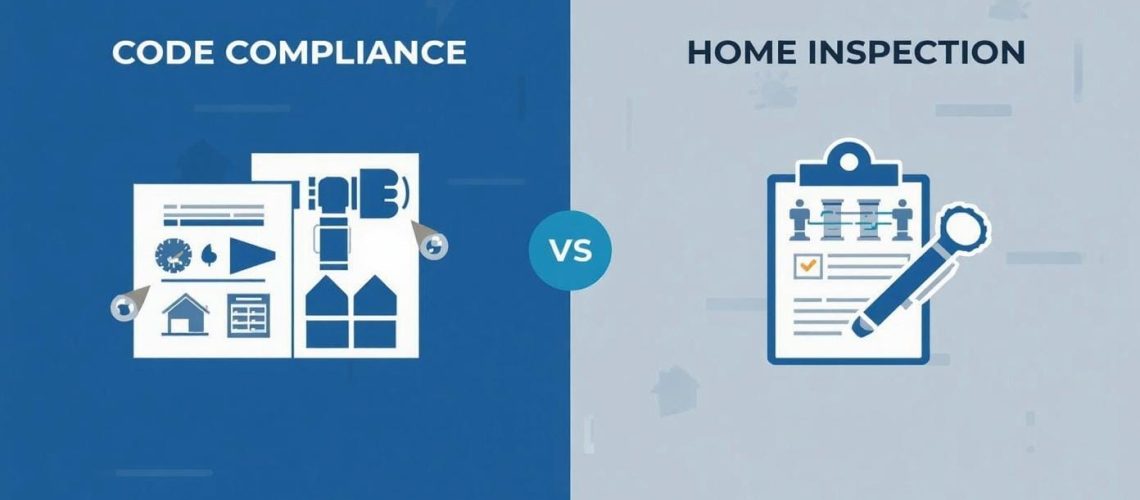
It’s a reasonable question, but it’s also where expectations often get crossed. Home inspections and code enforcement are not the same thing, and treating them as interchangeable leads to frustration, misunderstandings, and sometimes unnecessary conflict during a transaction.
At Upchurch Inspection, we’re very intentional about explaining this difference, because it affects how buyers interpret findings and how sellers respond to them.
Building Codes Are a Snapshot in Time
Building codes are written standards that apply at the time of construction or permitted renovation. They change constantly as materials, safety knowledge, and construction practices evolve.
A home built in the 1970s was required to meet the codes in place in the 1970s—not today’s standards. That doesn’t make the home unsafe or defective. It means it was built under a different rulebook.
Expecting older homes to meet modern code is unrealistic and, frankly, not how real estate works.
What a Home Inspection Actually Evaluates
A home inspection evaluates current condition, safety concerns, and performance, not legal compliance.
When we inspect a home, we’re asking questions like:
- Does this system appear to operate as intended today?
- Are there visible safety concerns that could affect occupants?
- Are there signs of deterioration, failure, or improper modification?
- Does something appear inconsistent with accepted construction practices?
Those questions are about risk, not legality.
Why Something Can Be “Not to Code” but Still Acceptable
This is where confusion usually starts.
A stairway might lack modern handrail spacing. An electrical panel might not meet today’s labeling standards. A bathroom may not have GFCI protection that’s now required in new construction.
None of that automatically means the home is defective or unsafe. It means the home reflects the standards of its era.
Inspectors note these conditions when they present a safety concern or a functional limitation, not simply because they differ from modern code language.
Why Something Can Be Dangerous Even If It Was “Code at the Time”
The opposite is also true.
Some systems were code-compliant when installed but are now known to be problematic. Certain wiring methods, plumbing materials, or design approaches were once accepted and later proven risky.
In those cases, an inspector may call out a concern even if the installation technically met code decades ago.
Safety knowledge evolves. Inspections reflect current understanding of risk, not outdated approval.
The Role of Code Officials vs. Inspectors
Code officials:
- Enforce building codes
- Approve permitted work
- Have authority to require corrections
Home inspectors:
- Observe and report conditions
- Identify safety and performance concerns
- Provide information for decision-making
Inspectors don’t “fail” homes and don’t require repairs. We don’t issue violations. We provide context so buyers and sellers can make informed choices.
How Code Confusion Affects Real Estate Transactions
When buyers assume inspections are code checks, they often:
- Demand unnecessary upgrades
- Misinterpret findings as violations
- Escalate minor issues into major disputes
When sellers misunderstand inspection comments, they may:
- Feel accused of wrongdoing
- Push back defensively
- Make rushed or cosmetic fixes
Clear understanding on both sides leads to smoother negotiations and better outcomes.
How We Approach This at Upchurch Inspection
When we reference codes or standards, we do so to:
- Explain why a condition may present a safety concern
- Provide context for modern best practices
- Help clients understand risk—not to enforce compliance
We’re careful to explain whether something is:
- A safety issue
- A performance concern
- An age-related condition
- A modern upgrade consideration
That distinction matters.
The Question Buyers Should Ask Instead
Rather than asking:
“Is this up to code?”
A more useful question is:
“Does this condition pose a safety risk or practical concern for how I plan to use the home?”
That reframing leads to better decisions than chasing code language ever will.
Final Thought
Home inspections aren’t about enforcing today’s rules on yesterday’s homes. They’re about understanding how a home performs now, where risk exists, and what that means for ownership.
When buyers understand the difference between code compliance and inspection findings, reports become clearer, negotiations become calmer, and decisions become more grounded in reality.