
The Short Answer (Here’s the Truth)
Homes in Chenal Valley don’t usually sink — they heave.
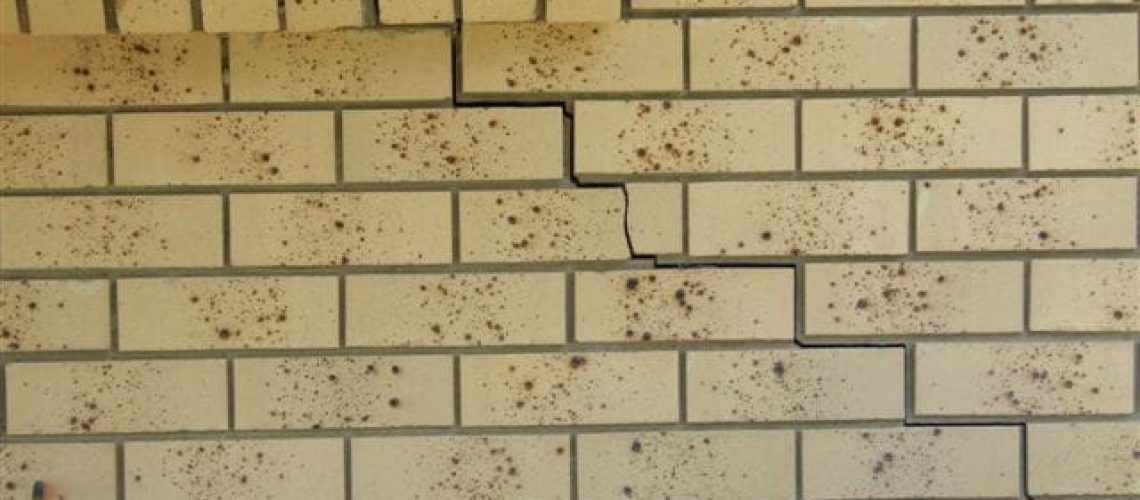
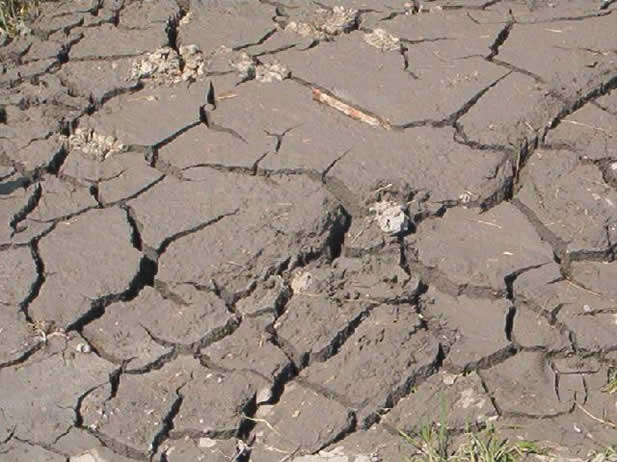
In West Little Rock, particularly around 72223, non-porous clay soils behave like a bowl, trapping water under slab foundations. When that clay gets wet, it expands and pushes the house up. That movement cracks drywall, tweaks doors, and scares buyers — even when the structure itself is still recoverable.
I see this pattern constantly in Chenal and nearby Maumelle.
Why Chenal Valley Is Different (Soil, Not Craftsmanship)
Chenal isn’t dealing with loose fill or sandy soils. It’s dealing with high-plasticity clay that:
- Absorbs water slowly
- Releases moisture even slower
- Expands upward when saturated
Add rolling terrain and upscale landscaping, and you get the perfect storm.
Near neighborhoods off Chenal Parkway, water flows downhill — but instead of escaping, it collects along the slab edge and underneath the home.
This Is Where Inspectors Get It Wrong
Many inspectors call this:
“Settlement.”
That’s lazy — and inaccurate.
Wes-ism:
If cracks open after heavy rain and tighten back up in dry months, the house isn’t dropping — the soil is swelling.
That distinction matters because:
- Settlement often implies permanent failure
- Heave can sometimes be managed, not rebuilt
What I Actually Find During Chenal Inspections
This isn’t theory. This is pattern recognition.
Common findings:
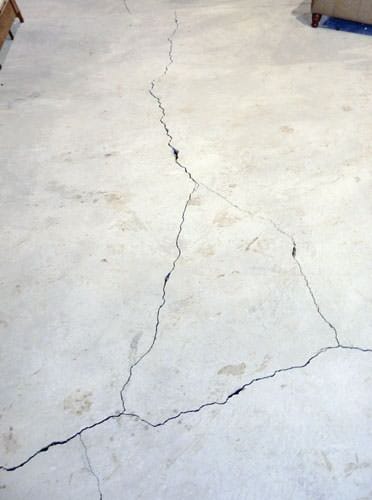
- Interior cracks that change seasonally
- Doors that stick only in spring
- Tile tenting near exterior walls
- Foundation elevation readings that fluctuate year-to-year
- Landscaping that traps water against the slab edge
And here’s the kicker:
Most of these homes have perfect gutters — but no ground-level water control.
Why Landscaping Makes It Worse
Chenal Valley homes often feature:
- Decorative berms
- Heavy mulch beds
- Retaining features without drainage relief
Those look great.
They also hold moisture exactly where expansive clay does the most damage.
I’ve seen slabs heave simply because a flower bed stayed wet all summer.
The “Active Foundation Management” Reality
This isn’t a one-time fix. It’s a strategy.
In clay-heavy areas like Chenal:
- Consistent soil moisture matters more than dryness
- Sudden wet/dry cycles cause the most movement
- Drainage corrections beat piering most of the time
This is where buyers panic — and shouldn’t.
What We Do Differently
During Chenal Valley inspections, we:
- Look for movement patterns, not just cracks
- Correlate damage with drainage and grade
- Document seasonal risk clearly
- Avoid calling everything “structural failure” when it’s not
Bad calls kill deals.
Good calls protect buyers.
The Next Step (Before You Overreact)
If you’re buying in Chenal Valley or West Little Rock:
- Don’t assume cracks mean collapse
- Don’t ignore water management
- Don’t accept “that’s normal” without explanation
Our reports feed directly into the ISN Repair Request Builder, helping you:
- Separate real risk from manageable conditions
- Ask for drainage corrections, not panic credits
- Keep the deal intact while protecting yourself
Sometimes the smartest move isn’t a foundation company — it’s a shovel and a plan.
Bottom Line
Chenal homes don’t fail quietly.
They move — predictably, seasonally, and often fixably.
The key is knowing why before you start tearing things apart.