
Boiler systems don’t scare me — neglected boiler systems do.
In older Memphis neighborhoods, especially Midtown and East Memphis, boilers are still quietly doing their job decades after installation. They’re simple, durable, and when maintained, incredibly reliable.
But when they’re ignored, modified poorly, or misunderstood, they become expensive and potentially dangerous.
Why Boilers Are Still Around Here
Many historic Memphis homes were built with boiler systems long before forced-air heating became the norm. These systems were designed for:
- Even, steady heat
- Long service life
- Minimal moving parts
I’ve inspected boilers that are older than the homeowner — and still working.
Age alone isn’t the problem.
A Real Inspection That Changed a Buyer’s Perspective
I inspected a 1930s home in Memphis Midtown where the buyer was convinced the boiler was “ancient and unusable.”
Once I got eyes on it, the story changed.
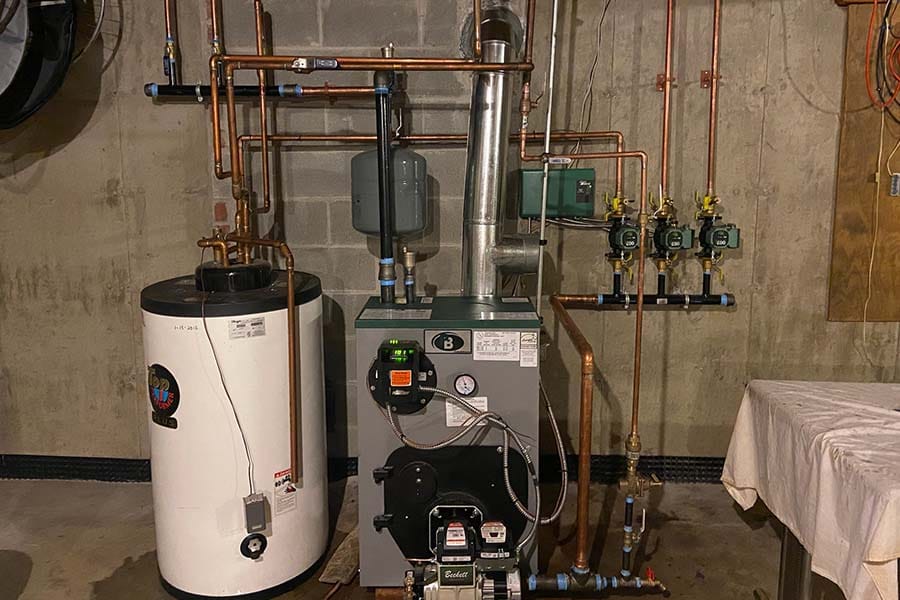
Cast iron sections were intact. No active leaks. Burner assembly clean. Expansion tank functional. Distribution piping showed normal aging but no failure.
That boiler wasn’t obsolete — it was just unfamiliar.
What Actually Makes a Boiler Unsafe
Boilers fail for specific reasons, not because they’re old.
The biggest red flags I look for:
- Corrosion at section joints
- Active leaks or mineral staining
- Improper flue venting
- Missing or failed pressure relief valves
- Inoperative low-water cutoff controls
- Unsafe fuel supply connections
I’ve seen boilers with replacement parts installed incorrectly — especially safety devices.
That’s when age becomes irrelevant and risk takes over.
Why “Modernized” Boilers Worry Me More
Oddly enough, the most concerning boilers I inspect are the ones that have been “updated” without a full understanding of the system.
Common mistakes include:
- Incorrect circulator pump sizing
- Improper zone valve installs
- Abandoned gravity systems converted poorly
- Incompatible thermostats added
- Relief valves piped incorrectly
I inspected a home in East Memphis where a gravity-fed boiler had been retrofitted with pumps but no proper pressure control. The system worked — but it wasn’t operating safely.
Expansion Tanks: Small Component, Big Consequences
Expansion tanks are critical on boiler systems.
When they fail or are waterlogged:
- Pressure spikes
- Relief valves discharge
- Leaks develop
- Piping stress increases
I always check whether the expansion tank:
- Is the correct type
- Is properly supported
- Shows signs of failure
- Matches the system design
A failed expansion tank is one of the most common boiler issues I find.
Venting and Combustion Still Matter
Just because boilers are quiet doesn’t mean combustion risks disappear.
I evaluate:
- Draft at the flue
- Clearances to combustibles
- Signs of backdrafting
- Rust or corrosion in vent connectors
- Combustion air availability
Older homes weren’t built airtight — but renovations can change that fast.
Radiators and Distribution Tells the Real Story
Radiators reveal how the system has been treated over time.
I look for:
- Evidence of leaks at valves
- Improper pitch on radiators
- Abandoned piping
- Air binding issues
- Signs of freezing damage
One leaking radiator valve usually means others aren’t far behind.
What Buyers Need to Understand
Boilers aren’t outdated — they’re just different.
A well-maintained boiler can:
- Last longer than most forced-air systems
- Provide consistent comfort
- Cost less to operate than expected
But repairs require the right professional. Not every HVAC contractor understands boilers — and that matters.
The Inspector’s Bottom Line
Historic homes deserve inspections that respect how they were built.
Boiler systems don’t need to be feared or ripped out automatically. They need to be understood, evaluated carefully, and maintained correctly.
When they’re treated with the respect they deserve, boilers can keep Memphis homes warm for generations.