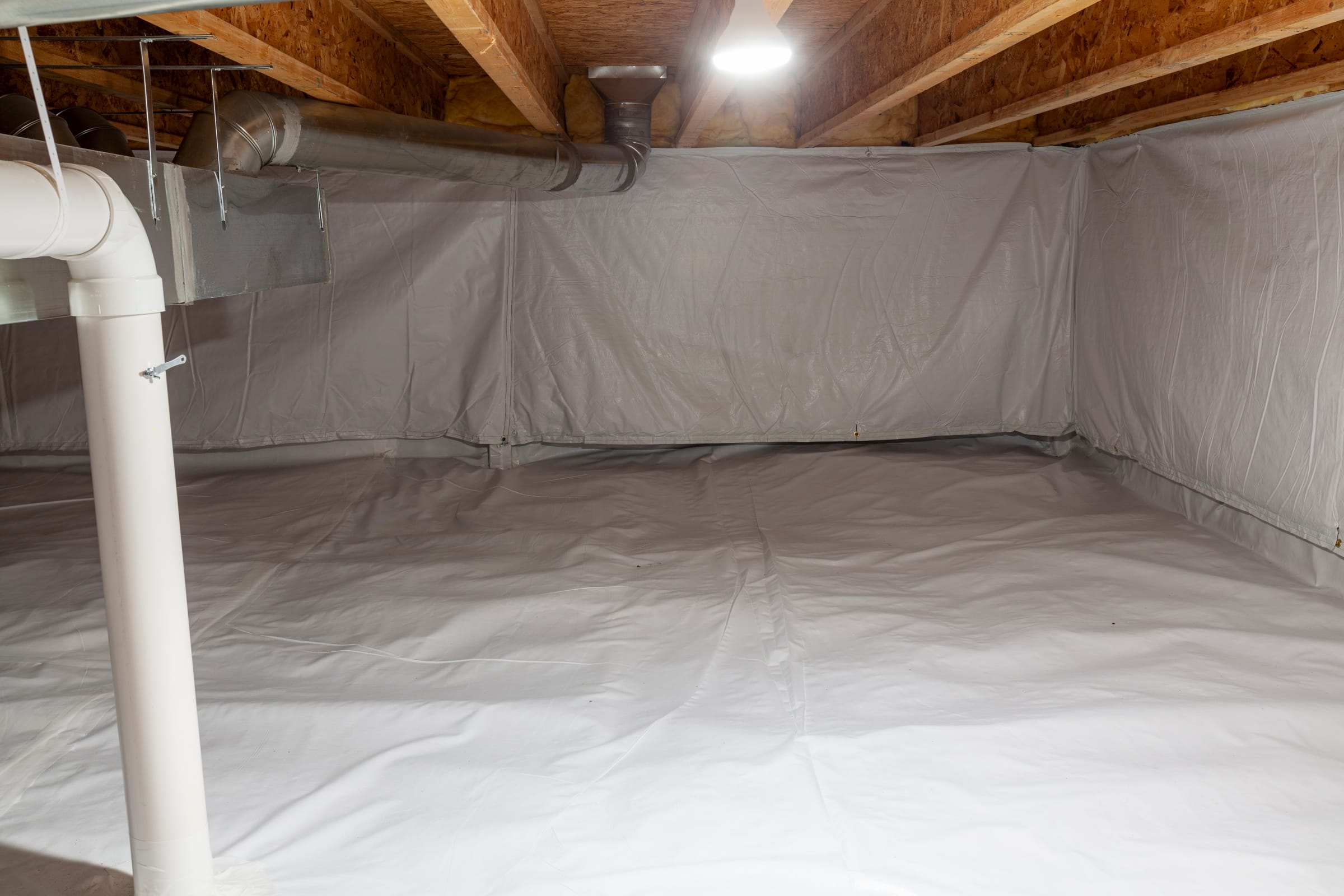
Crawlspace moisture is one of the most consistent inspection themes across West Tennessee. Homes in Memphis, Jackson, Brownsville, Dyersburg, and nearby communities share environmental conditions that make moisture management beneath the home especially important. Even houses that feel dry and comfortable inside can have crawlspaces that tell a very different story.
Understanding why moisture shows up—and how it behaves in this region—helps buyers interpret inspection findings realistically.
Soil and Climate Work Against Crawlspaces
West Tennessee’s clay-heavy soils hold moisture, and seasonal rainfall patterns keep the ground damp for long stretches of the year. When homes are built close to grade, moisture has fewer places to go.
Inspectors routinely encounter:
- Damp soil beneath the home
- Elevated crawlspace humidity
- Condensation on framing or ductwork
- Moisture that persists long after rainfall
These conditions don’t always cause immediate damage, but they increase long-term risk.
Vapor Barriers That Are Missing or Ineffective
Many crawlspaces either lack vapor barriers entirely or have barriers that no longer perform as intended.
Common observations include:
- Thin plastic that has torn or shifted
- Partial coverage leaving exposed soil
- Seams that were never sealed
- Older materials that have deteriorated
Without proper ground coverage, moisture vapor moves freely into the crawlspace and affects wood framing and insulation.
Venting That Introduces Humid Air
Traditional crawlspace venting is common in older West Tennessee homes, but it often works against moisture control in a humid climate.
Inspectors frequently see:
- Open vents allowing humid summer air inside
- Vents blocked by debris or landscaping
- Uneven airflow across the crawlspace
- Moisture levels higher near vent openings
Instead of drying the space, venting can introduce moisture that condenses on cooler surfaces.
Insulation That Has Absorbed Moisture
Crawlspace insulation problems are closely tied to moisture exposure. Once insulation becomes wet or compressed, it loses effectiveness and can contribute to ongoing issues.
Typical findings include:
- Batts sagging or falling from joists
- Wet or mold-affected insulation
- Gaps in coverage beneath living spaces
- Insulation installed without proper support
These conditions affect comfort and energy efficiency inside the home.
Early Wood Deterioration in Framing Components
Where moisture persists, wood framing is often affected over time. Inspectors commonly find early-stage deterioration that hasn’t yet become obvious above the floor.
Common areas include:
- Sill plates near foundation walls
- Joists in low or poorly drained sections
- Framing near plumbing penetrations
- Areas beneath bathrooms or kitchens
Catching these conditions early helps prevent more extensive repairs later.
Exterior Drainage Drives Crawlspace Conditions
Crawlspace moisture often originates outside the home. Even a well-built crawlspace can struggle if water is directed toward the foundation.
Inspectors regularly identify:
- Negative grading toward the home
- Downspouts discharging near crawlspace walls
- Settled soil creating low spots
- Limited drainage paths during heavy rain
Improving exterior water management often reduces crawlspace moisture significantly.
Why Regional Experience Matters
Homes across West Tennessee behave differently than homes in drier or colder regions. Inspectors familiar with local soil, climate, and construction practices are better equipped to recognize which moisture conditions are typical and which suggest a higher risk.
That context helps buyers focus on meaningful issues rather than reacting to crawlspace findings without understanding why they occur.