Central Arkansas homes often look straightforward on the surface. Neighborhoods around Little Rock, North Little Rock, Conway, Benton, and Bryant include a wide range of construction styles and ages, and many homes present well during showings. Inspections, however, regularly surface conditions that catch buyers off guard—not because they are extreme, but because they aren’t obvious without a closer look.
These surprises tend to reflect how homes in the region interact with soil, moisture, and long-term use rather than poor construction.
Subtle Foundation Movement That Shows Up Indoors First
One of the most common surprises for buyers is how foundation movement presents itself inside the home rather than outside.
Inspectors often find:
- Slight floor slope or unevenness
- Cracks at interior wall corners
- Doors that don’t stay latched
- Trim separation that wasn’t noticeable during a walkthrough
Central Arkansas soils expand and contract with moisture changes, and many homes show long-term movement that has stabilized over time. The key is recognizing patterns rather than reacting to a single symptom.
Crawlspace Conditions That Don’t Match Interior Appearance
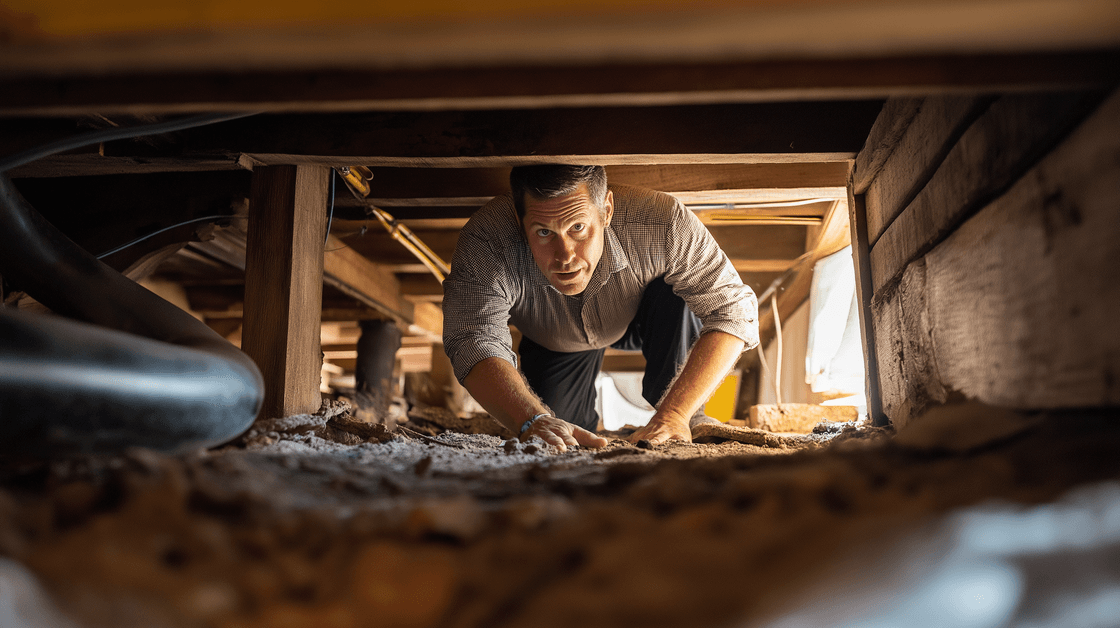
Homes may feel dry and comfortable inside while crawlspace conditions tell a different story. Moisture beneath the home is a recurring inspection topic throughout the region.
Common findings include:
- Damp soil or elevated humidity
- Incomplete or aging vapor barriers
- Insulation that has fallen or absorbed moisture
- Early signs of wood deterioration
Because crawlspaces are out of sight, buyers are often surprised by how much influence these areas have on the rest of the home.
Drainage and Grading That Work—Until They Don’t
Many Central Arkansas homes manage water adequately under normal conditions but struggle during heavy rainfall.
Inspectors frequently observe:
- Grading that slopes toward the foundation
- Downspouts that discharge too close to the home
- Settled soil creating low spots near walls
- Limited drainage paths during storms
These issues may not cause daily problems, but they become more apparent during seasonal weather events.
Electrical Systems Updated in Pieces
Buyers are often surprised to learn that visible upgrades don’t always reflect the condition of the entire electrical system.
Inspection findings commonly include:
- Newer panels serving older branch wiring
- Ungrounded outlets in certain rooms
- Added circuits that don’t follow original layouts
- Inconsistent labeling or modifications
Understanding where updates stop is just as important as knowing what has been improved.
HVAC Performance Issues Despite Newer Equipment
Even when heating and cooling equipment appears relatively new, performance concerns are common.
Inspectors regularly note:
- Uneven temperatures between rooms
- Ductwork that is poorly sealed or supported
- Condensation issues during humid months
- Systems that struggle to keep up during extreme temperatures
These issues are often related to design and airflow rather than equipment age.
Attic Details That Don’t Show From Below
Attics often reveal installation or maintenance issues that aren’t apparent from living spaces.
Typical observations include:
- Insulation gaps or compression
- Blocked or missing ventilation components
- Signs of past roof leaks
- Mechanical systems crowding insulation
Buyers are often surprised by how much attic conditions influence comfort and efficiency.
Cosmetic Updates That Hide Maintenance Needs
Fresh paint and updated finishes can give the impression that a home has been fully updated. Inspections frequently reveal that cosmetic improvements were made without addressing underlying systems.
Common examples include:
- Aging plumbing materials behind new fixtures
- Exterior components nearing the end of service life
- Deferred maintenance masked by surface updates
- Repairs that improved appearance more than performance
Recognizing this difference helps buyers plan realistically rather than assuming everything is new.
Why Central Arkansas Experience Matters
Homes across Central Arkansas share characteristics tied to soil behavior, moisture patterns, and construction trends. Inspectors familiar with the region are better equipped to recognize which conditions are typical and which deserve closer attention.
That local understanding keeps inspection findings grounded, practical, and focused on what truly matters for long-term ownership.