
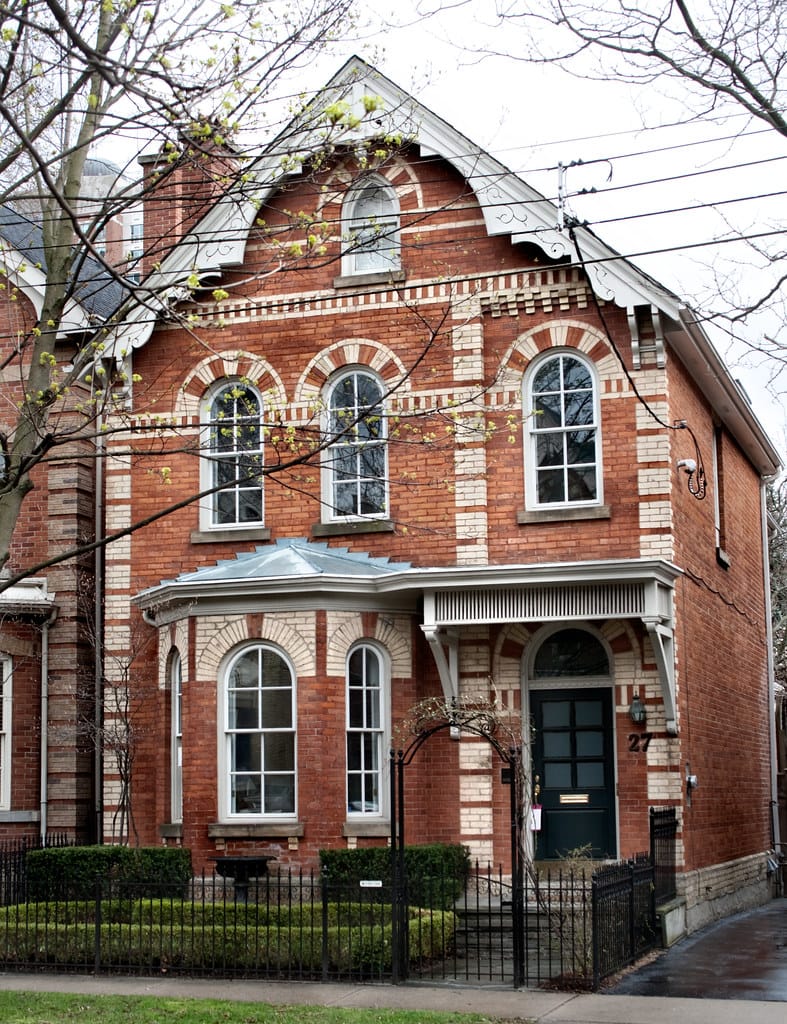
Older brick homes are a defining feature of many Memphis neighborhoods. Areas like Midtown, Central Gardens, East Memphis, and portions of Whitehaven and Raleigh are filled with solid masonry homes that were built to last. While these houses often feel sturdy and well constructed, inspections regularly reveal patterns tied to age, original building methods, and how these homes have been maintained or modified over time.
Brick construction offers durability, but it also comes with inspection considerations that are easy to overlook without local experience.
Brick Is Durable, but Mortar Ages
One of the most common misconceptions buyers have is that brick homes are maintenance-free. While the brick itself can last generations, the mortar that holds it together does not.
Inspectors frequently observe:
- Deteriorated or weathered mortar joints
- Previous spot repointing that doesn’t match original mortar
- Cracks in mortar without corresponding brick damage
- Moisture intrusion where mortar has degraded
These issues typically develop slowly and are often more noticeable on older homes that haven’t been repointed in decades.
Foundation Movement Shows Differently in Masonry Homes
Brick homes tend to show movement differently than wood-sided houses. Instead of flexible finishes hiding changes, masonry often reveals movement through cracking patterns.
Common findings include:
- Stair-step cracking in brick veneer
- Separation at window or door openings
- Cracks concentrated near corners or additions
- Older repairs that indicate past movement
In many Memphis brick homes, these patterns reflect long-term settlement rather than recent structural change, but the distinction matters.
Hidden Moisture Paths Behind Brick Veneer
Brick is not waterproof. Older brick homes often lack modern moisture management details that are standard today.
Inspectors regularly find:
- Missing or compromised weep systems
- Mortar joints that allow moisture penetration
- Interior signs of moisture related to exterior masonry
- Efflorescence indicating water movement through brick
Because moisture moves slowly through masonry, related damage may take years to become visible indoors.
Electrical and Plumbing Retrofits Behind Masonry Walls
Updating systems in brick homes often requires creative routing, which can lead to unusual configurations.
Inspectors commonly observe:
- Electrical wiring run through non-ideal paths
- Plumbing added without full system replacement
- Wall penetrations that were not properly sealed
- Limited access to updated components
These conditions are not uncommon, but they do require careful documentation and evaluation.
Additions That Don’t Match Original Construction
Many older brick homes in Memphis have additions added decades after the original structure was built. These additions often use different materials and construction methods.
Typical findings include:
- Differential movement between original structure and additions
- Cracking at transition points
- Rooflines and flashing that were improvised
- Foundation systems that don’t match
Understanding where original construction ends and additions begin helps explain many inspection findings.
Crawlspace Conditions Beneath Brick Homes
Most older brick homes in Memphis are built over crawlspaces, and those crawlspaces often reflect the age of the home.
Inspectors frequently note:
- Elevated moisture levels
- Older or missing vapor barriers
- Framing that shows early-stage deterioration
- Past attempts at moisture control with mixed results
These conditions influence both structural performance and indoor air quality.
Windows, Doors, and Original Openings
Original openings in brick homes were often built with different tolerances than modern construction.
Common observations include:
- Older wood windows with signs of moisture exposure
- Door frames affected by long-term settlement
- Lintels showing rust or deterioration
- Replacements that don’t fully integrate with masonry
These findings often reflect age and design rather than improper installation, but they still affect performance.
Why Brick Homes Require Local Inspection Experience
Older brick homes across Memphis share characteristics tied to soil behavior, humidity, and construction era. Inspectors familiar with these neighborhoods recognize which conditions are typical for aging masonry and which suggest more significant concerns.
That experience helps ensure inspection findings are balanced, accurate, and grounded in local context rather than assumption or overreaction.