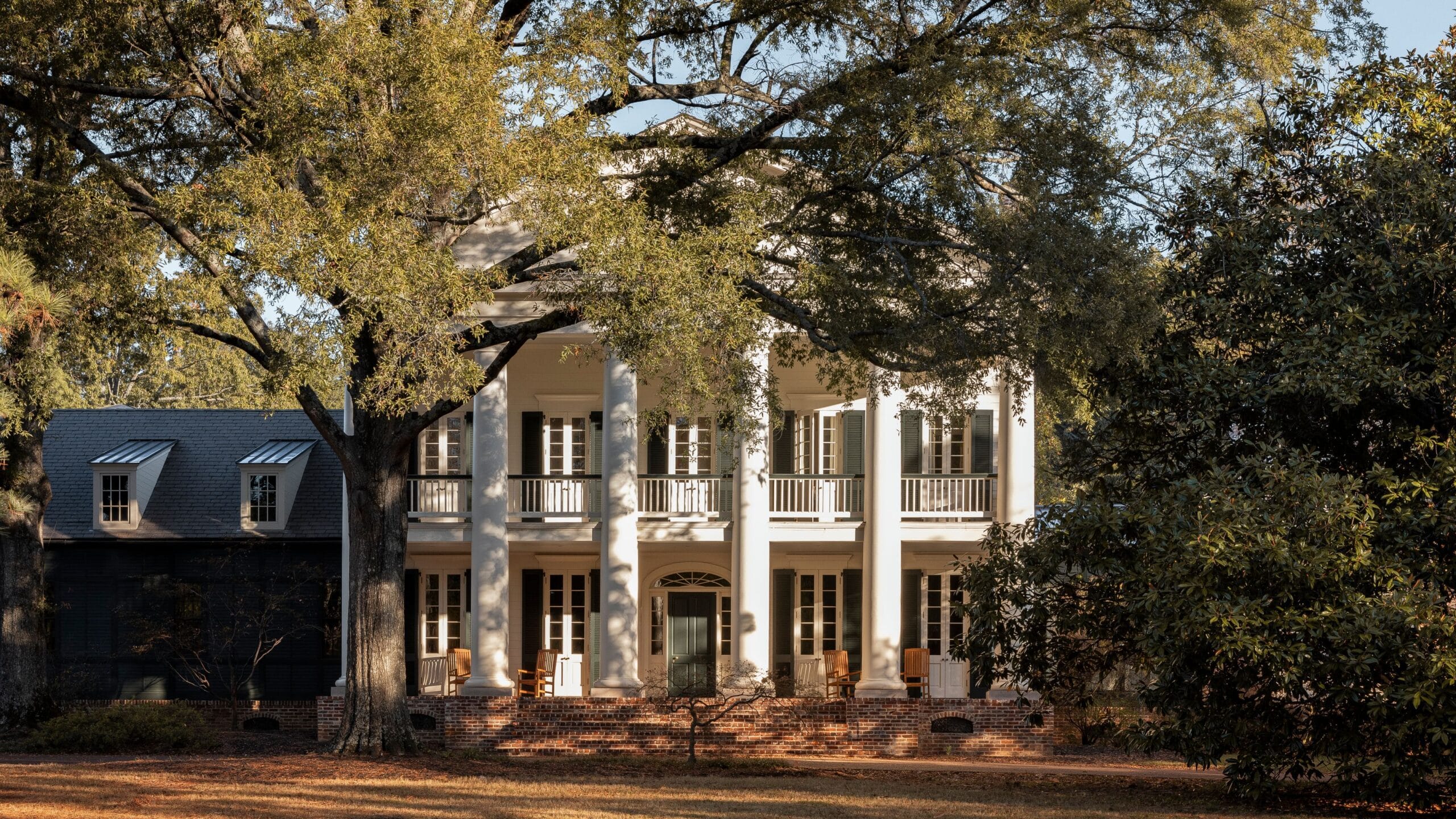
Memphis has one of the richest collections of older housing in the Mid-South. From Midtown bungalows and early brick homes to long-established neighborhoods in East Memphis, many properties were built decades ago—often with solid craftsmanship, but also with systems and materials that reflect the standards of their time.
After inspecting hundreds of older homes across Memphis and nearby communities like Bartlett, Germantown, Collierville, and Cordova, certain patterns show up again and again. These findings aren’t necessarily deal-breakers, but they are important for buyers to understand before moving forward.
Aging Electrical Systems and Incremental Updates
One of the most common findings in older Memphis homes is a mix of original electrical components and partial updates completed over many years.
It’s not unusual to see:
- Older panels that have been modified rather than replaced
- Evidence of multiple generations of wiring
- Outlets without grounding in portions of the home
- Added circuits that don’t match the original installation
While many of these homes remain functional, older electrical systems often need further evaluation or upgrades to meet modern safety expectations and usage demands.
Foundation Movement and Settlement Patterns
Older Memphis homes frequently show signs of long-term settlement, especially in crawlspace foundations. The local soil conditions and seasonal moisture changes contribute to gradual movement over time.
Common observations include:
- Minor foundation cracking
- Sloping or uneven floors
- Doors or windows that no longer align perfectly
- Added supports or shims in crawlspaces
In many cases, these conditions are stable and reflect the home’s age. The key is determining whether movement appears historical or ongoing.
Crawlspace Moisture and Ventilation Issues
Crawlspaces are a major inspection focus in older Memphis homes. Many were built before modern moisture control practices were common, and over time, conditions beneath the home can deteriorate.
Inspectors frequently encounter:
- Elevated moisture levels
- Deteriorated or missing vapor barriers
- Wood rot or fungal growth on framing
- Inadequate ventilation or drainage
These conditions can affect structural components, indoor air quality, and long-term maintenance costs if left unaddressed.
Plumbing Materials From Different Eras
Plumbing systems in older homes often reflect decades of repairs and upgrades. It’s common to see multiple pipe materials used throughout the house.
Examples include:
- Older galvanized or cast-iron piping
- Partial replacements with copper or modern materials
- Drain lines showing signs of age or corrosion
- Fixtures updated without full system replacement
Understanding which materials are present helps buyers plan for future repairs or upgrades rather than being caught off guard.
Roof Structures and Attic Modifications
Attics in older Memphis homes often tell a story of past repairs, additions, or system upgrades. Over time, roof structures may have been altered to accommodate HVAC systems, insulation upgrades, or storage.
Common findings include:
- Older framing methods no longer used in modern construction
- Added supports or bracing
- Signs of past roof leaks
- Insulation levels that don’t meet current standards
These conditions don’t automatically indicate a problem, but they do warrant careful evaluation.
Deferred Maintenance vs. Structural Defects
One of the most important distinctions in older homes is the difference between deferred maintenance and true structural concerns. Many issues stem from age and wear rather than failure.
Paint deterioration, aging windows, worn flooring, and outdated finishes are common and expected. Structural concerns are evaluated based on patterns, severity, and supporting evidence—not age alone.
Why Local Experience Matters in Older Homes
Inspecting older homes requires an understanding of how Memphis homes were built, how they’ve aged, and how local conditions affect them. Homes within an hour of Memphis often share similar characteristics, but subtle differences in construction era and neighborhood development matter.
Local experience helps inspectors recognize what’s typical for the area and what deserves closer attention.
Final Thoughts
Older homes in Memphis offer character, solid construction, and established neighborhoods—but they also come with unique inspection considerations. Understanding common findings allows buyers to move forward with realistic expectations and informed decisions.
A thorough inspection doesn’t just identify issues; it provides context. For older Memphis homes, that context is often the difference between unnecessary concern and confident ownership.