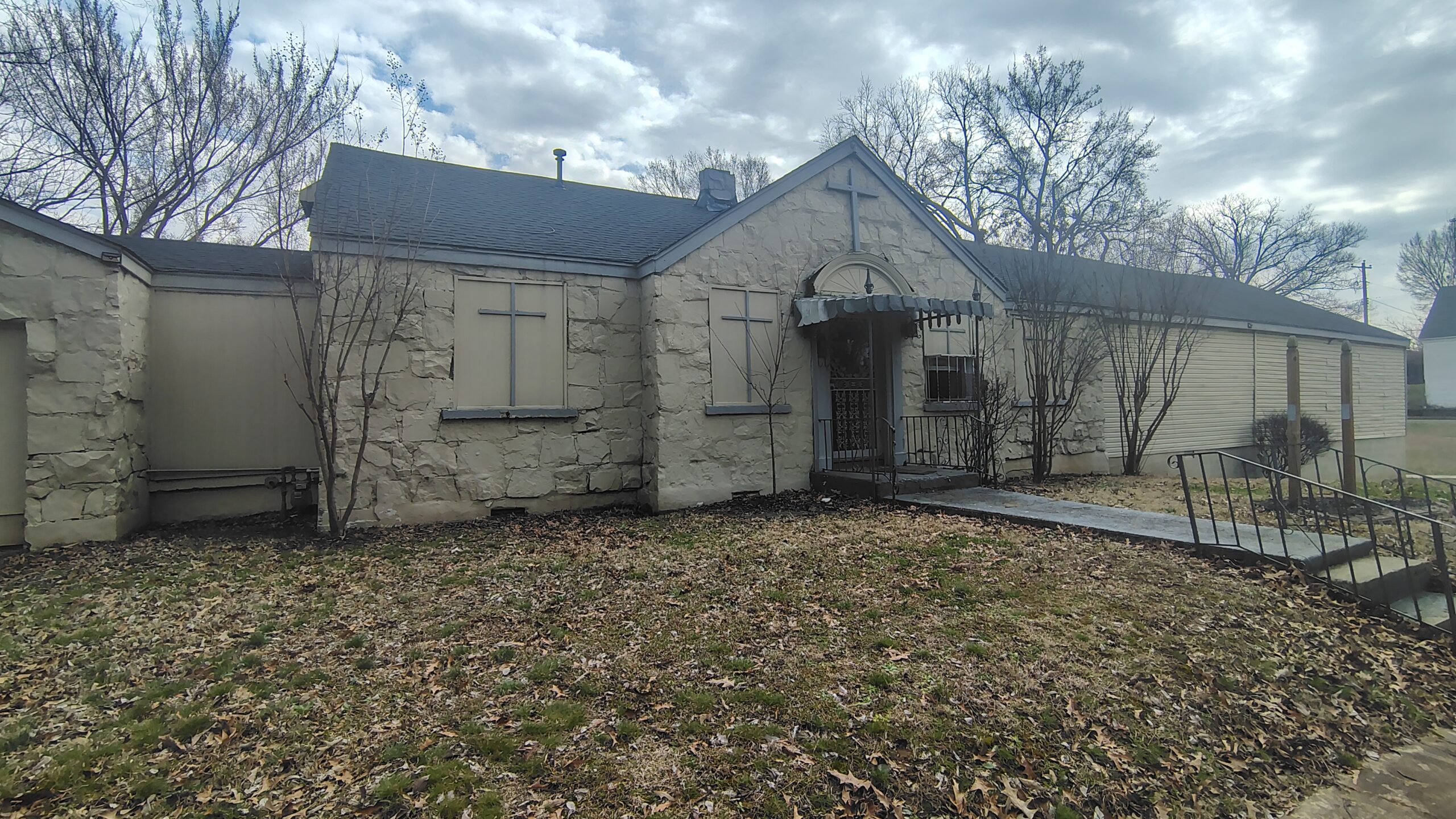
Churches and nonprofit facilities occupy a category all their own. They’re often large, heavily used, emotionally important spaces that were never designed to operate like modern commercial buildings—yet they’re expected to perform reliably, safely, and affordably for decades.
At Upchurch Inspection, inspections of churches and nonprofit facilities require a different kind of attention. These buildings tend to age in ways that don’t follow typical commercial patterns, and the risks that develop are shaped as much by mission and usage as by materials.
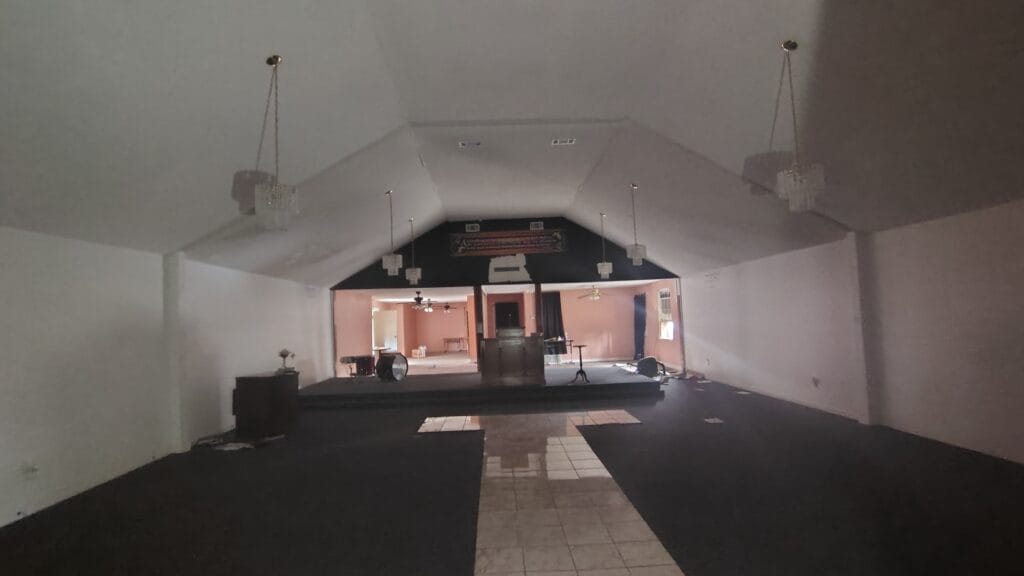
Many Church Buildings Were Never Designed for Their Current Use
A common misconception is that churches are underutilized because they aren’t occupied daily like offices or retail spaces. In reality, usage is uneven, not light.
Inspectors often see:
- Heavy weekend occupancy
- High seasonal demand
- Large gatherings in spaces not designed for modern loads
- Frequent community events layered onto older construction
Sanctuaries, fellowship halls, classrooms, and offices may all exist under one roof—but they stress the building in very different ways. Over time, systems are asked to do more than they were originally intended to handle.
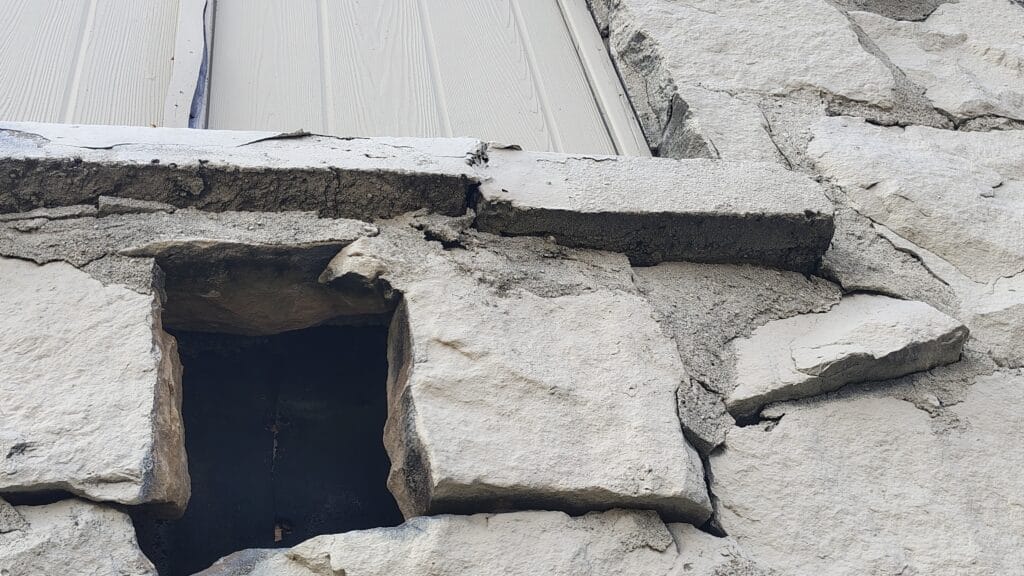
Deferred Maintenance Is Often a Financial Necessity, Not Neglect
Nonprofit organizations rarely defer maintenance because they don’t care. They defer it because budgets are constrained and priorities are mission-driven.
Inspectors approach these buildings with that understanding. The goal isn’t to criticize past decisions—it’s to understand how those decisions have accumulated physically.
Common patterns include:
- Original mechanical systems still in service
- Selective upgrades tied to donations or grants
- Temporary repairs made permanent
- Maintenance scheduled around events rather than system needs
These patterns don’t make a building unsafe by default. They do shape risk in ways buyers, boards, and lenders need to understand clearly.
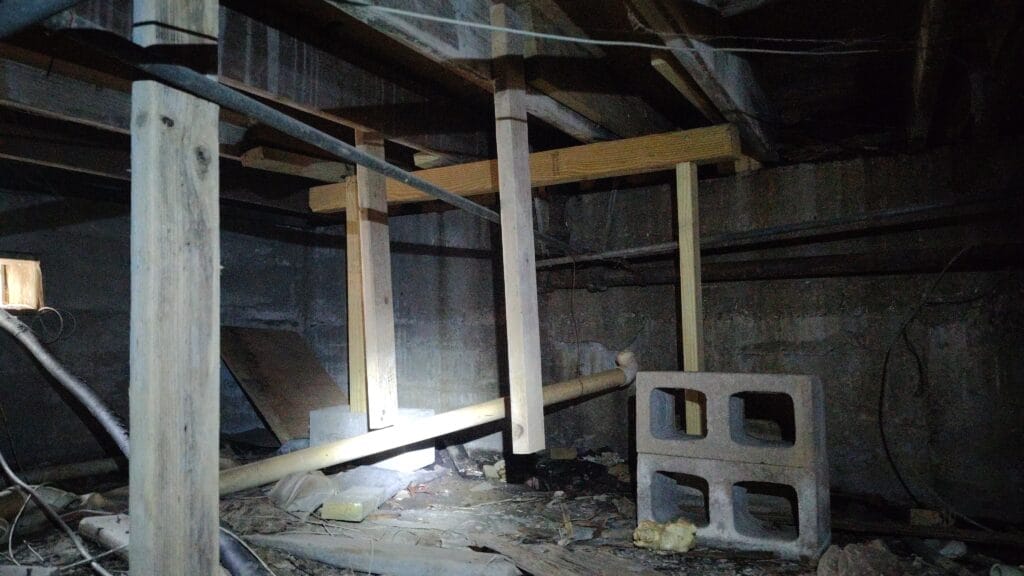
Structural Systems Often Carry Generational Stress
Many churches were built decades ago using construction methods that performed well under the original design assumptions. Over time, additions, renovations, and usage changes alter those assumptions.
Inspectors pay close attention to:
- Additions tied into original structures
- Roof systems spanning large open areas
- Truss and framing modifications
- Long-term settlement patterns
- Evidence of structural repairs that addressed symptoms rather than causes
Large open sanctuaries, in particular, can mask structural stress until it becomes significant.
Mechanical Systems Are Frequently Undersized for Modern Expectations
Comfort expectations have changed. Buildings that once tolerated wide temperature swings are now expected to feel comfortable year-round.
Inspectors evaluate:
- HVAC sizing relative to occupancy
- Zoning limitations in large spaces
- Control systems adapted beyond original design
- Access issues created by renovations
- Maintenance feasibility without disrupting services
A system that technically functions may still be inadequate for modern use—and that gap often drives future capital expenses.
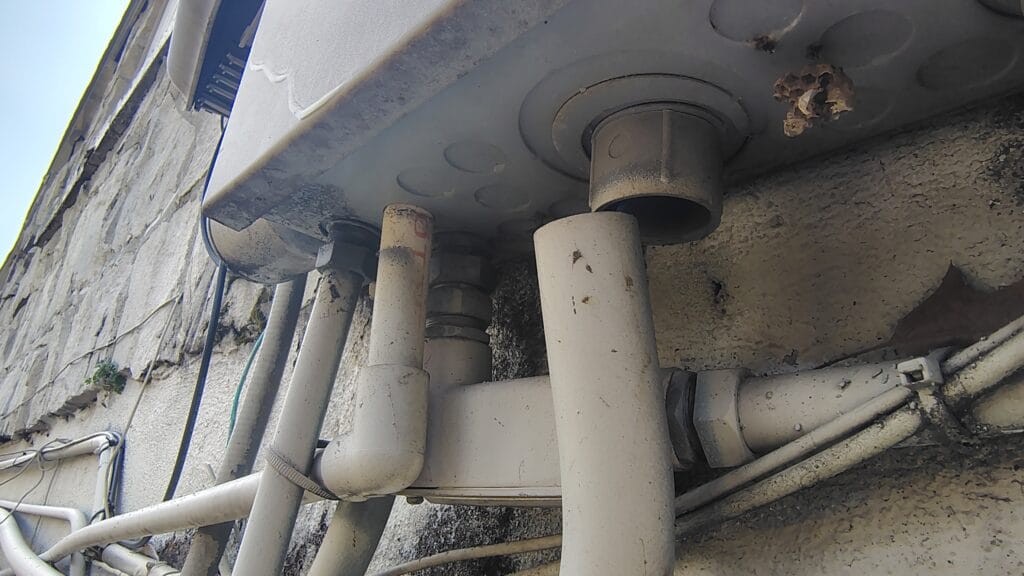
Electrical Systems Reveal Growth Without Planning
Churches and nonprofits tend to grow organically. New classrooms, offices, audio-visual equipment, and community programs are added as needs arise.
Inspectors look for:
- Electrical systems expanded incrementally
- Panels nearing capacity
- Inconsistent circuit labeling
- Temporary solutions that became permanent
- Load growth without service upgrades
These conditions often remain invisible until a renovation or equipment upgrade forces a reckoning.
Fire and Life-Safety Exposure Carries Moral Weight
Life-safety issues in churches and nonprofit facilities carry more than financial consequences. They involve responsibility for large groups of people—often children, seniors, or vulnerable populations.
Inspectors focus on:
- Egress clarity and consistency
- Fire separation integrity
- Alarm and detection coverage
- Emergency lighting performance
- Stair and corridor conditions
Deferred attention here is rarely intentional, but it becomes critical once identified.
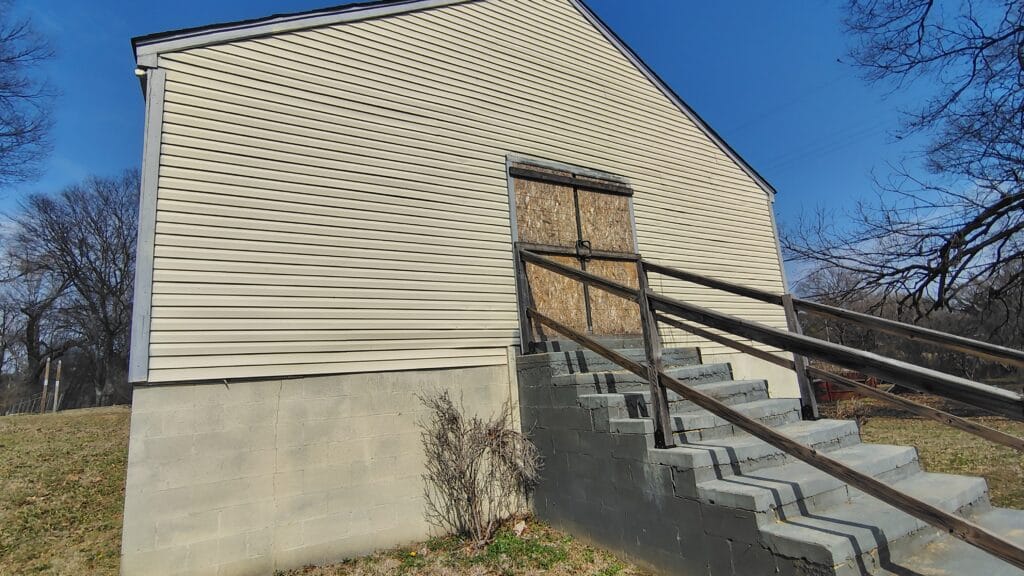
Accessibility Is Often the Most Complex Challenge
Many older nonprofit facilities were built long before modern accessibility expectations existed.
Inspectors evaluate:
- Practical accessibility limitations
- Retrofit feasibility
- Conflicts between structure and modern use
- Areas where accommodations have been improvised
Accessibility challenges don’t always have simple solutions, but understanding their scope is essential for boards and buyers planning long-term use.
Why These Inspections Require Careful Communication
Church and nonprofit inspections often involve boards, committees, lenders, and community stakeholders. Inspectors must communicate clearly without alarming or oversimplifying.
Findings are best understood as:
- Planning inputs
- Risk awareness tools
- Long-term stewardship guidance
These buildings are rarely disposable assets. They’re community anchors, and inspections need to respect that reality while still being honest.
The Practical Reality
Church and nonprofit facility inspections aren’t about perfection or blame. They’re about understanding how mission, age, and usage have shaped the building—and what that means going forward.
Inspectors who understand these properties don’t just list deficiencies. They help organizations see their facilities clearly, prioritize responsibly, and plan sustainably.
That clarity is what allows these buildings to continue serving their purpose—safely and intentionally—for years to come.