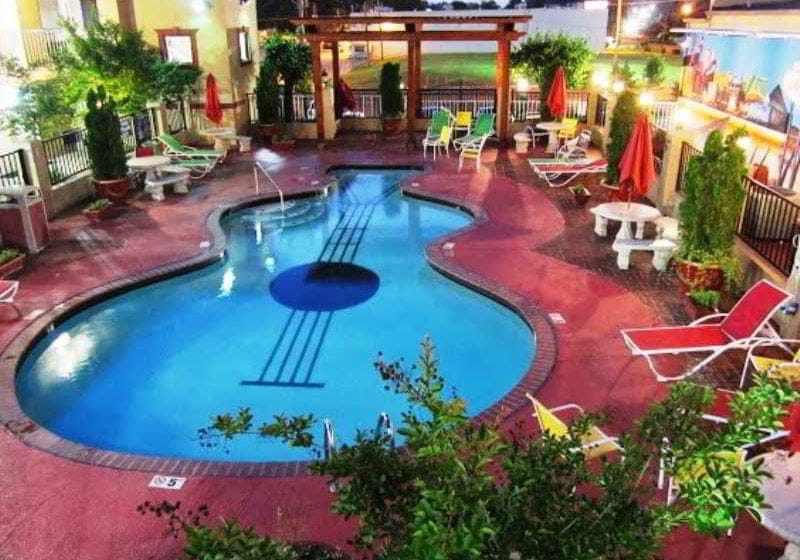
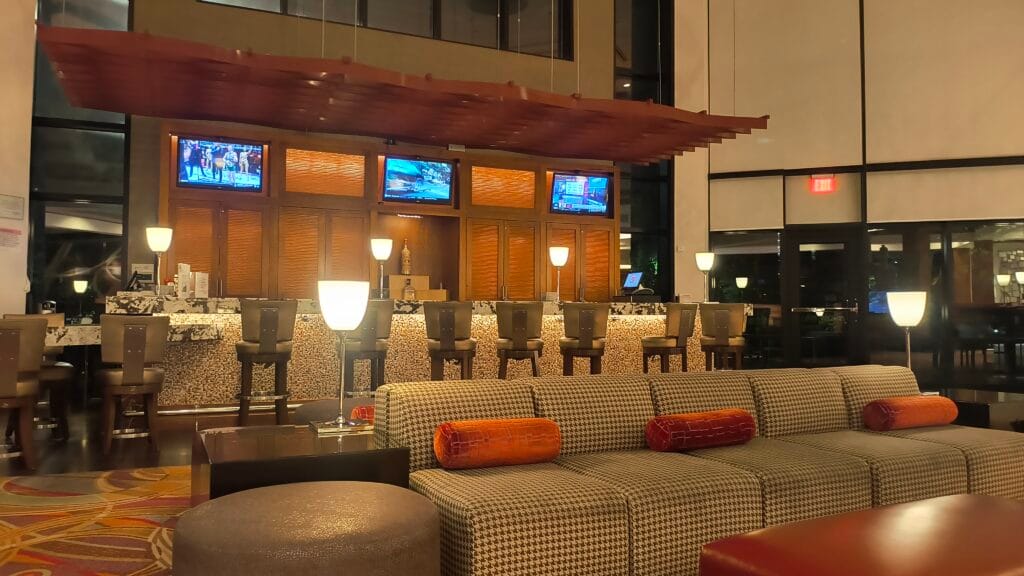
Hospitality properties tend to project confidence. Lobbies are clean, rooms are staged, lighting is warm, and finishes are chosen to feel inviting. For buyers, especially those new to hotels or short-term lodging properties, it’s easy to assume that visible upkeep reflects underlying condition.
In hospitality inspections, that assumption is often where trouble begins.
At Upchurch Inspection, hospitality properties are evaluated less by how they present to guests and more by how much strain the building has absorbed quietly to keep rooms online. Hotels, motels, and extended-stay properties are among the most maintenance-intensive commercial assets—and they leave very specific patterns behind.
Hospitality Buildings Are Designed to Be Used Constantly
Unlike offices or retail spaces, hospitality properties operate almost continuously. Rooms turn over daily. Systems cycle constantly. Plumbing, HVAC, electrical, and finishes are all used far more frequently than in most other commercial buildings.
That constant use doesn’t always cause dramatic failures. Instead, it accelerates wear in ways that feel manageable—until they aren’t.
Inspectors approach hospitality properties expecting:
- Components to be worn unevenly
- Repairs to be frequent but localized
- Systems to be operating near their limits
- Maintenance decisions to favor speed over longevity
None of that is a red flag by itself. It’s the pattern that matters.
Deferred Maintenance Shows Up Room by Room
One of the defining characteristics of hospitality properties is that deferred maintenance rarely appears all at once.
Inspectors often see:
- The same plumbing repair repeated across multiple rooms
- HVAC components replaced selectively instead of systemically
- Flooring or bathroom finishes updated without addressing subfloor or moisture issues
- Cosmetic refreshes layered over older infrastructure
Individually, these choices make operational sense. Collectively, they reveal whether ownership has been managing decline or planning for longevity.
Mechanical Systems Carry the Highest Hidden Risk
Hospitality mechanical systems work harder than almost any other commercial category.
Inspectors focus heavily on:
- HVAC runtime relative to age
- Evidence of short-cycling or uneven performance
- Improvised repairs in mechanical rooms
- Accessibility for service during occupancy
- Whether replacements have been phased or deferred entirely
A hotel can appear fully functional while its mechanical systems are quietly operating on borrowed time. When failures happen, they don’t affect one tenant—they affect dozens of guests at once.
Plumbing Issues Multiply Faster Than Buyers Expect
Hospitality plumbing systems are under constant demand. That stress reveals itself gradually.
Inspectors pay attention to:
- Repeated repairs at fixtures
- Evidence of past leaks between floors
- Drainage performance under peak use
- Water heater capacity and recovery
- Signs that fixes were made to minimize downtime rather than correct root causes
A single plumbing issue may feel manageable. The same issue repeated across room stacks changes the entire risk profile.
Moisture Is an Operational Threat, Not Just a Building Issue
Moisture problems in hospitality properties rarely present as dramatic water intrusion. They show up as musty odors, recurring surface repairs, or isolated complaints that get normalized.
Inspectors look for:
- Subtle moisture indicators behind finishes
- Ventilation limitations in bathrooms
- Evidence of past mold remediation without source correction
- Drainage issues that affect lower-level rooms
- Patterns of repair that suggest recurring exposure
Moisture doesn’t just damage materials—it damages reputation when guests notice.
Fire and Life-Safety Exposure Is Cumulative
Hotels and similar properties carry significant life-safety responsibility.
Inspectors evaluate:
- Fire separation between rooms
- Penetrations through rated assemblies
- Stairwell and corridor integrity
- Alarm and detection system consistency
- Emergency lighting and egress clarity
Deferred maintenance in these areas often stems from repeated room renovations that didn’t fully restore life-safety components afterward.
Hospitality Deferred Maintenance Often Hides in “Normal Operations”
One of the reasons hospitality deferred maintenance goes unnoticed is that staff adapt.
Rooms are rotated. Problem rooms are taken offline. Repairs are scheduled around occupancy. Over time, the building functions by avoiding its own weak points.
Inspectors recognize these adaptations as signals—not solutions.
A property that requires constant operational workarounds is telling buyers something important about its underlying condition.
Why Hospitality Buyers Get Surprised After Closing
Buyers often underestimate how quickly deferred maintenance in hospitality properties turns into capital expenditure.
What felt like routine upkeep during acquisition can become:
- Widespread mechanical replacement
- Plumbing reconfiguration
- Drainage correction
- Structural moisture remediation
- Life-safety upgrades triggered by inspections or incidents
Hospitality inspections aim to surface those trajectories before they become unavoidable.
The Practical Reality
Hospitality property inspections aren’t about whether rooms look good today. They’re about whether the building can continue to perform under constant use without escalating cost and disruption.
Deferred maintenance in these properties doesn’t shout. It accumulates quietly, one room at a time, one decision at a time.
Inspectors who understand hospitality buildings don’t just document conditions. They interpret how operational pressure has shaped the property—and what that means for the next owner stepping in.