Most home buyers assume inspectors are independent.
They expect that when an inspector points out a problem, it’s because the condition genuinely matters — not because of internal pressure, incentives, or consequences tied to what gets reported.
That assumption is reasonable.
And it’s worth protecting.
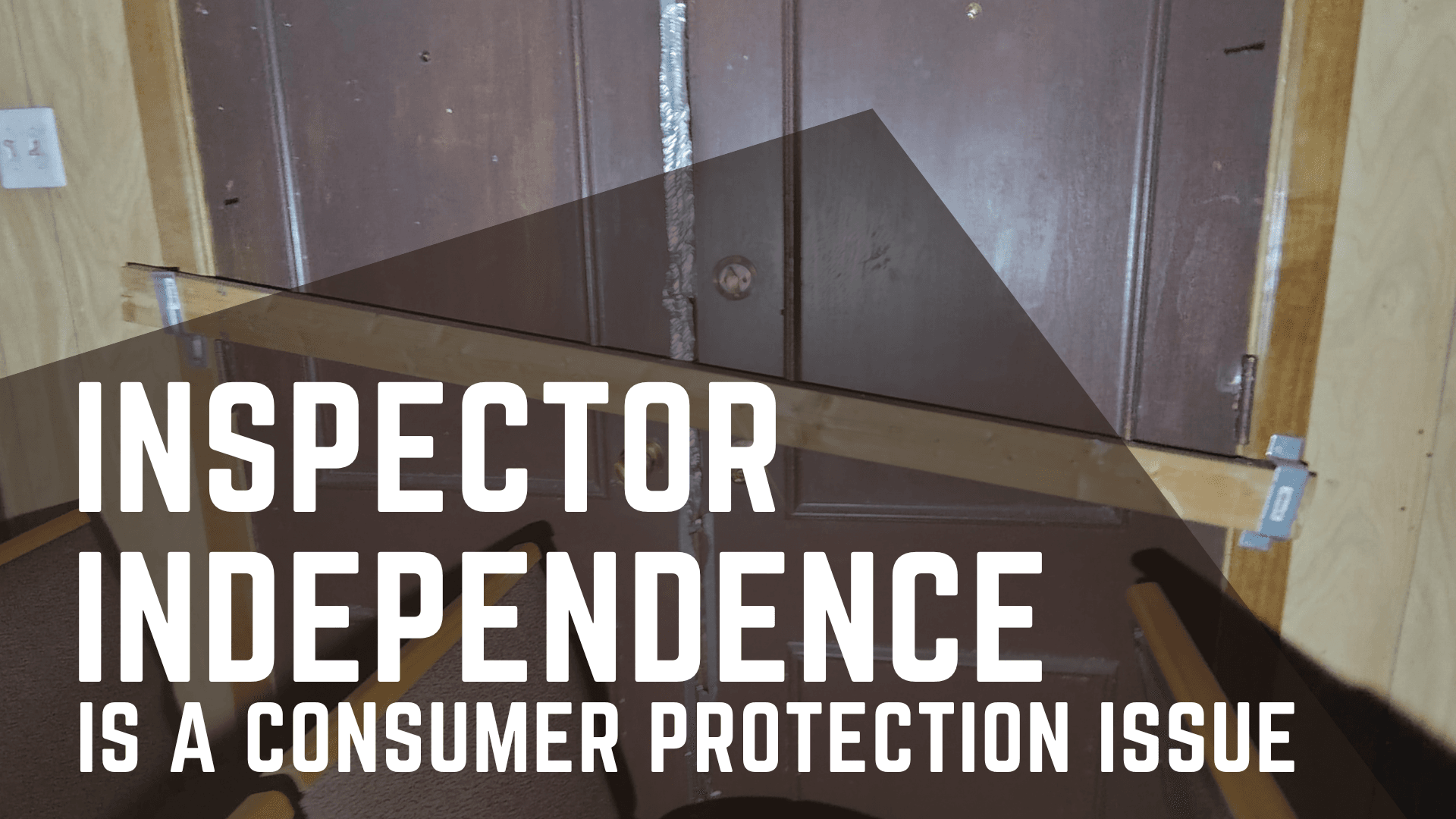
At Upchurch Inspection, we believe inspector independence isn’t just an internal business preference — it’s a consumer protection issue.
Independence Shapes Judgment
Inspectors make judgment calls constantly.
They decide:
- whether a condition warrants further evaluation
- how urgently it should be addressed
- how clearly it should be explained
- and how much context a client needs
Those decisions work best when inspectors are free to apply professional judgment without worrying about internal repercussions.
When independence erodes, judgment is the first thing affected.
Pressure Doesn’t Always Look Like Pressure
Most people imagine pressure as someone explicitly telling an inspector what to say or not say.
In reality, it’s often subtler.
Pressure can come from:
- fear of losing future work
- penalties tied to complaints or reviews
- compensation structures that change after the inspection
- policies that punish deviation rather than encourage judgment
Even when no one says a word, those systems influence behavior.
That’s not good for inspectors — and it’s not good for clients.
Why This Matters to Buyers and Sellers
Clients rely on inspectors to provide a clear-eyed assessment of a home’s condition.
If inspectors feel constrained, they may:
- soften language unnecessarily
- avoid recommending further evaluation
- downplay issues that could create friction
That doesn’t mean inspections become dishonest — but they can become less complete.
Independence allows inspectors to report what they see fully and explain it honestly, even when findings are inconvenient.
Standards and Independence Can Coexist
Inspector independence doesn’t mean a lack of standards.
Professional inspections still require:
- adherence to Standards of Practice
- consistent reporting frameworks
- accountability for quality and professionalism
The difference is how those standards are enforced.
We believe standards should guide inspections — not intimidate inspectors.
Long-Term Trust Depends on It
Trust in the inspection process is built over time.
When clients feel reports are candid, balanced, and clearly explained, confidence in the profession grows.
When inspections start to feel constrained or scripted, trust erodes quietly — often without anyone realizing why.
Inspector independence protects that trust.
How We Approach This at Upchurch Inspection
Our internal structure is designed to support independence by ensuring that:
- inspectors are not penalized for honest findings
- compensation is predictable and tied to completed work
- judgment is respected within professional standards
- communication is encouraged, not discouraged
That approach benefits everyone involved — especially clients.
Final Thought
A home inspection is one of the few moments in a real estate transaction where someone is expected to speak plainly, without advocacy for either side.
That role only works when inspectors are independent in practice — not just in name.
Protecting inspector independence is ultimately about protecting consumers.