
Falling in love with a home is easy; understanding its hidden flaws is the hard part. A home inspection is your crucial window into the property’s true condition, separating cosmetic quirks from costly catastrophes. While a fixer-upper can be a dream, some issues are more than just a project. They’re certified home inspection deal breakers that can drain your finances and compromise your family’s safety. When a professional inspection uncovers severe, insurmountable issues, the ‘real cost’ can escalate significantly.
This guide is designed to prevent that outcome by empowering you with the knowledge to make an informed decision. We will dive deep into the most critical red flags that can appear on an inspection report, from foundational cracks to hidden mold. We’re moving past the obvious to provide you with a comprehensive checklist of serious problems that often signal it’s time to walk away or renegotiate aggressively.
For each potential deal breaker, you will learn:
- Key Warning Signs: What to look for before, during, and after the inspection.
- Typical Repair Costs: Realistic estimates to help you budget for potential fixes.
- Negotiation Strategies: Clear options for handling repairs, asking for credits, or deciding to cancel the contract.
- Expert Advice: When to call in a specialist for a more detailed evaluation.
We’ll provide actionable insights and specific advice tailored for Tennessee homeowners, addressing common local concerns like humidity, termites, and radon. This list will help you turn a stressful process into a smart, confident investment decision, ensuring the home you buy is a sanctuary, not a financial sinkhole.
1. Structural Damage and Foundation Issues
Of all potential home inspection deal breakers, issues with the foundation and structural integrity are arguably the most serious. The foundation is the literal base upon which the entire house rests; when it fails, the effects can ripple through every part of the structure, from the floors to the roofline. These problems are not just cosmetic; they compromise the safety, stability, and long-term value of the property.
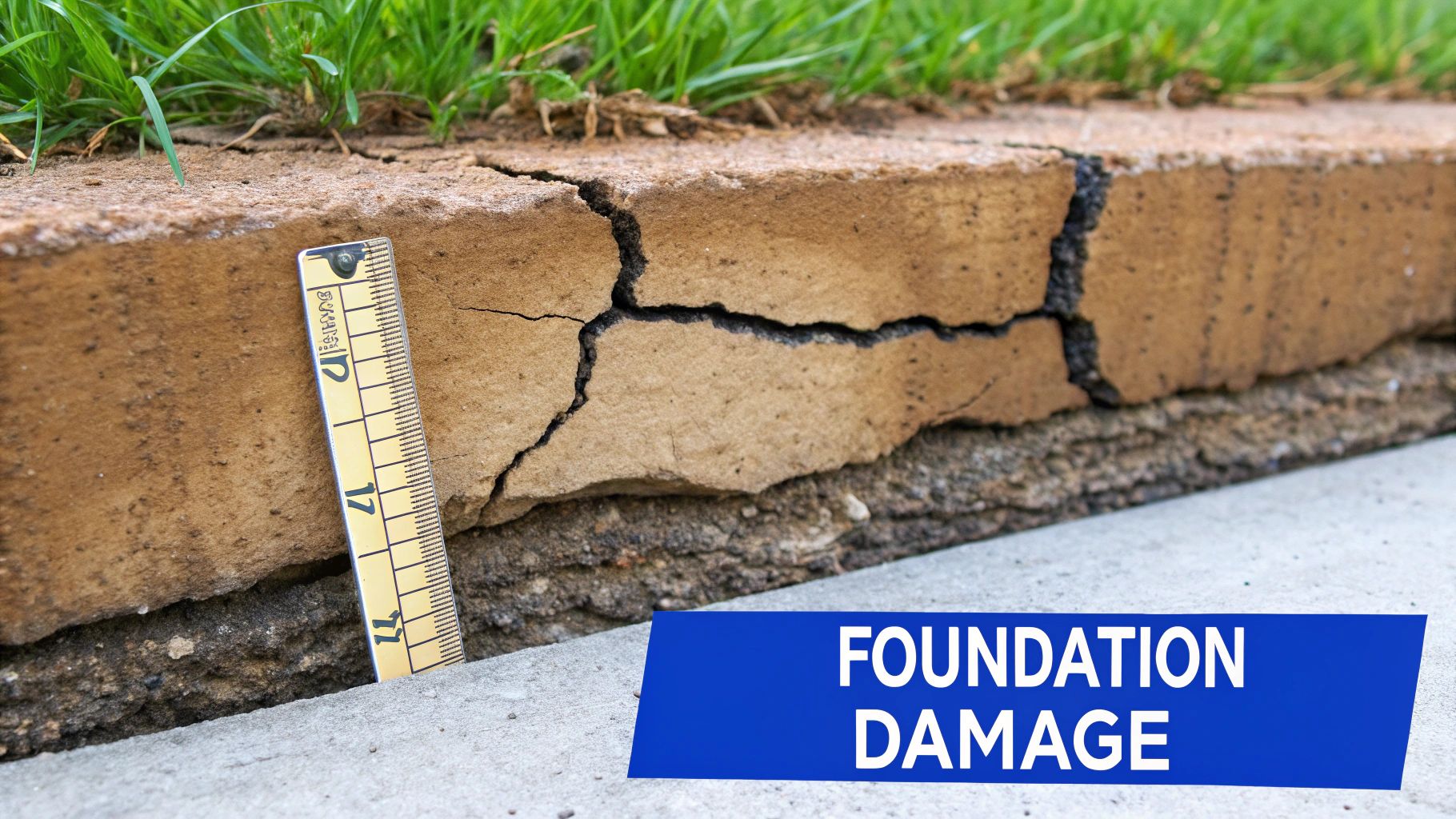
Problems can manifest as large, deep cracks in concrete slabs or basement walls, bowing or leaning walls, and significant water intrusion. In West Tennessee, the prevalent clay soil expands when wet and shrinks when dry, putting immense pressure on foundations and leading to settling or heaving. Ignoring these red flags can lead to catastrophic failure and astronomical repair costs, often ranging from $25,000 to well over $100,000 for extensive stabilization work.
Action Plan for Foundation Concerns
If your home inspector identifies potential structural issues, it’s time for a focused and strategic response. This is not a “wait and see” situation.
- Document Everything: Take clear photos and measurements of any visible cracks, bowing, or signs of movement. This documentation is crucial for expert analysis and negotiation.
- Engage a Specialist: A standard home inspection identifies potential issues, but a structural engineer provides the definitive diagnosis. Hiring one for a comprehensive assessment ($500-$1,500) will give you a clear understanding of the problem’s severity and the necessary remediation steps.
- Negotiate Wisely: Armed with an engineer’s report and repair estimates, you have several options. You can ask the seller to complete the repairs before closing, negotiate a significant price reduction, or request a seller credit to cover the future costs.
Given the complexity and high stakes, it’s vital to be fully informed. You can explore a deeper analysis of these issues by reading more about the types and signs of foundation problems. Ultimately, severe structural damage is a valid reason to walk away from a deal if a satisfactory resolution cannot be reached.
2. Roof Damage and Structural Deterioration
The roof is a home’s primary defense against the elements, and any significant compromise can quickly cascade into more severe problems. A failing roof is one of the most common and costly home inspection deal breakers, as it directly impacts the home’s ability to keep water out. Issues like missing shingles, soft spots indicating rot, active leaks, or improper installation aren’t just cosmetic; they are direct threats to the home’s structural integrity.
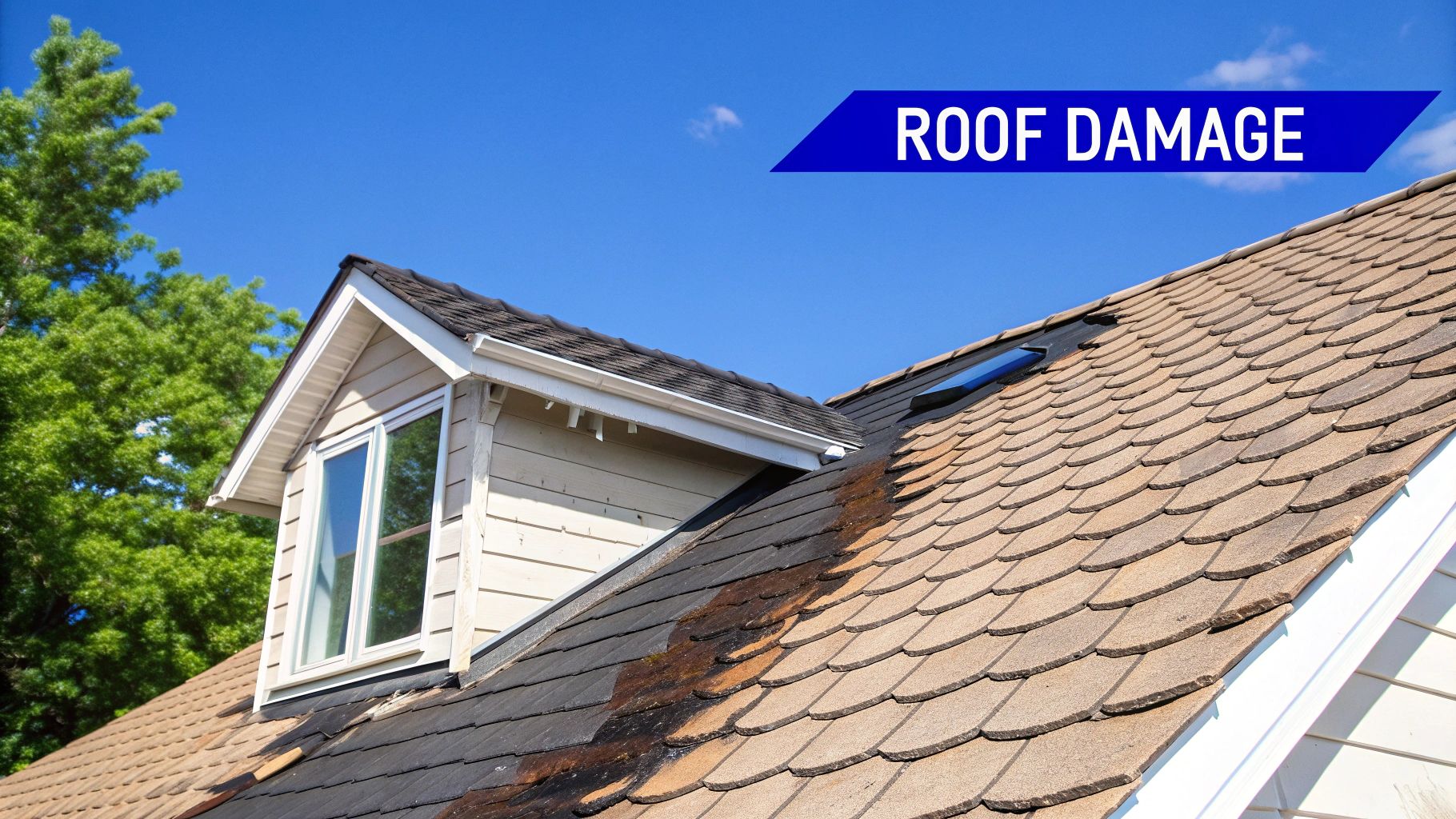
In West Tennessee, roofs endure intense sun, heavy rains, and high humidity, which can accelerate the deterioration of materials like asphalt shingles. Water infiltration from a damaged roof can lead to attic mold, saturated insulation, and rotted framing, turning a single problem into multiple expensive repairs. A full roof replacement is a major expense, typically costing between $8,000 and $25,000 or more, and most mortgage lenders will not approve a loan for a home with a roof that has a compromised or limited remaining lifespan.
Action Plan for Roof Concerns
If your home inspector flags significant roof issues, immediate and decisive action is necessary to protect your investment. A damaged roof is a ticking clock that only gets more expensive to fix over time.
- Document the Damage: Ensure the inspector provides clear photos of all problem areas, including close-ups of damaged shingles, flashing, and any signs of leaks in the attic. This visual evidence is critical for negotiations.
- Engage a Specialist: While a home inspector can identify defects, a licensed roofing contractor can provide a detailed assessment of the roof’s condition and a precise estimate for repairs or replacement. This expert opinion strengthens your negotiating position.
- Negotiate Wisely: Armed with professional estimates, you can request that the seller replaces the roof before closing, negotiate a price reduction equivalent to the replacement cost, or ask for a seller credit. A credit is often preferred, as it allows you to control the quality of the new roof installation.
Understanding the full scope of potential issues is essential. You can gain more insight by reading about common roofing issues unveiled by home inspectors. Given the high cost and critical function of the roof, walking away is a reasonable choice if you cannot reach a fair agreement with the seller.
3. Electrical System Hazards
While less visually dramatic than a crumbling foundation, faulty electrical systems are one of the most critical home inspection deal breakers due to their direct link to fire and electrocution risks. These hidden dangers often go unnoticed by the average buyer but can render a home unsafe and uninsurable. Issues like outdated wiring, recalled breaker panels, and improper modifications pose a silent but significant threat to your family’s safety and the property itself.
Major red flags include Federal Pacific Electric (FPE) and Zinsco panels, notorious for failing to trip during an overload, which can lead to house fires. Other serious problems are antiquated knob-and-tube wiring, ungrounded outlets, and aluminum branch circuit wiring common in homes built in the 1960s and 70s. In Tennessee, older homes may have insufficient service (60-100 amps) for modern electrical demands, requiring a complete service upgrade. The cost to replace a hazardous panel and rewire a portion of a home can easily range from $8,000 to $20,000 or more, making this a major financial consideration.
Action Plan for Electrical Concerns
Discovering significant electrical issues requires a swift and methodical approach. Do not underestimate these findings, as they directly impact the safety and functionality of the home.
- Identify and Document: Note the brand and type of the electrical panel. Take clear pictures of any visible issues like double-tapped breakers, scorch marks, or frayed wiring. Confirm the absence of GFCI protection in kitchens and bathrooms.
- Consult a Licensed Electrician: A home inspector flags potential issues, but a licensed electrician can perform a detailed evaluation ($150-$300) to determine the exact scope and cost of necessary repairs. They can provide a definitive assessment on whether specific residential electrical panels and breakers need immediate replacement.
- Strategize Negotiations: With a professional’s report and quote in hand, you can confidently negotiate. Options include demanding the seller complete and permit all required electrical upgrades before closing, asking for a seller credit to cover the full cost of the work, or reducing the purchase price accordingly.
Electrical safety is non-negotiable. For a more detailed breakdown of issues inspectors often find, you can get more information by reading about common electrical problems found during home inspections. If the seller is unwilling to address serious hazards like a recalled panel or unsafe wiring, walking away is often the most prudent decision.
4. Plumbing System Failures and Water Damage
Often hidden behind walls and under floors, a home’s plumbing system is its circulatory system. When it fails, the consequences can be catastrophic, leading to extensive water damage, hazardous mold growth, and even structural decay. Issues like corroded pipes, active leaks, or systemic material failure are significant red flags that can turn a dream home into a financial nightmare, making them one of the most critical home inspection deal breakers.
Common culprits include aging galvanized pipes that restrict water flow, notoriously brittle polybutylene pipes (used from 1978-1995) that can fail without warning, and corroded cast iron drain lines in older homes that collapse and cause sewage backups. The cost to remediate water damage and replace a home’s plumbing can easily range from $5,000 to well over $50,000, not including the secondary costs of mold remediation or repairing damaged walls and floors.
Action Plan for Plumbing Concerns
If your inspector uncovers signs of systemic plumbing problems or active water damage, you must act decisively to understand the full scope of the issue.
- Document Pipe Materials: Take clear photos of any visible pipes in the basement, crawlspace, or under sinks. Identifying materials like galvanized steel, polybutylene, or corroded cast iron is key. Also, test the water pressure, which should ideally be between 40-80 PSI.
- Engage a Specialist: For serious concerns, hire a licensed plumber for a video scope inspection of the main drain lines ($200-$400). This camera inspection provides an inside look at the condition of sewer pipes, revealing cracks, blockages, or collapses that are otherwise invisible.
- Negotiate Wisely: Armed with a plumber’s report and detailed repair estimates, you can make an informed decision. You could ask the seller to perform a full re-pipe before closing, negotiate a price reduction that covers the replacement cost, or request a seller credit.
Because of the potential for hidden damage, it’s crucial to know what you’re getting into. You can learn more about identifying these issues by reading our guide on common plumbing problems found during inspections. A complete plumbing system failure is a valid reason to walk away if the seller is unwilling to address the immense cost and complexity of the necessary repairs.
5. HVAC System Failure and Inadequate Capacity
A home’s heating, ventilation, and air conditioning (HVAC) system is the heart of its comfort and livability, especially during West Tennessee’s humid summers and chilly winters. A failing or improperly sized HVAC system isn’t just an inconvenience; it represents a major, imminent expense and can be a significant home inspection deal breaker. These systems are complex, expensive, and essential for maintaining a healthy indoor environment.
Critical issues range from a completely non-functional furnace or air conditioner to a system that is simply too old (15-20+ years) and inefficient to be reliable. Other red flags include leaking refrigerant, a worn-out compressor, or an undersized unit that constantly struggles to cool an expanded living space. Replacing a full HVAC system is one of the most costly non-structural repairs a homeowner can face, typically running from $5,000 to over $12,000, making it a crucial point of negotiation.
Action Plan for HVAC Concerns
If the home inspection report highlights significant HVAC deficiencies, you need to act decisively to protect your investment and future comfort. This is a common but serious issue that requires a specialist’s opinion.
- Request Service Records: Ask the seller for all maintenance and service records for the HVAC system. A history of regular, professional tune-ups is a positive sign, while a lack of records can indicate neglect.
- Hire an HVAC Specialist: A general home inspector can identify operational problems, but a licensed HVAC contractor can perform a more detailed evaluation. For a fee ($100-$300), they can assess the remaining lifespan, check for refrigerant leaks, and provide precise quotes for repairs or full replacement.
- Negotiate from a Position of Strength: With a specialist’s report and firm quotes in hand, you can confidently negotiate. Options include asking the seller to replace the unit before closing, securing a substantial price reduction, or negotiating a seller credit that covers the full replacement cost.
Given the high cost and importance of this system, an aging or failing HVAC unit is a perfectly valid reason to reconsider a purchase if a fair agreement cannot be reached. To understand more about what inspectors look for, see our guide on what’s included in a comprehensive home inspection.
6. Mold, Moisture, and Indoor Air Quality Issues
Discovering significant mold or chronic moisture is more than just an aesthetic problem; it’s a potential health hazard and one of the most serious home inspection deal breakers. Mold growth is a direct symptom of an underlying moisture issue, which could stem from plumbing leaks, a faulty roof, poor drainage, or inadequate ventilation. The presence of mold can trigger allergies, asthma attacks, and other respiratory problems, while the moisture itself can cause rot and structural deterioration over time.
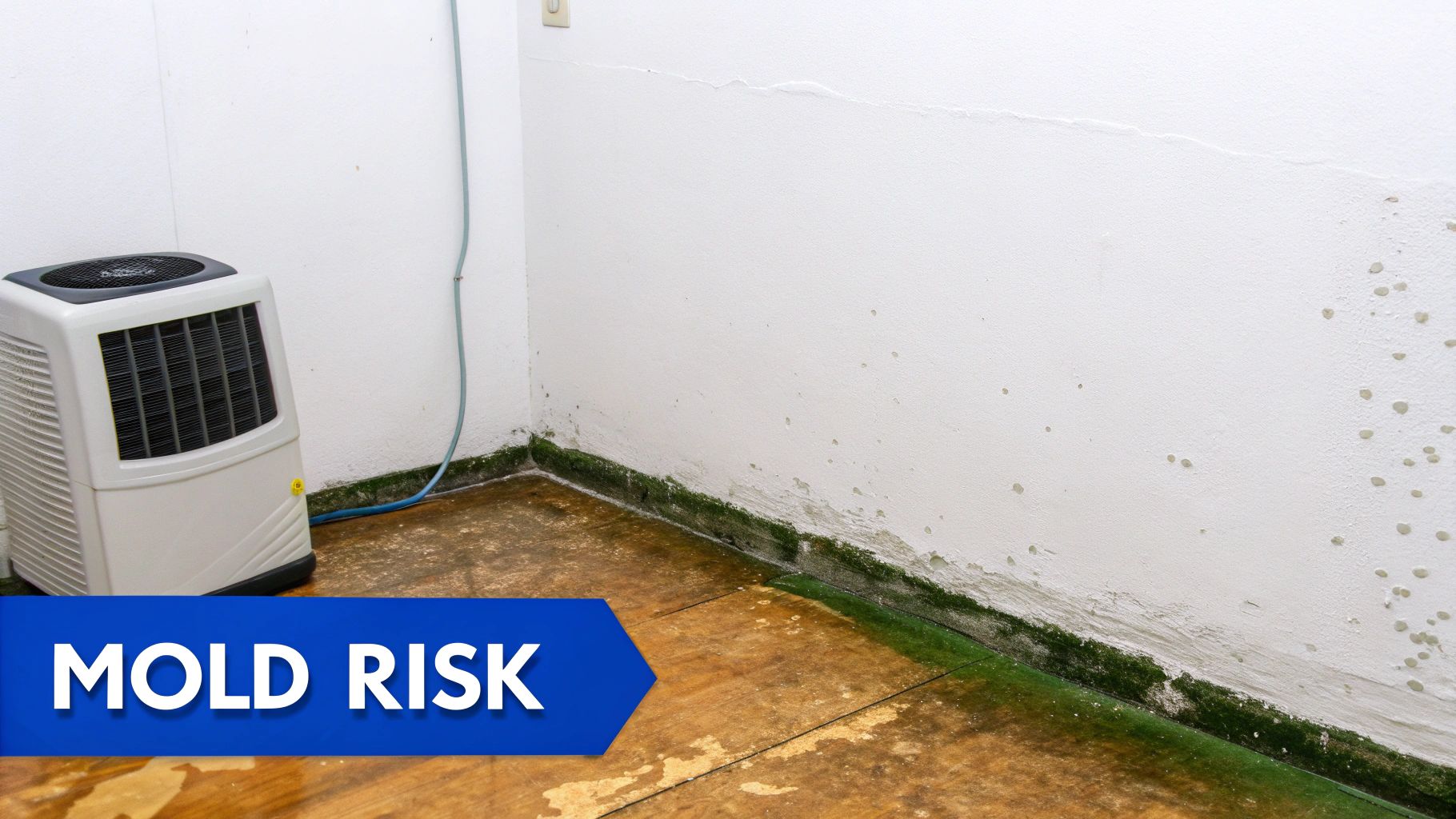
In West Tennessee, our high humidity creates an ideal breeding ground for mold, particularly in poorly ventilated attics, damp basements, and humid crawl spaces. Remediation for a small, contained area might cost between $500 and $5,000, but widespread contamination that requires extensive demolition and rebuilding can easily skyrocket to $10,000 or even $50,000. These figures don’t even account for the cost of fixing the original source of the moisture.
Action Plan for Mold and Moisture Concerns
If your home inspector notes evidence of mold or high moisture levels, you must address it head-on to protect both your health and your investment.
- Document and Investigate: Note all visible signs of mold, water staining, or musty odors. A standard inspection will flag these, but a dedicated mold assessment may be necessary.
- Engage a Specialist: A certified mold inspector can perform air quality tests and take surface samples for lab analysis ($300-$500) to identify the type and concentration of mold spores. They use specialized tools like moisture meters and thermal imaging cameras to pinpoint the source of the water intrusion, which is critical for a permanent solution.
- Negotiate from a Position of Strength: With a professional remediation quote and a plan to fix the source, you can negotiate effectively. Ask the seller to complete the full remediation and repair work with a certified company before closing, or request a substantial seller credit to cover the costs yourself.
Because of the serious health implications and the potential for hidden damage, many buyers choose to walk away if a seller is unwilling to properly address extensive mold issues. For more information on identifying these risks, see our guide on when to get a mold inspection in West Tennessee.
7. Asbestos, Lead Paint, and Hazardous Materials
The presence of hazardous materials is a significant red flag that can turn a dream home into a health nightmare. Older homes, particularly those built before 1980, often contain materials like asbestos and lead-based paint, which were once common in construction. When disturbed during renovations or through natural deterioration, these substances release dangerous fibers or dust, posing serious health risks, especially to children and pregnant women. These discoveries are often considered major home inspection deal breakers due to the health implications and the high cost of professional abatement.
Asbestos can be found in insulation, vinyl flooring, “popcorn” ceilings, and pipe wrap. Lead paint is common on walls, trim, and exteriors of homes built before 1978. In Tennessee, radon, an invisible and odorless radioactive gas, can also be a concern, seeping into homes from the soil. The cost for professional remediation is substantial; asbestos abatement can range from $5,000 to $30,000 or more, and lead paint removal often costs between $8,000 and $15,000, depending on the home’s size and the extent of the problem.
Action Plan for Hazardous Materials
If your home inspector suspects the presence of these materials, a cautious and immediate response is required to protect your health and financial interests.
- Do Not Disturb: Instruct everyone, including yourself and other inspectors, to avoid touching or disturbing any suspected materials to prevent releasing harmful particles into the air.
- Hire Certified Specialists: A standard inspection identifies potential risks, but you need certified experts for confirmation. Hire an EPA-certified firm for lead and asbestos testing ($300-$800 per test) and a qualified professional for radon testing ($150-$250).
- Negotiate Remediation: With a professional assessment and quotes for abatement, you have strong leverage. You can require the seller to have the materials professionally removed and certified as clear before closing. Alternatively, you can negotiate a significant price reduction or a seller credit to cover the full cost of the future remediation yourself.
Given the severe health risks and high costs, the discovery of hazardous materials is a critical issue. For more information, you can review the EPA’s guidelines on protecting your family from common household hazards. If a seller is unwilling to properly address the problem, walking away is often the smartest and safest decision.
8. Poor Grading, Drainage, and Basement/Crawl Space Issues
Water is a home’s number one enemy, and improper grading and drainage essentially roll out the welcome mat for it. When the landscape around a house slopes inward, it directs every drop of rain straight toward the foundation, leading to basement flooding, crawl space moisture, mold growth, and eventual structural compromise. These issues are insidious, often starting small but escalating into some of the most destructive and expensive problems a homeowner can face.
Common red flags include soil piled up against the siding, standing water near the foundation after rain, clogged gutters, and downspouts that dump water right next to the house. In West Tennessee, heavy spring rains can quickly overwhelm inadequate drainage systems, turning a damp crawl space into a breeding ground for mold and wood-destroying fungi. Correcting these problems can range from relatively simple re-grading ($2,000-$5,000) to installing complex French drains or exterior waterproofing systems, which can easily cost $8,000 to $20,000 or more.
Action Plan for Water Management Concerns
If your inspector flags grading or drainage as a significant concern, you must address it proactively to prevent it from becoming a major home inspection deal breaker. Water damage doesn’t fix itself; it only gets worse.
- Observe and Document: During a rainy day, if possible, visit the property to see where water flows and pools. Take photos of any standing water, overflowing gutters, or water stains in the basement or crawl space.
- Consult a Drainage Specialist: While a home inspector identifies the problem, a landscape contractor or drainage specialist can design the solution. An assessment ($300-$500) will provide a detailed plan and a firm estimate for remediation.
- Negotiate a Permanent Fix: This is not a situation for a simple price reduction that might not cover the full cost. Request that the seller complete the necessary repairs using a qualified contractor before closing, or negotiate a substantial seller credit based on professional estimates.
Poor drainage is the root cause of many other serious issues, including foundation failure and mold infestations. If the seller is unwilling to properly address significant water intrusion problems, it is often a wise decision to walk away and find a property on higher, drier ground.
8-Point Home Inspection Deal-Breakers Comparison
| Issue | Implementation complexity | Resource requirements | Expected outcomes | Ideal use cases | Key advantages |
|---|---|---|---|---|---|
| Structural Damage and Foundation Issues | Very high — structural engineering, permits, specialized contractors | Very high ($25,000–$100,000+); foundation contractors, waterproofing, monitoring | Restored structural integrity or required contingency; may greatly improve resale if fixed | Visible cracks, settling, bowing walls, uneven floors, water intrusion | Prevents catastrophic failure; protects long‑term value |
| Roof Damage and Structural Deterioration | High — roofing and possible structural repairs | High ($8,000–$25,000+); licensed roofers, materials, possible structural carpentry | Stops leaks, prevents interior/mold damage, meets lender requirements | Missing/curled shingles, leaks, sagging deck, old roof nearing end‑of‑life | Protects interior from water damage; extends roof life |
| Electrical System Hazards | Moderate–High — licensed electrician, panel replacement or rewire | Medium–High ($2,000–$15,000+); permits, qualified electricians, parts | Code‑compliant, reduced fire/electrocution risk, improved insurability | Outdated panels (FPE/Zinsco), aluminum wiring, ungrounded/reversed outlets | Major safety improvement; increases marketability and insurance acceptance |
| Plumbing System Failures and Water Damage | Moderate–High — targeted repairs to full replumbing | Medium–High ($5,000–$50,000+); plumbers, video scope, possible remediation contractors | Restored water flow, reduced leak and mold risk, long‑term reliability | Active leaks, polybutylene/galvanized pipes, sewage backup, low pressure | Prevents water damage/mold; improves system reliability |
| HVAC System Failure and Inadequate Capacity | Moderate — replacement/resize, ductwork and possible electrical upgrades | Medium ($5,000–$12,000+); HVAC contractors, possible electrical work | Improved comfort, efficiency, air quality; reduced failure risk | Non‑functional units, equipment >15–20 years, undersized or noisy systems | Energy savings, better comfort and resale appeal |
| Mold, Moisture, and Indoor Air Quality Issues | Moderate — remediation plus source correction | Low–High ($500–$50,000+); testing, certified remediators, moisture control | Improved indoor air quality and health; reduced recurrence if sources fixed | Visible mold, musty odors, high humidity, recurring water intrusion | Protects occupant health; prevents further structural/mold damage |
| Asbestos, Lead Paint, and Hazardous Materials | High — certified testing and abatement, legal compliance | Medium–High ($400–$20,000+); certified inspectors/abatement crews, lab tests | Reduced health and legal liability; regulatory compliance or encapsulation | Pre‑1980 homes, suspected ACMs, pre‑1978 painted surfaces, radon zones | Mitigates serious health risks and legal exposure |
| Poor Grading, Drainage, and Basement/Crawl Space Issues | Moderate–High — grading, drainage installation, sump systems | Medium ($2,000–$20,000+); landscapers, drainage/sump contractors, excavation | Reduced flooding risk, protected foundation, lower mold potential | Water pooling near foundation, flooded basements, negative grading | Protects foundation and prevents recurring water damage |
Making Your Final Decision with Confidence
Navigating the results of a home inspection report can feel like the most stressful part of the buying process. After the excitement of finding a property you love, a long list of defects can be disheartening. However, the purpose of this article has been to empower you, not to discourage you. Understanding the most common and critical home inspection deal breakers is the first step toward making a sound, confident, and financially prudent decision.
The journey from “potential issue” to “deal breaker” is rarely a straight line. It’s a complex calculation involving your budget, risk tolerance, and the seller’s willingness to negotiate. A leaky faucet is an inconvenience; a cracked foundation is a fundamental threat to your investment. The key is distinguishing between manageable repairs and catastrophic failures.
From Red Flags to a Clear Path Forward
Let’s distill the core lessons from the major issues we’ve covered, from structural defects to environmental hazards. Each finding falls into one of three categories, and your next steps depend entirely on which box it checks:
- The Fixable Flaws: Many problems, like a failing water heater or isolated plumbing leaks, are negotiable. These are typically resolved with a seller credit or a pre-closing repair. They require attention but don’t necessarily compromise the entire deal.
- The Major Projects: Issues like a full roof replacement, significant electrical rewiring, or extensive mold remediation represent a substantial investment of time and money. These aren’t just repairs; they are major projects that demand specialist consultations and firm negotiations. Your decision here hinges on whether the final cost and effort align with the home’s value and your long-term plans.
- The True Deal Breakers: Severe foundation damage, widespread termite destruction, or evidence of major, undisclosed water intrusion often fall into this category. These problems can have cascading effects, are prohibitively expensive to fix, and may even be uninsurable. These are the red flags that signal it’s often wisest to walk away.
Key Takeaway: A home inspection report is not a simple pass-or-fail test. It’s a detailed roadmap of your potential future investment, complete with necessary repairs, potential risks, and negotiation opportunities. Your job is to use that map to decide if the destination is truly worth the journey.
Your West Tennessee Advantage: Local Expertise
In areas like Memphis, Bartlett, and Collierville, local conditions add another layer of complexity. The high humidity in West Tennessee makes properties more susceptible to mold and moisture issues, while our expansive clay soil can contribute to foundation movement. An experienced local inspector understands these region-specific challenges and knows precisely where to look for subtle signs of trouble.
Ultimately, identifying potential home inspection deal breakers is about protecting your financial future and ensuring your family’s safety. By arming yourself with knowledge, you transform anxiety into action. You can confidently approach the negotiation table, consult with specialists, and make a final call that you won’t regret. The right home is out there, and a thorough, professional inspection is the most powerful tool you have to find it.
Don’t navigate the complexities of a property inspection alone. The experts at Upchurch Inspection provide the detailed, actionable insights you need to understand the true condition of your potential home, helping you confidently identify and negotiate any home inspection deal breakers. Schedule your comprehensive Memphis-area inspection today by visiting Upchurch Inspection and turn uncertainty into clarity.