Selling your home is one of the biggest financial decisions you’ll make. The final sale price often hinges on a single event: the buyer’s home inspection. Surprises discovered during this phase can derail negotiations, force last-minute price reductions, or even kill the deal entirely. A proactive approach is your greatest asset. By conducting your own assessment before you list, you transform potential deal-breakers into negotiation leverage, putting you in control of the timeline and repair costs.
This comprehensive home inspection checklist for sellers is specifically designed for homeowners in the Memphis and West Tennessee markets, empowering you to identify and address critical issues on your own terms. We will move beyond generic advice and provide a prioritized, actionable roadmap. This guide covers everything from the roof and attic to the foundation and HVAC system, helping you prepare for a professional inspector’s scrutiny. Our goal is to equip you with the knowledge to secure the best possible offer with confidence and eliminate the stress of the unknown.
By strategically tackling potential problems now, you not only protect your home’s value but also smooth the path to a faster, more profitable closing. Of course, addressing inspection findings is just one part of the equation; presenting your home optimally is also key to its market appeal. For more on this, discover 8 essential home staging tips for sellers to truly maximize your sale price. Let’s get your home market-ready.
1. Roof and Attic Inspection
The roof is your home’s first line of defense against the elements, making its condition a primary concern for potential buyers and their inspectors. A thorough roof and attic inspection is a non-negotiable first step in any pre-listing home inspection checklist for sellers . This evaluation covers everything from the structural integrity and shingle condition to flashing, gutters, and the state of your attic.
Given that a full roof replacement is one of the most expensive home repairs, addressing any issues proactively can prevent major hurdles during sales negotiations. In Memphis and West Tennessee, where heavy rains and high humidity are common, a compromised roof can quickly lead to significant interior water damage and mold, which are major red flags for buyers.
Why It’s a Top Priority
A roof in poor condition can derail a sale or lead to significant price reductions. Buyers often view an old or damaged roof not just as a future expense but as an immediate risk. By inspecting it early, you gain control of the narrative. You can either make necessary repairs on your own timeline and budget or accurately price the home to reflect the roof’s condition, avoiding last-minute surprises.
Pro-Tip: Knowing the exact age and condition of your roof provides a powerful negotiating tool. If your roof is relatively new and in excellent shape, highlight this as a key selling point.
Actionable Steps for Inspection
Follow these steps to ensure your roof and attic are ready for scrutiny:
- Initial Visual Check: From the ground, look for obvious signs of damage like missing, cracked, or curling shingles. Check for dark streaks, which can indicate algae or moss growth, a common issue in our humid climate.
- Professional Assessment: Hire a certified roofing inspector or a trusted local roofer. They have the expertise and safety equipment to perform a detailed on-roof inspection, checking for soft spots, damaged flashing around chimneys and vents, and deteriorating seals.
- Attic Evaluation: In the attic, look for signs of water intrusion like stained wood, damp insulation, or daylight visible through the roof deck. Also, ensure there is adequate ventilation (soffit and ridge vents), as poor airflow can shorten a roof’s lifespan and contribute to moisture issues.
A West Tennessee seller recently discovered their 15-year-old architectural shingle roof was nearing the end of its life. Instead of waiting for a buyer’s inspector to flag it, they obtained a quote for $9,500 and had it replaced. They were then able to market the home with a “brand new roof,” a feature that attracted multiple offers and ultimately secured a higher sale price.
2. Foundation and Structural Integrity
The foundation is the literal bedrock of your home, and its condition is a deal-breaker for nearly every buyer. A thorough evaluation of the foundation and overall structural soundness is a critical component of any pre-listing home inspection checklist for sellers. This inspection looks for cracks, signs of settling, water intrusion, and other issues that could compromise the home’s stability.

Foundation problems are among the most feared and costly home repairs, often signaling deeper issues to potential buyers. In West Tennessee, expansive clay soils can cause foundations to shift and settle over time, making this a particularly sensitive point for local inspectors. Addressing these concerns proactively is essential to maintain your home’s value and prevent a sale from collapsing.
Why It’s a Top Priority
A compromised foundation can immediately stop a real estate transaction. Buyers perceive foundation issues as a massive financial and safety risk. By commissioning an inspection before you list, you can understand the scope of any problems, get repair estimates, and decide how to proceed. This prevents buyers from using a dire inspection report to demand huge price concessions or walk away entirely.
Pro-Tip: Distinguishing between cosmetic settlement cracks and significant structural issues is key. A structural engineer can provide a definitive report, which can reassure buyers if problems are minor or provide a clear repair plan if they are not.
Actionable Steps for Inspection
Follow these steps to assess your foundation and structural integrity:
- Walk the Perimeter: Examine the exterior foundation walls for any cracks, especially horizontal or “stair-step” cracks in brickwork. Look for separation around windows and door frames or a chimney pulling away from the house.
- Inspect the Interior: Check basement or crawl space walls for cracks, water stains, efflorescence (a white, chalky powder), or bowing. Look for uneven floors, doors that stick, or cracks in drywall over doorways, which can indicate settling.
- Hire a Specialist: For a comprehensive assessment, hire a licensed structural engineer or a reputable foundation repair company. They can differentiate between normal settling and serious structural problems, providing a detailed report and a plan of action if repairs are needed.
A seller in the Memphis area noticed several interior doors were sticking and found a few hairline cracks in their slab foundation. Instead of ignoring it, they paid for a structural engineer’s report, which confirmed the issues were due to normal, minor settlement and not a structural threat. They provided this report to buyers, preemptively neutralizing a major concern and leading to a smooth, confident sale.
3. HVAC System Evaluation
Your home’s heating, ventilation, and air conditioning (HVAC) system is the heart of its comfort, and a major focal point for any buyer’s home inspection. A comprehensive evaluation of this system is a crucial part of your home inspection checklist for sellers. This assessment scrutinizes the furnace, air conditioner, ductwork, and thermostat to ensure everything is functioning efficiently and reliably.
Given the significant expense of a full HVAC replacement, any sign of neglect or failure can become a serious obstacle in negotiations. In Memphis and West Tennessee, where scorching summers and chilly winters demand a dependable system, buyers are particularly wary of aging or poorly maintained units. Addressing these concerns upfront can protect your home’s value and streamline the sale.
Why It’s a Top Priority
A malfunctioning or old HVAC system is a major red flag that can scare off potential buyers or lead to requests for substantial price concessions or repair credits. By proactively servicing and evaluating your system, you demonstrate responsible homeownership and eliminate a common source of buyer anxiety. This allows you to either fix issues on your own terms or price the home accordingly, preventing last-minute surprises from derailing the closing process.
Pro-Tip: Keep detailed service records. Presenting a folder with receipts for regular tune-ups and filter changes provides tangible proof of maintenance and builds buyer confidence.
Actionable Steps for Inspection
Follow these steps to ensure your HVAC system is ready for a buyer’s inspection:
- Schedule a Professional Tune-Up: Hire a licensed HVAC technician to perform a comprehensive service on both your heating and cooling systems. This not only ensures they are clean and operating at peak efficiency but also provides a professional report to share with buyers.
- Test Both Functions: Regardless of the season, make sure to test both the air conditioning and the furnace. An inspector will check both, and discovering one doesn’t work during the inspection is a costly mistake.
- Replace Filters and Clean Vents: Change all air filters, a simple and inexpensive task that improves air quality and system performance. Also, clean any visible dust and debris from around vents and the outdoor condenser unit. If your HVAC system evaluation reveals that both your furnace and air conditioner are old or failing, it’s essential to understand the combined cost to replace both your furnace and air conditioner.
One Collierville seller with a 16-year-old system spent $250 on a pre-listing tune-up and certification from a reputable HVAC company. The technician confirmed the unit was in good working order despite its age. This documentation successfully countered the buyer’s initial request for a $7,000 credit, saving the seller thousands.
4. Electrical System and Panel Inspection
The electrical system is the nerve center of your home, and any deficiencies are treated as serious safety hazards by buyers, inspectors, and lenders. A thorough check of the electrical panel, wiring, outlets, and safety features is a crucial part of any home inspection checklist for sellers. Issues ranging from an outdated panel to missing GFCI protection can create significant obstacles during a real estate transaction.
In many older Memphis homes, electrical systems may not meet modern standards, making them a common point of contention. Proactively addressing these concerns demonstrates a commitment to safety and maintenance, reassuring potential buyers and preventing the discovery of a deal-breaking problem during the official inspection.
Why It’s a Top Priority
Faulty wiring is a leading cause of residential fires, so inspectors scrutinize electrical systems with extreme care. An undersized panel (e.g., 100-amp in a large, modern home), ungrounded outlets, or unsafe wiring can not only trigger repair requests but may also cause a lender to deny financing. By getting ahead of these issues, you protect the safety of your home and the viability of your sale.
Pro-Tip: Document the capacity of your electrical panel (e.g., 150-amp, 200-amp) and any recent upgrades. Highlighting a modern, robust electrical system is a major selling point for today’s tech-reliant buyers.
Actionable Steps for Inspection
Follow these steps to evaluate and prepare your electrical system for sale:
- Hire a Licensed Electrician: While a home inspector will flag problems, a licensed electrician can perform a deeper diagnostic evaluation and make necessary repairs to code. This is especially important for known issues or older homes.
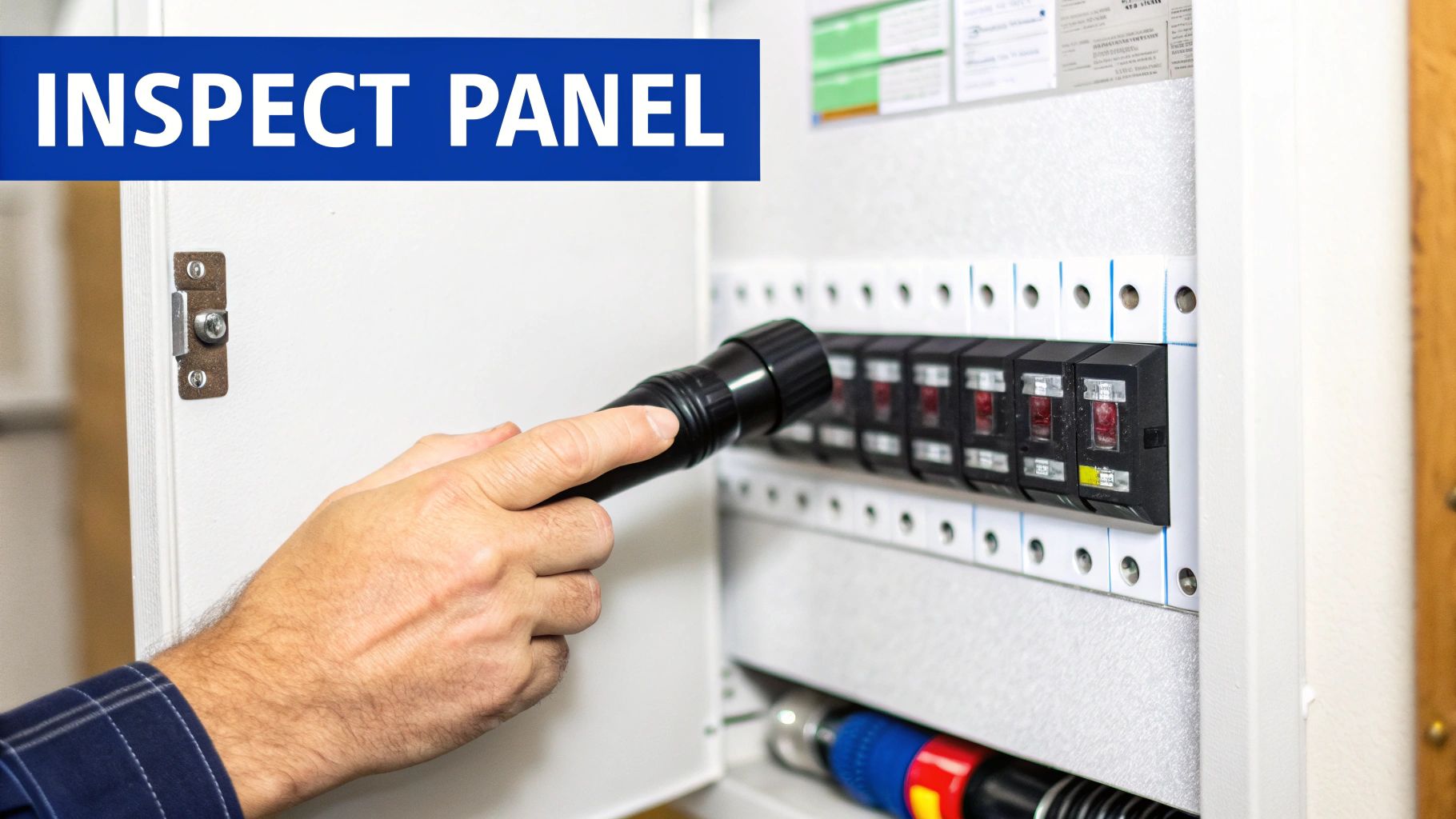
- Check Outlets and Switches: Test every outlet and light switch in the house. Replace any that are non-functional, cracked, or loose. Ensure proper GFCI (Ground Fault Circuit Interrupter) outlets are installed in all kitchens, bathrooms, garages, and outdoor areas.
- Evaluate the Electrical Panel: Open the panel cover (or have your electrician do it) to check for signs of scorching, rust, or incorrectly sized breakers. Learn more about understanding your home’s electrical panel to better prepare. Ensure all breakers are clearly labeled.
A seller in Germantown, TN, was advised that their home’s lack of GFCI outlets in the bathrooms would be flagged. They spent less than $100 to have them installed before listing. This small, proactive repair prevented a buyer from using it as a negotiation point, saving them potential hassle and a price reduction.
5. Plumbing System Assessment
From dripping faucets to hidden leaks, plumbing problems are a significant source of anxiety for homebuyers and a common point of contention during negotiations. A comprehensive plumbing system assessment is a critical part of any home inspection checklist for sellers, covering the water supply lines, drainage systems, fixtures, water heater, and main sewer connection.
Given that even minor plumbing issues can escalate into major water damage, mold, and structural problems, addressing them upfront is essential. In West Tennessee, where high humidity can exacerbate moisture issues, a seemingly small leak can quickly become a deal-breaker. Proactively ensuring your plumbing is sound protects your home’s value and provides buyers with crucial peace of mind.
Why It’s a Top Priority
Plumbing defects, whether a slow drain or a failing water heater, directly impact a home’s livability and can lead to expensive, emergency repairs. Buyers and their inspectors will scrutinize every faucet and drain. Uncovering issues before listing allows you to manage repairs cost-effectively, rather than being forced into costly, rushed fixes or offering large concessions to a nervous buyer.
Pro-Tip: Clearly document the age and service history of your water heater. A newer unit is a strong selling point, and having the paperwork ready demonstrates diligent home maintenance.
Actionable Steps for Inspection
Follow these steps to get a clear picture of your plumbing system’s health:
- Comprehensive Fixture Test: Systematically test every faucet, showerhead, and toilet in the house. Look for leaks around the bases, check for adequate water pressure, and ensure all drains flow freely without gurgling or backing up.
- Professional Plumbing Evaluation: Hire a licensed plumber to perform a thorough inspection. They can check for hidden leaks in walls or under sinks, assess the condition of supply lines (especially in older homes), and evaluate the remaining lifespan of your water heater.
- Sewer Line Scope (for older homes): If your home is over 40 years old, strongly consider a sewer scope inspection. This involves sending a camera down the main sewer line to check for cracks, blockages, or tree root intrusion, which are common and costly issues in the established neighborhoods of Memphis.
A seller in Germantown recently discovered a slow leak from a supply line behind their washing machine. A plumber fixed the corroded pipe and repaired the minor drywall damage for under $500. This pre-emptive repair prevented a buyer’s inspector from flagging a “major leak,” which could have jeopardized the entire sale.
6. Interior Walls, Ceilings, and Drywall Inspection
The condition of your interior walls and ceilings tells a story about the home’s history and overall maintenance. For buyers, signs of water stains, cracks, or damage are immediate red flags that often point to more significant underlying issues. A meticulous check of these surfaces is a critical part of any home inspection checklist for sellers, as it directly impacts a buyer’s first impression and perceived value of the property.
In West Tennessee, where humidity can exacerbate moisture problems, a small stain on the ceiling can hint at a roof leak, a plumbing issue, or inadequate attic ventilation. Addressing these cosmetic and structural flaws before listing demonstrates a commitment to care and prevents buyers from assuming the worst-case scenario.
Why It’s a Top Priority
Flawless walls and ceilings create a clean, move-in-ready feel that appeals to all buyers. Conversely, issues like water damage, prominent cracks, or peeling paint can make a home feel neglected and old. These visible defects can lead buyers to question the integrity of hidden systems like plumbing and roofing, potentially resulting in lower offers or demands for extensive repairs after their own inspection.
Pro-Tip: A fresh coat of neutral-colored paint is one of the highest ROI pre-listing improvements. It not only covers minor imperfections but also makes rooms appear brighter, larger, and more inviting.
Actionable Steps for Inspection
Follow these steps to ensure your home’s interior surfaces pass inspection with flying colors:
- Scan for Water Damage: Carefully inspect all ceilings and walls, especially under bathrooms, around windows, and in corners. Look for discoloration, stains, or bubbling paint. If you find a stain, trace it to its source (e.g., a leaky pipe or roof flashing) and make the necessary repairs before repainting.
- Repair Drywall Imperfections: Walk through each room and fill any nail holes, dents, or small cracks with spackling compound. Sand the area smooth once dry and touch it up with matching paint. For larger cracks, especially those appearing over doorways, consider consulting a professional as they may indicate foundation settling.
- Address Mold and Mildew: In humid areas like bathrooms or basements, check for any signs of mold or mildew. Small spots can often be cleaned with a bleach solution, but for larger issues, professional remediation is essential to ensure the problem is fully resolved and won’t reappear. You can learn more about how to prepare for a home inspection to ensure every detail is covered.
A seller in Memphis recently found a faint water stain on their upstairs ceiling. Instead of just painting over it, they investigated and discovered a slow leak from a shower drain in the bathroom above. They spent $300 to have a plumber fix the drain and then repaired and repainted the small section of drywall. This proactive fix prevented a buyer’s inspector from finding an “active leak,” which would have been a much more alarming and costly issue to negotiate.
7. Windows and Doors Inspection
Windows and doors are critical components of a home, impacting everything from curb appeal and security to energy efficiency. A professional assessment of their condition is a key part of any home inspection checklist for sellers. This inspection scrutinizes window and door frames, seals, glass integrity, locks, and overall operation to identify issues that could deter buyers.
Since replacing windows and doors can be a significant expense, ranging from $500 per unit to over $20,000 for a whole-home replacement, buyers are quick to notice any defects. In West Tennessee, poorly sealed windows and doors can lead to higher utility bills from escaping air conditioning in the summer and heat in the winter, making them a major point of contention during negotiations.
Why It’s a Top Priority
Faulty windows and doors are often seen as signs of deferred maintenance. Issues like broken seals (foggy glass), cracked panes, or doors that don’t latch properly can suggest neglect and lead buyers to wonder what other problems might be hiding. Addressing these items beforehand demonstrates pride of ownership and removes easy objections, ensuring a smoother transaction and protecting your home’s value.
Pro-Tip: Don’t underestimate the power of first impressions. A freshly cleaned window and a smoothly operating front door can significantly enhance a buyer’s initial perception of your home’s overall condition.
Actionable Steps for Inspection
Follow these steps to get your windows and doors in prime condition for a home inspection:
- Operational Check: Open and close every window and door in the house. Ensure they operate smoothly without sticking. Test all locks, latches, and handles to confirm they are secure and functional.
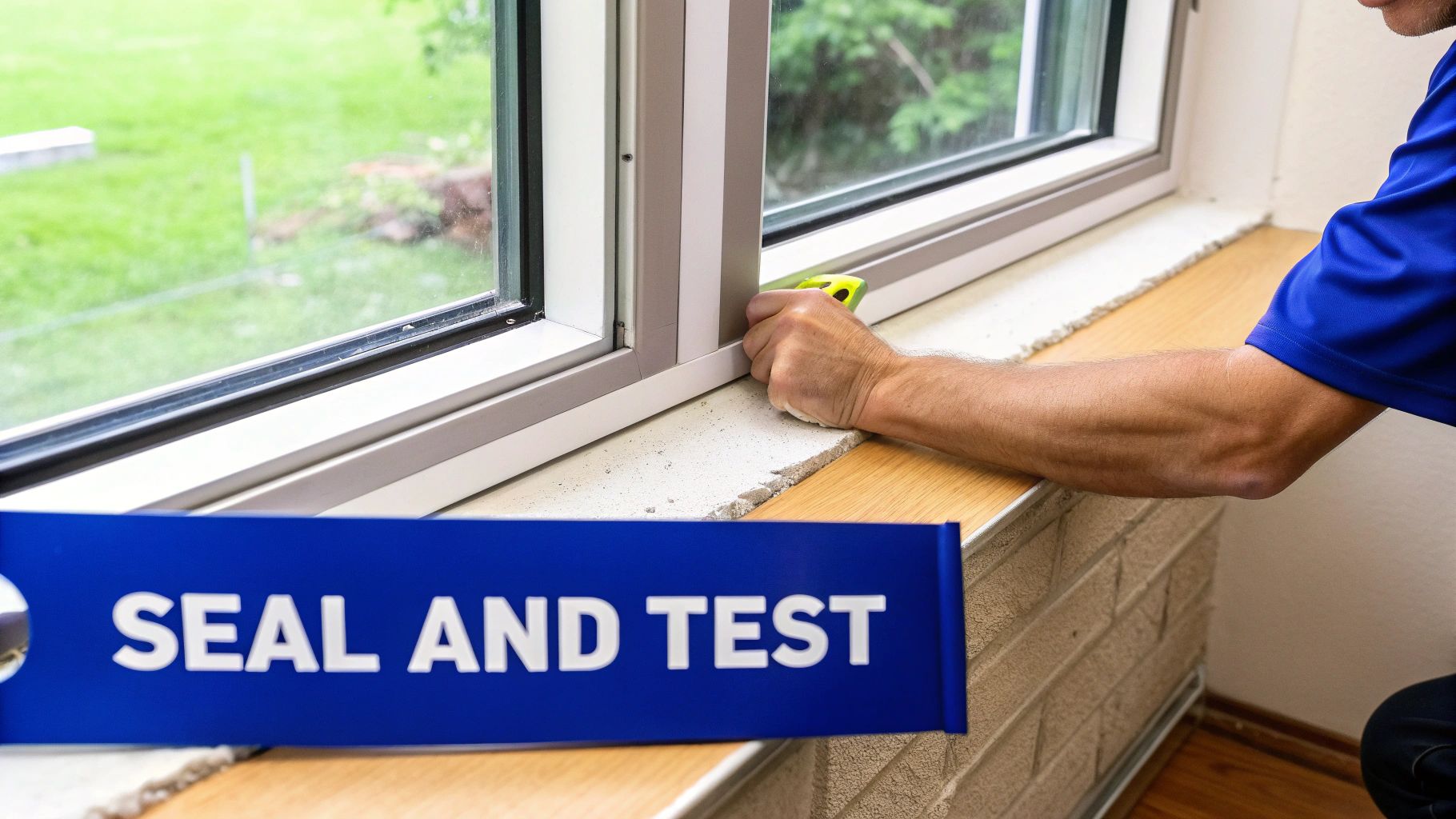
- Seal and Frame Assessment: Visually inspect the caulking and weatherstripping around all exterior doors and windows. Look for gaps, cracks, or deterioration. For windows, check for condensation between the panes, which indicates a failed seal.
- Glass and Screen Integrity: Carefully examine each window pane and screen for cracks, holes, or other damage. A small crack can be a big deal to a picky buyer, and it’s often a simple and inexpensive fix.
For example, a seller in Memphis recently found that two of their home’s original wood windows were painted shut. Instead of leaving it for the inspector, they spent a weekend carefully breaking the paint seal and lubricating the tracks. This small effort prevented a negative inspection finding and showed buyers the home was well-maintained.
8. Exterior and Siding Evaluation
The exterior of your home, including siding, paint, and trim, is the very first thing a potential buyer sees. It dictates their first impression and is a critical component of any home inspection checklist for sellers. This evaluation assesses the condition of all exterior surfaces to identify signs of wear, damage, or potential water intrusion that could deter buyers or signal deeper problems.
In West Tennessee, where homes endure everything from intense sun and humidity to freezing rain, the exterior is constantly under assault. Neglected siding, peeling paint, or rotted trim can suggest a lack of maintenance to buyers, leading them to wonder what other issues might be hiding. Addressing these cosmetic and functional flaws beforehand is key to maximizing curb appeal and buyer confidence.
Why It’s a Top Priority
A home’s exterior is its armor. Any breach, whether a crack in the stucco or a rotted fascia board, can allow moisture to penetrate the structure, leading to costly mold and rot issues. Inspectors are trained to spot these vulnerabilities, and buyers will factor the cost of future exterior repairs into their offer. A well-maintained exterior shows pride of ownership and reassures buyers that the home has been cared for.
Pro-Tip: A fresh power wash can dramatically improve your home’s appearance for a minimal investment. It removes years of dirt, algae, and mildew, making the paint look brighter and the entire property feel newer.
Actionable Steps for Inspection
Follow these steps to ensure your home’s exterior is ready for a buyer’s critical eye:
- Walk the Perimeter: Conduct a detailed visual inspection of all sides of your home. Look for peeling or bubbling paint, cracked or warped siding, and any signs of wood rot, particularly around windows, doors, and rooflines.
- Check for Gaps and Cracks: Inspect areas where different materials meet, such as where siding meets the foundation or brickwork. Use a high-quality exterior caulk to seal any gaps that could allow water or pests to enter.
- Evaluate Siding and Trim: Gently press on wood trim and siding in vulnerable areas to check for soft spots, which indicate rot. For vinyl siding, ensure all panels are securely fastened and not cracked. For brick or stucco, look for cracks that may need to be sealed.
A seller in the Memphis area noticed their home’s paint was chalky and faded, and several fascia boards showed signs of rot. They invested $6,000 to have the rotted wood replaced and the entire exterior repainted in a modern, neutral color. This not only prevented a negative inspection report but also significantly boosted the home’s curb appeal, contributing to a fast sale at their asking price.
9. Appliance Condition and Functionality Check
Appliances are a focal point in kitchens and laundry rooms, and their condition significantly influences a buyer’s perception of your home’s overall value and maintenance. A comprehensive check of these items is a critical part of any home inspection checklist for sellers. This evaluation covers all major appliances, including the refrigerator, range, oven, dishwasher, microwave, washer, and dryer, assessing their age, cosmetic condition, and operational status.
While appliances are sometimes negotiated separately, they are often expected to convey with the sale. Functional, clean, and modern-looking appliances can make a home feel move-in ready, whereas old, mismatched, or broken units can signal neglect and lead to requests for credits or replacements. In a competitive market, updated appliances can be a powerful differentiator.
Why It’s a Top Priority
Buyers often visualize their daily life in a home, and the kitchen is central to that vision. Non-functioning or dated appliances can quickly sour their impression and become a sticking point in negotiations. Addressing these issues beforehand allows you to control costs, avoid last-minute repair scrambles, and present a more polished, valuable property. It eliminates a common objection before it can even be raised by a buyer or their inspector.
Pro-Tip: If your appliances are relatively new, gather the manuals and any transferable warranty information. Presenting these to a potential buyer adds a layer of confidence and demonstrates meticulous homeownership.
Actionable Steps for Inspection
Follow these steps to ensure your appliances make a positive impression:
- Test Every Function: Don’t just turn appliances on. Run a full cycle on the dishwasher and washing machine. Test all burners on the stove, check the oven’s heating accuracy, and make sure the microwave and refrigerator are working correctly.
- Deep Clean Inside and Out: A pristine appliance looks well-maintained. Remove grime from oven doors, clean refrigerator shelves and drawers, and wipe down all exterior surfaces. Polishing stainless steel can make a huge difference.
- Assess Age and Aesthetics: If an appliance is over 10-12 years old or is visibly dated, consider the cost-benefit of replacing it. Mismatched appliances can also detract from a kitchen’s appeal; investing in a matching set can provide a significant return.
- Repair or Replace: If a key function is broken, get a repair quote. Sometimes, a minor repair is all that’s needed. If the repair is costly, replacing the unit with a modern, energy-efficient model is often a better investment.
One Germantown seller had a functional but dated set of white kitchen appliances. After consulting with their agent, they invested $3,500 in a new, matching stainless steel suite. This single upgrade modernized the entire kitchen, became a highlight in the listing photos, and was cited by the buyer as a key reason they chose the home over others in the neighborhood.
10. Pest Damage and Infestation Assessment
Few things can stop a real estate transaction faster than the discovery of termites or other wood-destroying insects. A thorough pest and infestation assessment is an essential part of any home inspection checklist for sellers because unseen pests can cause extensive structural damage, leading to costly repairs and buyer apprehension. This evaluation searches for evidence of termites, carpenter ants, rodents, and other unwelcome guests.
In the humid climate of Memphis and West Tennessee, conditions are ideal for pests like subterranean termites. Since many lenders require a clear termite letter or wood-destroying insect (WDI) report for financing, addressing this proactively is non-negotiable. Uncovering a pest problem during the buyer’s inspection can create panic and potentially void the contract.
Why It’s a Top Priority
Evidence of pests, particularly termites, is a major red flag for buyers, often signaling hidden, expensive damage. By conducting a pre-listing inspection, you can identify and remediate any issues on your own terms. This allows you to control repair costs and present buyers with a clean bill of health, removing a significant point of negotiation and fear from the process.
Pro-Tip: Providing a recent, clear pest inspection report and documentation of any treatments upfront can significantly boost buyer confidence and streamline the closing process.
Actionable Steps for Inspection
Follow these steps to ensure your home is free from pest-related concerns:
- Schedule a Professional Inspection: Hire a licensed and insured pest control company to perform a comprehensive WDI inspection. They are trained to spot subtle signs of infestation that are easily missed, such as termite mud tubes, frass (insect droppings), and damaged wood.
- Check Key Areas: Pay close attention to areas with wood-to-soil contact, such as crawl spaces, basements, and the foundation perimeter. Look for moisture sources like leaking pipes or poor drainage, as these attract pests.
- Address and Document: If an infestation is found, have it professionally treated immediately and complete any necessary wood repairs. Keep all receipts, treatment records, and warranties to provide to the buyer as proof of remediation. For a deeper understanding of what inspectors look for, you can learn more about our pest and termite inspection process.
A seller in Germantown, TN, suspected they might have an issue and ordered a pre-listing termite inspection. The inspector found evidence of a past infestation and minor damage in the crawl space. The seller spent $1,200 on a preventative treatment and minor repairs, then provided the clear report and repair invoices to buyers, preventing what could have been a deal-breaking discovery later.
10-Point Seller Home Inspection Comparison
| Item | Implementation complexity | Resource requirements (cost/time/professional) | Expected outcomes | Ideal use cases | Key advantages |
|---|---|---|---|---|---|
| Roof and Attic Inspection | Medium — requires safe roof/attic access and visual checks | Professional roofer/home inspector; $200–500; clear weather, photos | Detect missing/damaged shingles, flashing/gutter issues, attic moisture, roof age | Pre-listing, suspected leaks, roofs near end-of-life | Identifies costly issues early; boosts buyer confidence; may extend roof life |
| Foundation and Structural Integrity | High — may need structural engineer and invasive evaluation | Structural engineer/home inspector; $300–800 inspection; repairs $5,000–50,000+ | Find cracks, settling, water intrusion, drainage and repair scope | Visible cracks, uneven floors, basement moisture, lender concerns | Prevents sale delays; demonstrates structural reliability; enables financing |
| HVAC System Evaluation | Medium — functional testing and safety checks required | HVAC technician; $150–300; testing of furnace/AC, ducts, refrigerant, records | Assess operation, efficiency, safety (CO risk), remaining service life | Systems >15 years, energy-concerned buyers, comfort complaints | Improves efficiency and lifespan; uncovers safety issues; reassures buyers |
| Electrical System and Panel Inspection | High — safety-sensitive, code-compliance checks needed | Licensed electrician; $200–400; potential upgrades $3,000–15,000 | Identify unsafe wiring, panel capacity, grounding, GFCI/AFCI issues | Older homes, visible panel problems, lender or insurance requirements | Reduces fire risk; meets lender/code requirements; increases buyer confidence |
| Plumbing System Assessment | Medium–High — both visible and hidden components tested | Licensed plumber; $150–400 inspection; sewer scope $300–500; major repairs costly | Detect leaks, pressure issues, supply/drain condition, water heater and sewer status | Homes >40 years, prior leaks/backups, pre-listing prevention | Prevents water damage; clarifies repair needs; supports financing |
| Interior Walls, Ceilings, and Drywall Inspection | Low–Medium — visual inspection and moisture testing | Home inspector/contractor; minor repairs $100–2,000; mold remediation $2,000+ | Reveal water stains, cracks, mold, cosmetic and underlying issue indicators | Visible stains/cracks, cosmetic refresh before listing | High ROI on cosmetic fixes; uncovers hidden roof/foundation/plumbing issues |
| Windows and Doors Inspection | Low — functional and seal checks | Inspector/handyman; repairs $300–1,000 per window; whole-home replace $10,000+ | Detect seal failure, drafts, rot, lock/security and operation issues | Energy-efficiency upgrades, stuck/broken units, security concerns | Improves energy efficiency and curb appeal; low-cost maintenance options |
| Exterior and Siding Evaluation | Medium — full exterior walkaround and moisture/grading checks | Contractor/home inspector; paint $2,000–5,000; siding $15,000–40,000 | Identify siding/trim damage, rot, paint failure, grading/drainage problems | Curb appeal projects, older exteriors, signs of water intrusion | High curb-appeal ROI; prevents water-related structural damage |
| Appliance Condition and Functionality Check | Low — functional testing and visual inspection | Seller/inspector; replacement $1,000–5,000 per unit | Verify operation, age, warranty, installation and cosmetic condition | Kitchen/laundry staging, appliances >12 years, buyer reassurance | Boosts perceived value with minimal effort; eliminates functional objections |
| Pest Damage and Infestation Assessment | Medium — targeted inspection for pests and damage | Pest inspector; $150–300 inspection; treatment $300–1,000; repairs may be costly | Detect termites, wood-boring insects, rodents, moisture-related infestations | Evidence of pests, prior treatments, lender or buyer requirements | Prevents structural damage; often required for financing; increases buyer confidence |
Your Next Step: Partner with a Professional for Peace of Mind
Navigating the complexities of selling your home can feel overwhelming, but the detailed roadmap provided in this home inspection checklist for sellers is your first, most powerful tool. You’ve journeyed through the ten most critical areas of your property, from the shingles on your roof to the stability of your foundation. You now understand the profound impact that a well-maintained HVAC system, a modern electrical panel, and leak-free plumbing have on a buyer’s perception and your home’s market value.
This comprehensive guide has armed you with the knowledge to proactively identify potential red flags. You can now walk through your home with a more critical eye, spotting the subtle signs of drywall stress, assessing the seal on your windows and doors, and evaluating the functionality of your core appliances. This initial self-assessment is not just about ticking boxes; it’s about shifting your mindset from a homeowner to a strategic seller, ready to address issues before they can derail a negotiation.
From Checklist to Competitive Advantage
The true power of this checklist lies in its ability to transform your preparation into a significant competitive advantage, especially in the dynamic Memphis and West Tennessee real estate market. By addressing these key areas, you are doing more than just maintenance. You are actively building trust and confidence with potential buyers from the moment they step through your door.
Consider the narrative you are creating:
- A clean, well-documented HVAC service history speaks of responsible ownership.
- Updated GFCI outlets and a clearly labeled electrical panel demonstrate a commitment to safety.
- Fresh caulking around windows and a dry, solid foundation remove major points of buyer anxiety.
Each item you address from this checklist systematically dismantles potential objections, allowing buyers to focus on your home’s best features instead of its potential flaws. This proactive approach minimizes surprises during the buyer’s inspection, leading to a smoother, faster, and more predictable path to the closing table. You are not just selling a property; you are presenting a well-cared-for home, a distinction that commands a premium.
The Decisive Step: The Professional Pre-Listing Inspection
While your diligence using this home inspection checklist for sellers is invaluable, it sets the stage for the final, crucial step: a professional pre-listing inspection. A certified home inspector brings specialized tools, years of training, and an unbiased perspective that a homeowner simply cannot replicate. They see beyond the surface, using thermal imaging to detect hidden moisture, testing electrical loads with precision instruments, and climbing into spaces you might overlook.
Key Insight: A pre-listing inspection report is not a list of failures. It is your ultimate negotiation tool and a powerful marketing asset. It allows you to set the repair terms, accurately price your home, and provide buyers with transparent documentation that accelerates their decision-making process.
Investing in a professional inspection is the ultimate act of taking control of your home sale. It provides a definitive, third-party assessment that serves as your roadmap for smart, high-impact repairs. You can choose to fix identified issues, gather quotes to offer as concessions, or simply disclose the findings upfront. This transparency positions you as a credible and trustworthy seller, which is a priceless advantage in any transaction. By moving the inspection to the beginning of the process, you effectively eliminate one of the biggest hurdles and sources of stress, ensuring you enter negotiations from a position of undeniable strength and confidence.
Ready to take control of your home sale and maximize your profit? Partner with the experts at Upchurch Inspection to get a comprehensive, unbiased pre-listing inspection report. We provide Memphis and West Tennessee sellers with the detailed insights needed to prepare their homes for a fast, smooth, and successful transaction. Schedule your seller’s inspection today and turn your preparation into a powerful selling advantage.