INSPECTION FINDINGS · FROM OUR INSPECTION RECORDS
In one attic, the report documented extensive charred and heat-damaged roof decking and framing, with patch repairs visible in limited areas. At a separate property in Memphis, we recorded charred decking and gaps associated with heat-damaged boards. A third inspection showed darkened framing and patchy residue that called for checking the property's history rather than declaring a confirmed fire from appearance alone.
Those distinctions are essential. Observed charring and uncertain discoloration called for different descriptions and follow-up. The paired Memphis views are from one property; the other examples are separate inspections. The reports did not establish a common cause, a fire date or a verified repair history across the buildings.
Photographs and documented observations
Charred framing hidden in the attic
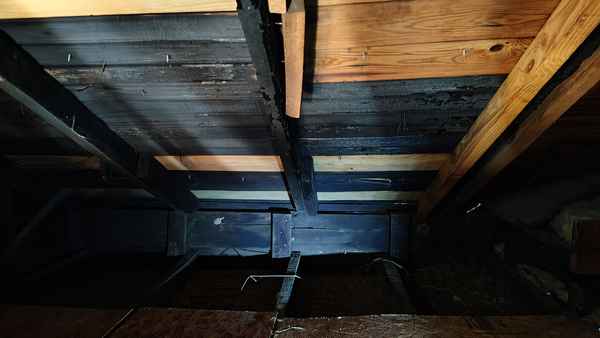
We found widespread blackening and charring on the roof framing and decking, consistent with a previous fire. We recommended a structural engineer assess the extent of the damage.
Two views from the Memphis property
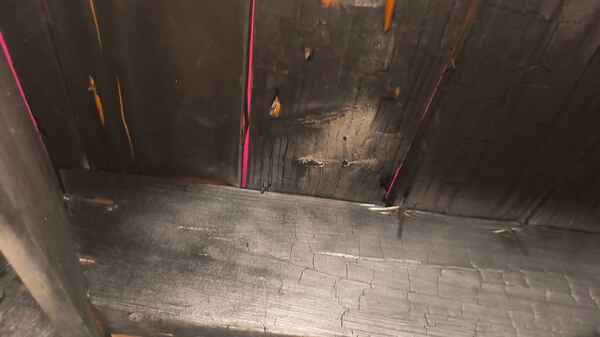
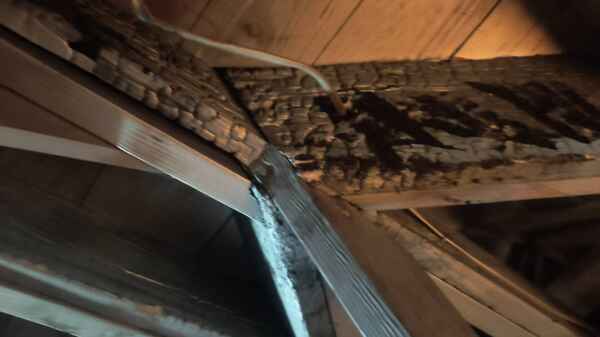
From inside the attic we found gaps between heat-damaged decking planks that exposed the sheathing above. The report recommended evaluating the affected roof decking and its attachment. The attic inspection found charred framing and heat-damaged roof decking consistent with a prior fire. The report recommended having a structural professional assess how much of the affected wood needed repair or replacement.
Darkened framing and visible patchwork
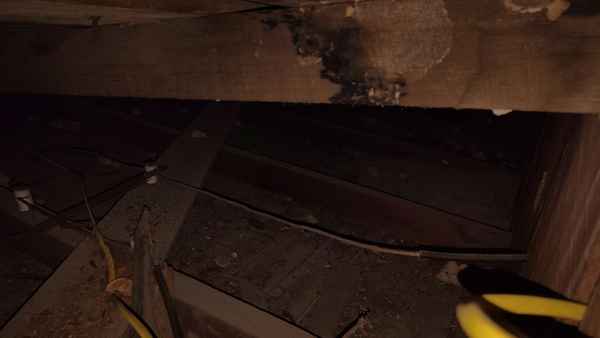
We found darkened wood and patchwork in the attic framing. The report flagged the area for evaluation to determine the history and extent of damage.
New wood beside damaged wood leaves questions
The residential attic report noted newer material alongside affected members but could not verify the extent or adequacy of the repairs. Added lumber is evidence of work, not proof of its design, connections or acceptance. A visual inspection also cannot establish the remaining capacity of damaged members simply by looking at their surface.
Evaluation needed to follow the visible evidence
The documented recommendations called for structural or qualified contractor evaluation and appropriate restoration assessment. For the less certain darkened-and-patched example, the recommendation included checking property history before drawing stronger conclusions. Buyers should preserve the photographs and obtain the records of any prior repair. The available inspection files do not establish completed restoration, so the article does not assign a successful outcome where none was documented.
Related inspection insights
For related context, read Attic Inspection Checklist: 6 Field Tested Checks for Mid South Buyers and Why Repaired Homes Need Closer Attention.
Learn more about our home inspection services and the way we document building conditions for buyers and property owners.
By Wesley Upchurch. This article draws on documented inspection observations and photographs. Images show conditions at the time of inspection; later repairs are not established unless stated. Property addresses and client details are omitted.