
If the house was built before 1978, lead paint is part of the conversation — whether anyone wants it to be or not.
That doesn’t mean the house is dangerous. It doesn’t mean you shouldn’t buy it. It just means there are rules, realities, and responsibilities that buyers need to understand before they get surprised halfway through a transaction or renovation.
And in 2026, that conversation has gotten a little sharper.
Lead Paint Isn’t New — But the Expectations Are
Lead-based paint has been around forever. What’s changed isn’t the material — it’s how seriously regulators, lenders, and insurers expect it to be handled.
Most older homes in West Tennessee were painted long before anyone thought about lead content. That alone doesn’t make them unsafe. Problems usually show up when paint starts failing or getting disturbed.
That’s where the protocols come in.
A Scenario I See All the Time
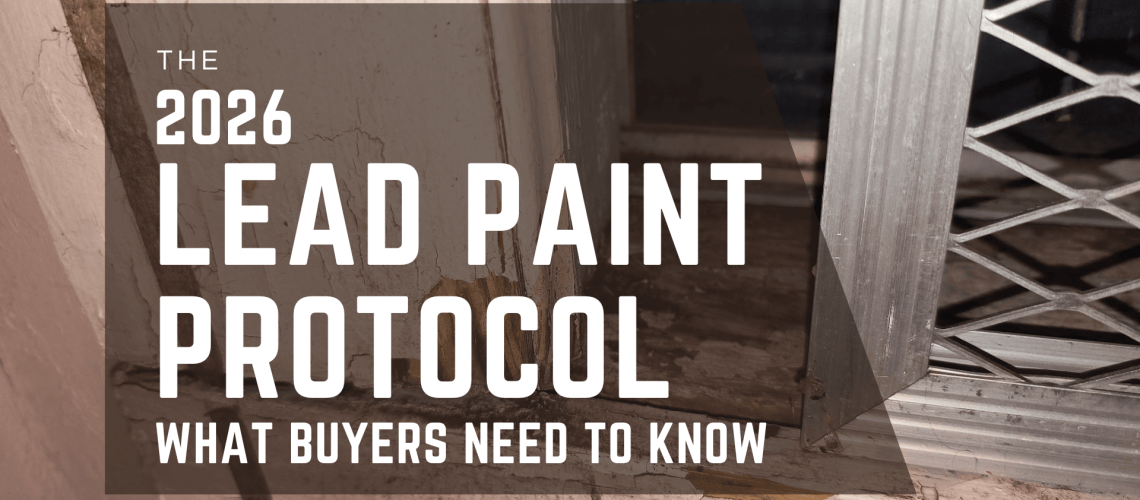
I inspected a pre-1978 home near Humboldt where the paint looked fine at first glance. Walls were intact. Trim looked solid. No peeling in the main living areas.
Then we checked the window sashes.
Chipping paint. Friction surfaces. Fine dust along the sill.
That’s the difference between lead paint existing and lead paint becoming a risk.
Why Windows and Doors Are the Usual Culprits
Lead paint becomes hazardous when it turns into dust. And dust forms most often at:
- Window sashes
- Door frames
- Stair railings
- Trim with repeated contact
Paint on a quiet wall usually isn’t the issue. Paint that gets rubbed, scraped, or crushed is.
That’s why inspectors focus so much on friction points.
What the 2026 Protocols Really Mean
For buyers, the updated expectations boil down to a few things:
- Proper disclosure still matters
- Deteriorated paint gets more scrutiny
- Renovation triggers specific requirements
- DIY fixes can create liability
- “Cosmetic” work isn’t always cosmetic anymore
You don’t need to panic — but you do need to be intentional.
Testing vs. Assuming
Here’s an important distinction:
I don’t test for lead during a standard home inspection. I also don’t ignore the possibility.
What I do is identify:
- Age-related risk
- Visible paint failure
- Areas likely to produce dust
- Renovation concerns
Testing only becomes critical if:
- You plan to disturb painted surfaces
- Children will be present
- Lenders or programs require confirmation
- Paint is already failing
Assuming either “it’s fine” or “it’s definitely lead” without testing usually leads to bad decisions.
Renovations Change Everything
This is where people get caught off guard.
Sanding, scraping, cutting, or demolishing painted surfaces in pre-1978 homes can trigger:
- Containment requirements
- Certified contractor rules
- Cleanup standards
- Documentation expectations
I’ve reviewed inspection reports from one of our inspectors near Bolivar where a simple kitchen remodel turned into a compliance nightmare because the homeowner didn’t realize lead protocols applied.
The work wasn’t dangerous — the way it was done was.
What Buyers Should Actually Be Asking
Instead of asking, “Does this house have lead paint?” better questions are:
- Is any paint failing?
- Where would future work disturb paint?
- Are friction surfaces in good shape?
- What precautions would renovation require?
Those answers are more useful than a yes/no label.
Why Lead Paint Doesn’t Automatically Kill a Deal
Some of the best homes in this region were built before 1978. Walking away from all of them would mean missing out on solid construction, great neighborhoods, and long-term value.
Lead paint, when intact and managed properly, is often a maintenance issue, not a crisis.
Problems come from ignoring it or mishandling it.
The Inspector’s Bottom Line
Lead paint isn’t about fear — it’s about awareness.
A good inspection doesn’t slap a warning label on an old house and move on. It explains where the real risks are, where they aren’t, and how your plans intersect with both.
If you understand the material, respect the rules, and plan accordingly, pre-1978 homes can be lived in, renovated, and enjoyed safely — without surprises later.