
Windows don’t fail because glass breaks.
They fail because water gets in around them — slowly, quietly, and usually out of sight.
By the time someone notices staining or soft drywall, the damage has already been working for years. And almost every time, the real problem isn’t the window itself.
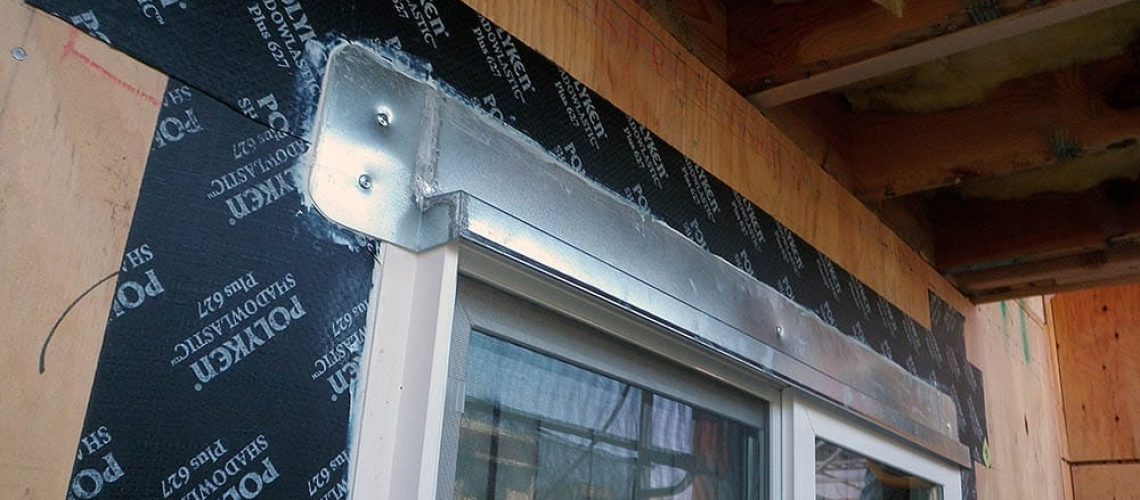
It’s the flashing behind it.
What Window Flashing Actually Does
Flashing isn’t decoration. It’s not optional. And it’s definitely not something you “mostly” install.
Flashing is the system that:
- Redirects water away from the window opening
- Protects the sheathing and framing
- Manages water that will get behind siding
Because water always gets behind siding. That’s assumed in proper construction.
Why Tape Matters More Than Caulk
This surprises people.
Caulk fails. Always. It dries out, cracks, shrinks, and separates.
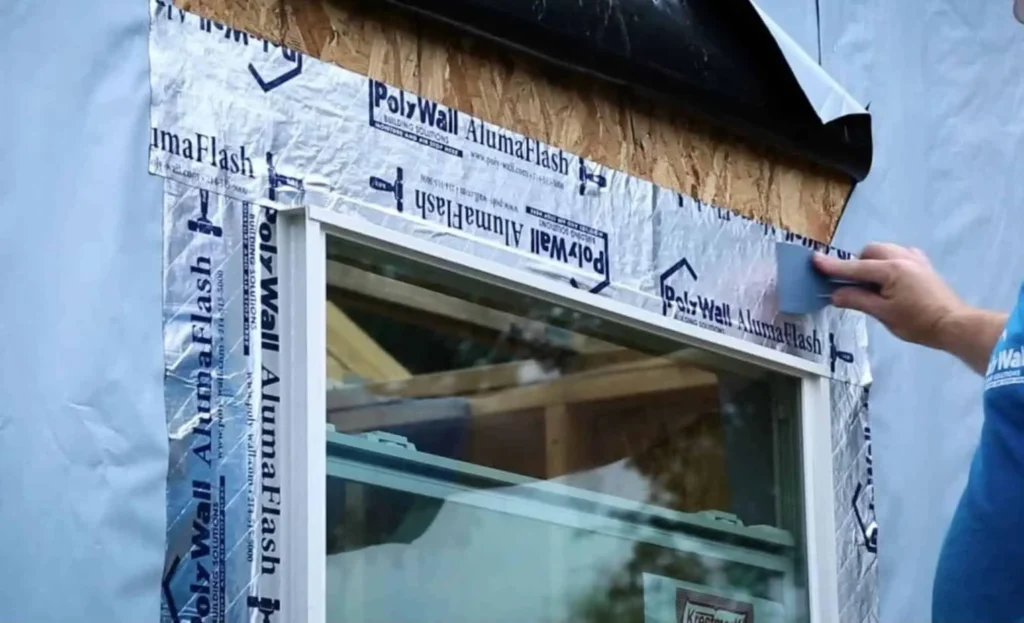
Flashing tape is different. When installed correctly, it:
- Integrates with the weather barrier
- Directs water downward and outward
- Stays flexible with movement
- Creates a drainage path instead of a seal
Caulk is a supplement. Flashing is the defense.
A Real Inspection Where the Window Was Innocent
I inspected a home near Springfield, TN where the buyer noticed soft drywall below a bedroom window. Seller blamed a “leaky window.”
The window wasn’t the issue.
Pulled back siding just enough to see what was going on — no head flashing, improper tape at the jambs, and the weather barrier cut and never sealed.
Rainwater was getting behind the siding, hitting the top of the window, and running straight into the wall.
The glass never leaked. The system failed.
Head Flashing Is Where Things Go Wrong
The most common mistake I see is missing or incorrect head flashing.
That’s the flashing above the window.
Without it:
- Water hits the top trim
- Runs behind the window flange
- Soaks the sheathing
- Finds the interior eventually
Side flashing matters. Bottom flashing matters. But head flashing is critical.
Why This Fails So Often on Newer Homes
Ironically, I see more flashing issues on newer construction.
Why?
- Faster build schedules
- Crews working out of sequence
- Siding installed before flashing is checked
- Tape used incorrectly or skipped entirely
I’ve reviewed inspection reports from one of our inspectors in the Murfreesboro area where multiple windows in a brand-new home had identical flashing defects. Same mistake. Every opening.
Brick and Stone Don’t Make You Safe
People assume masonry exteriors protect them.
They don’t.
Brick and stone absorb water. They need:
- Flashing
- Weep systems
- Drainage planes
Without those, moisture builds behind the veneer and attacks the window opening from the outside in.
I’ve seen window rot behind brick in homes around West Tennessee that looked flawless from the street.
What I Look For During an Inspection
I’m not tearing walls open — but I am reading clues.
I look at:
- Trim details
- Caulk condition
- Staining patterns
- Siding-to-window transitions
- Interior moisture readings
- Repeated issues below openings
If multiple windows show similar symptoms, it’s rarely coincidence.
Why Paint Is a Temporary Lie
Fresh paint hides flashing failures beautifully.
It seals the surface just long enough to get through a sale — and then fails once moisture pressure builds again.
Paint doesn’t redirect water. Flashing does.
What Buyers Should Understand
Window leaks are rarely about replacing windows.
They’re about:
- Proper flashing
- Correct installation
- Integration with the wall system
Replacing a window without fixing flashing is like changing tires on a car with a bent axle.
The Inspector’s Bottom Line
Windows don’t keep water out by themselves.
They rely on layers you can’t see — tape, flashing, and drainage paths — to manage water that’s already made it past the exterior.
When that system is missing or wrong, water doesn’t rush in. It sneaks.
And sneaky water causes the most expensive damage of all.