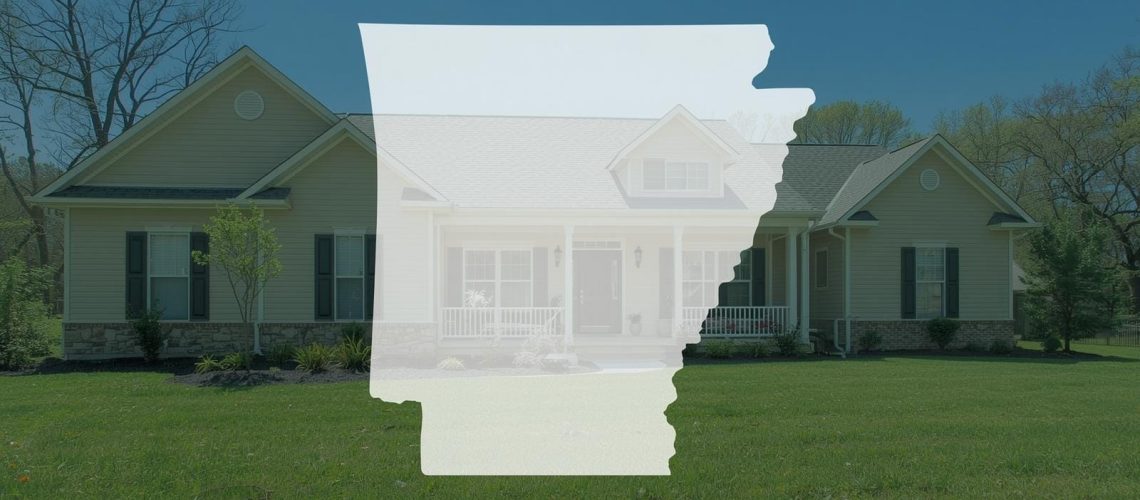
Arkansas homes reflect a wide range of construction styles, soil conditions, and development patterns, often within short distances of one another. An inspection approach that works in one part of the state may miss important context in another. That’s why regional knowledge plays such a critical role in Arkansas home inspections, especially in areas like Little Rock, North Little Rock, Conway, Benton, Bryant, and surrounding communities.
Understanding how Arkansas homes are built—and how they age—changes how inspection findings are interpreted.
Soil Behavior Shapes Structural Findings
Much of Central Arkansas sits on clay-heavy soils that expand and contract with changes in moisture. Over time, this movement influences foundations, slabs, crawlspaces, and even interior finishes.
Inspectors familiar with Arkansas soil patterns understand that some settlement-related indicators are common and often long-standing. The focus becomes identifying whether movement appears stable or whether there are signs of ongoing change that warrant further evaluation. Without that context, normal conditions can easily be misunderstood.
Crawlspaces Reveal Local Conditions Quickly
Crawlspace construction is common throughout Arkansas, particularly in older and mid-era homes. These spaces often provide the clearest insight into how soil moisture, drainage, and ventilation interact beneath the home.
Inspectors with regional experience know what typical moisture levels look like for Arkansas crawlspaces and when conditions exceed what’s expected. That perspective helps distinguish between normal regional challenges and situations that could lead to structural or air quality concerns if left unaddressed.
Drainage Patterns Vary by Area
Arkansas includes flat lots, sloped terrain, infill development, and rural properties, all of which handle water differently. Drainage issues are often less about isolated defects and more about how the property fits into its surroundings.
Local inspectors understand how grading, runoff, and soil saturation behave in specific parts of the state. This allows them to connect interior moisture findings back to exterior conditions rather than treating symptoms in isolation.
Mixed Construction Eras Are Common
Many Arkansas neighborhoods include homes built decades apart, often with renovations layered on over time. Electrical, plumbing, and HVAC systems may reflect multiple generations of updates.
Regional experience helps inspectors recognize when mixed systems are typical for the area and when modifications suggest shortcuts or deferred maintenance. That distinction matters when buyers are planning future upgrades or evaluating risk.
New Construction Still Follows Local Patterns
Even newer homes in Arkansas are influenced by regional building practices and environmental conditions. Fast-paced development, lot grading, and moisture management remain key inspection considerations.
Inspectors who routinely evaluate new construction in Arkansas recognize recurring installation issues tied to local practices rather than isolated mistakes. This helps ensure findings are accurate and relevant rather than overly generic.
Interpreting Findings Requires Local Context
Inspection reports are most useful when findings are explained in context. What might seem unusual to an out-of-state buyer may be typical for an Arkansas home that has performed well for decades.
Regional knowledge allows inspectors to communicate clearly which conditions affect safety or structure, which relate to maintenance planning, and which are part of normal ownership in the area.
Supporting Further Evaluation When Needed
When inspections uncover conditions that fall outside the scope of a visual evaluation, regional inspectors know when additional expertise is appropriate. In those cases, inspectors document conditions, collect field data, and coordinate with qualified professionals when further analysis is needed.
This approach keeps evaluations clear, appropriate, and grounded in professional boundaries.
The Value of Familiarity Across Arkansas Markets
Homes in Arkansas share certain regional traits, but meaningful differences exist between urban, suburban, and rural properties. Inspectors who work across these markets develop a broader understanding of how homes perform in different settings.
That experience leads to inspection reports that are more accurate, more useful, and better aligned with how Arkansas homes actually behave over time.