
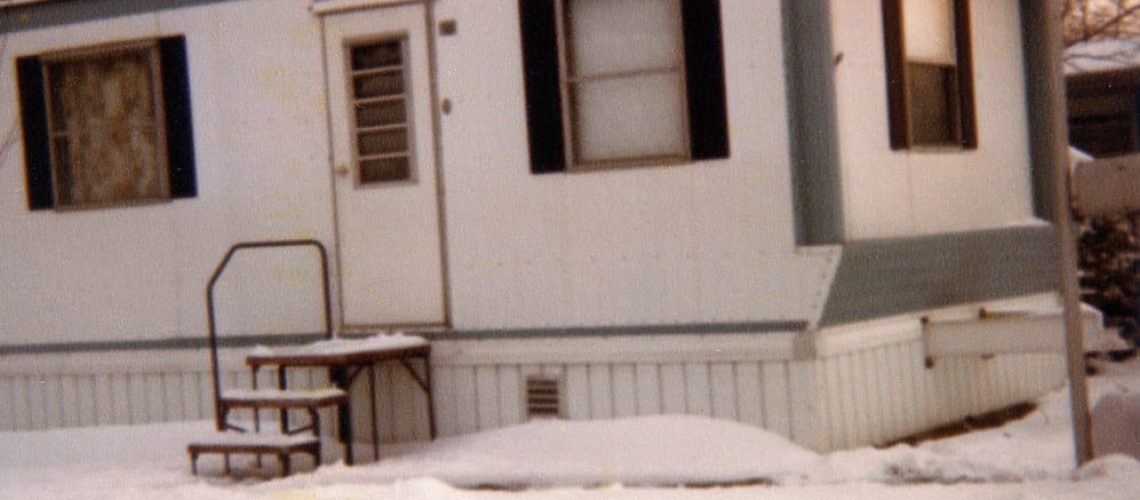
Manufactured homes are built under a federal construction standard, but once they are placed on a property, their performance depends heavily on site conditions, installation quality, and ongoing maintenance. Because of these factors, manufactured homes require a different inspection approach than traditional site-built houses.
Across the Mid-South, manufactured housing is common in both rural and suburban areas, and inspections regularly reveal issues that are specific to this type of construction—issues that may not be apparent to buyers unfamiliar with how these homes are built and supported.
Manufactured Construction Is Different by Design
Manufactured homes are constructed in a factory setting and transported to the site, where they are set on a foundation or support system. This process creates inspection considerations that do not apply to site-built homes, including:
- Transport-related stress on framing and connections
- Pier-and-beam or crawlspace support systems instead of continuous foundations
- Anchoring and tie-down requirements
- Utility connections completed on site rather than during construction
These differences require inspectors to evaluate the home with a clear understanding of manufactured housing standards.
Foundation and Support Systems Are Critical
One of the most important inspection areas for manufactured homes is the foundation and support system. Unlike site-built homes, manufactured homes rely on properly spaced piers, adequate footings, and correct anchoring to distribute loads safely.
During inspections in areas such as West Tennessee, Central Arkansas, North Mississippi, and parts of Kentucky, common findings include:
- Settled or out-of-level piers
- Inadequate footing size or support
- Missing or improperly installed tie-downs
- Moisture-related deterioration beneath the home
These conditions can affect both structural performance and lender acceptance.
Moisture and Ventilation Concerns
Manufactured homes are often more susceptible to moisture-related issues when crawlspace ventilation or site drainage is inadequate. Because many are installed close to grade, moisture can accumulate beneath the home if grading, vapor barriers, or ventilation are insufficient.
Inspectors frequently encounter:
- Elevated humidity in crawlspaces
- Deterioration of insulation or subflooring
- Mold-prone conditions beneath the home
- Poor drainage directing water toward supports
These issues are especially common in humid Mid-South climates.
Utility Connections and Transitions
Plumbing, electrical, and HVAC systems in manufactured homes often include transition points where factory-installed components connect to site-installed systems. These transitions are common sources of defects.
Examples include:
- Improper plumbing connections beneath the home
- Electrical bonding or grounding concerns
- HVAC duct connections that are poorly sealed or supported
A specialized inspection focuses on these areas, which may be overlooked during a general evaluation.
Roofing and Exterior Considerations
Manufactured homes may use roofing systems and exterior materials that age differently than those on site-built homes. Inspectors evaluate:
- Roof coverings and penetrations
- Proper installation of skirting
- Evidence of movement affecting exterior finishes
- Weather sealing at seams and joints
Because these homes are often relocated or modified over time, exterior details deserve close attention.
Financing and Documentation Requirements
Manufactured homes often involve additional documentation requirements during real estate transactions. Lenders may request:
- HUD labels or data plates
- Foundation evaluations or certifications
- Confirmation of permanent installation
Specialized inspections help identify whether these requirements are likely to be met before a transaction progresses too far.
The Inspector’s Role in Manufactured Home Evaluations
Inspectors do not certify foundations or provide engineering opinions. Their role is to:
- Perform a thorough visual inspection
- Document conditions specific to manufactured construction
- Identify indicators that warrant further evaluation
- Coordinate with licensed engineers when required
This structured approach keeps the process compliant and transparent.
Final Thoughts
Manufactured homes require specialized inspections because their construction, installation, and performance differ from site-built houses in meaningful ways. Understanding these differences helps buyers avoid surprises and ensures homes are evaluated fairly and accurately.
For homeowners and buyers across the Mid-South, a specialized manufactured home inspection provides clarity, supports financing requirements, and promotes long-term confidence in the property.