
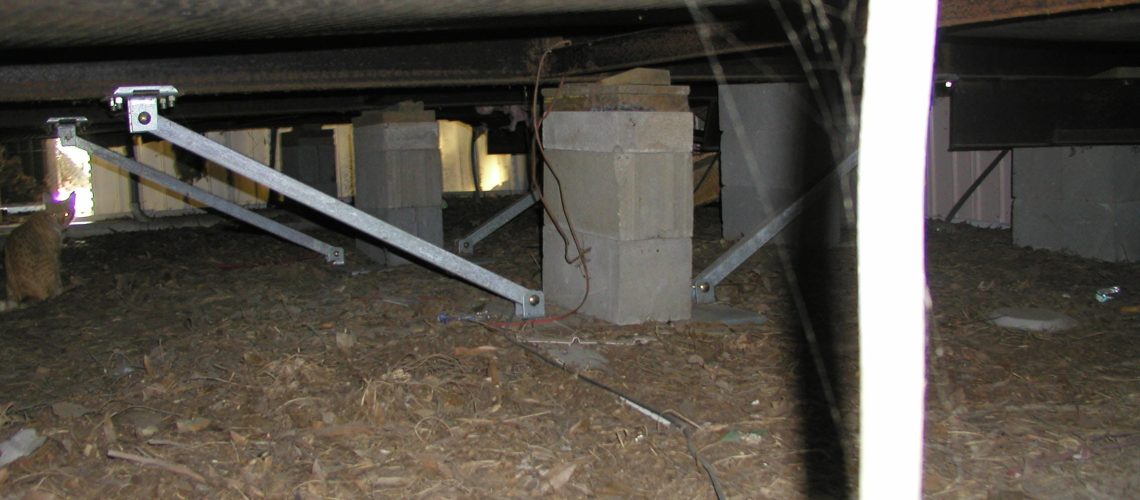
Manufactured homes are built to a federal construction standard, but once they are installed on a property, the foundation becomes just as important as the structure itself—especially when financing is involved. A HUD Foundation Certification is often required by lenders to confirm that a manufactured home is properly supported and anchored in accordance with federal guidelines.
For buyers and homeowners across the Mid-South, understanding what this certification is—and how it is obtained—helps prevent delays and confusion during a real estate transaction.
Why Manufactured Homes Have Different Requirements
Manufactured homes are regulated under the U.S. Department of Housing and Urban Development (HUD) standards, which differ from site-built construction. While the home itself is built in a controlled factory environment, the foundation system is site-specific, meaning soil conditions, installation methods, and anchoring all matter.
Because of this, lenders often require confirmation that the home is installed on a permanent, HUD-compliant foundation before approving FHA, VA, or certain conventional loans.
What a HUD Foundation Certification Confirms
A HUD Foundation Certification verifies that the manufactured home’s foundation meets federal requirements, including:
- Proper support of the home’s structural load
- Approved foundation type and materials
- Adequate anchoring and tie-down systems
- Compliance with HUD Permanent Foundations Guide for Manufactured Housing
This certification is not a general inspection and is not based on appearance alone—it requires professional evaluation and documentation.
The Inspector’s Role vs. the Engineer’s Role
It’s important to clearly separate responsibilities in this process.
At Upchurch Inspection:
- Inspectors perform a field inspection of accessible foundation components
- Measurements, observations, and site conditions are documented
- That field data is provided to a licensed professional engineering firm
The engineer:
- Reviews the field data
- Performs analysis under HUD guidelines
- Issues the formal foundation certification
Inspectors do not issue HUD certifications or provide engineering opinions. All certification and analysis come directly from the licensed engineer.
Common Situations Where HUD Certification Is Required
HUD Foundation Certifications are most often requested when:
- A manufactured home is being sold or refinanced
- FHA or VA financing is involved
- The home is being converted from personal to real property
- Prior foundation documentation cannot be located
This is common across rural and semi-rural areas of Tennessee, Arkansas, Mississippi, Kentucky, and Missouri, where manufactured housing remains a significant part of the housing stock.
Regional Installation Factors Matter
Manufactured home foundations vary widely based on local conditions. For example:
- In areas around Jackson (TN), West Tennessee, and North Mississippi, soil moisture and settlement patterns influence pier and support design
- In Central Arkansas, drainage and grading often play a key role in foundation performance
- In Kentucky communities near Elizabethtown, frost depth and soil composition may affect foundation requirements
Understanding regional conditions helps ensure field data accurately reflects how the home is supported.
What a HUD Certification Does Not Cover
A HUD Foundation Certification is limited in scope. It does not:
- Evaluate the overall condition of the home
- Replace a full home inspection
- Address roof, plumbing, electrical, or HVAC systems
- Guarantee future foundation performance
It strictly addresses whether the foundation meets HUD’s permanent foundation criteria at the time of evaluation.
Why Timing Matters in Real Estate Transactions
HUD certification requests often arise late in a transaction, sometimes after appraisal or underwriting review. Delays can occur if documentation is missing or the foundation does not meet requirements.
Addressing HUD certification early helps:
- Avoid closing delays
- Clarify lender requirements
- Identify corrective work if needed
- Keep transactions moving forward
Final Thoughts
A HUD Foundation Certification is a specific, lender-driven requirement that plays a critical role in financing manufactured homes. It is not a general inspection, nor is it something inspectors provide independently.
By clearly defining roles—inspectors collect field data, engineers perform analysis and issue certification—the process remains compliant, professional, and efficient. For buyers and homeowners throughout the Mid-South, understanding this distinction helps ensure manufactured home transactions proceed with clarity and confidence.