
The Problem Starts Underground — Long Before the Backup
Tree roots don’t break pipes out of aggression. They break them because pipes leak.
Older sewer lines—especially clay tile and early cast iron—were never watertight to begin with. Joints shift, gaskets dry out, and hairline cracks form. That moisture plume in the soil is like a dinner bell. Roots don’t crush pipes at first; they find them.
Once a root tip gets inside, the game is over. It expands, branches, and turns a four-inch sewer line into a root nursery. I’ve opened cleanouts where the pipe interior looked more like sod than plumbing.
Why Big Trees Are the Worst Offenders
Everyone blames the small stuff—shrubs, decorative trees, surface roots. In reality, it’s the mature hardwoods that do the real damage. Oaks, maples, sweetgums—wide canopies mean wide root systems, often extending two to three times the height of the tree.
I’ve inspected properties where the nearest tree was forty feet away and still owned the sewer line. Roots don’t follow property lines. They follow water.
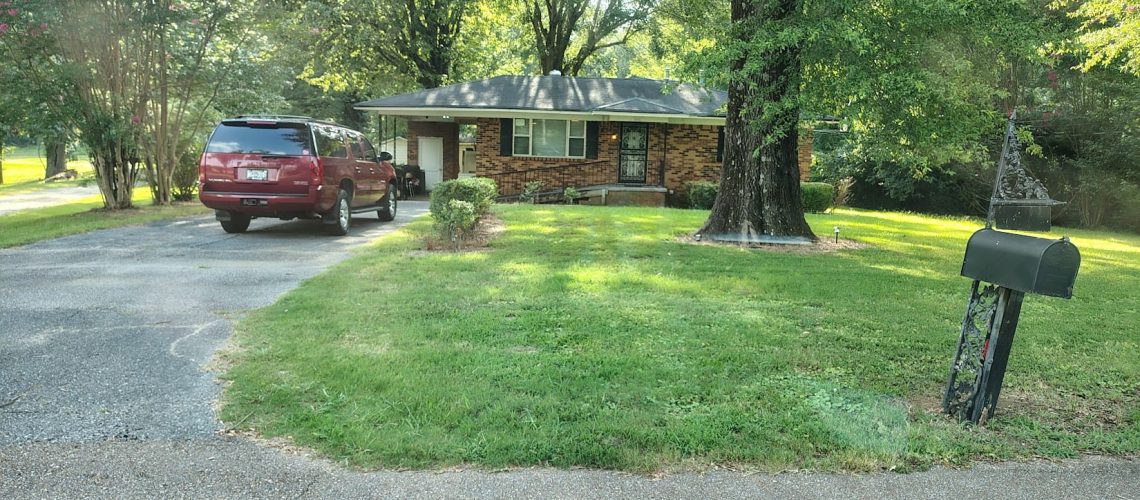
On a home we inspected outside Jackson, the main line ran straight toward a mature oak planted decades before PVC was common. The pipe had separated at multiple joints, and every break was packed solid with roots thick enough to stop a snake cold.
What I Look For During an Inspection
If the house is older and there are large trees between the structure and the street, my suspicion level goes up immediately.
I’m looking for:
- Slow drains throughout the home, not just one fixture
- Evidence of prior cleanouts or recent digging
- Fresh PVC patches tied into older pipe runs
- Heavy vegetation directly over the sewer path
If a sewer scope is part of the inspection, root intrusion is usually obvious within the first few minutes. The camera doesn’t lie. You’ll see fine tendrils first, then thicker masses, then full blockages where waste has carved a channel through the roots just enough to function—until it doesn’t.
Why “Just Snaking It” Isn’t a Fix
Mechanical augers cut roots, but they don’t solve the problem. They trim the hair, not the head. The roots grow back, often thicker, and each cutting accelerates pipe deterioration.
Chemical treatments slow regrowth but don’t repair damaged joints. The only permanent fixes are lining, bursting, or replacement—and those decisions depend on how far the damage has already progressed.
That’s why I don’t downplay root intrusion in a report. This isn’t a maintenance note. It’s a system-level failure in progress.
The Takeaway Buyers Miss
That tree adds curb appeal. Shade. Character. Everyone loves it—until sewage backs up into the lowest fixture in the house.
Root intrusion isn’t sudden. It’s slow, predictable, and completely preventable if caught early. When it’s ignored, it turns a perfectly livable home into an emergency call at the worst possible time.
Pretty trees don’t make good plumbing neighbors. And underground, beauty doesn’t get a vote.