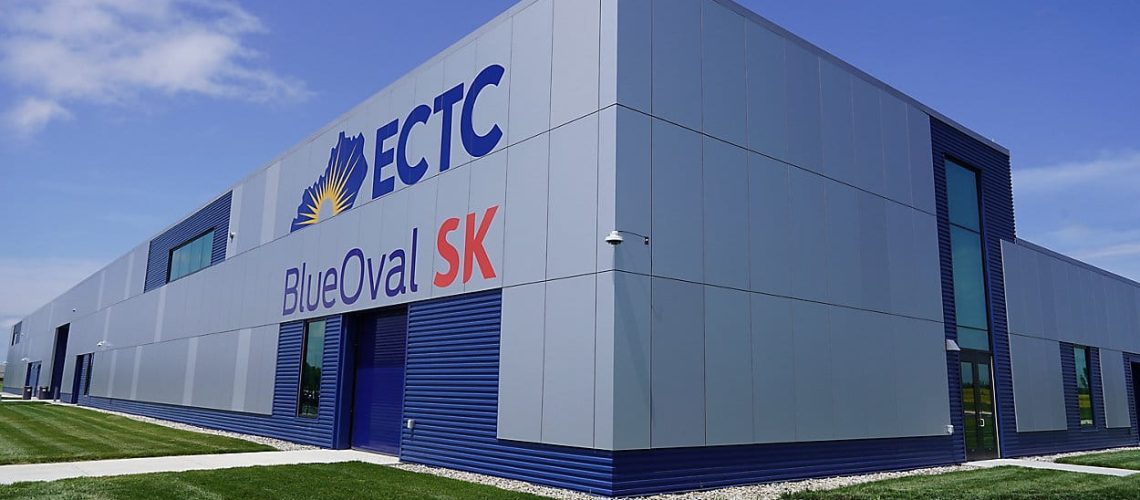
Central Kentucky is building faster than it ever has. The BlueOval SK development changed the demand curve overnight, and the housing market around Elizabethtown, Glendale, and Hodgenville responded the only way it knows how — volume. New subdivisions appeared quickly. Crews rotated faster. Schedules tightened. Materials were staged before foundations cured.
From the street, these homes look clean, modern, and problem-free. From an inspection standpoint, many of them tell a very different story.
This isn’t an argument against new construction. It’s an explanation of what happens when speed outruns process.
What “Rushed” Actually Means in the Field
Rushed construction doesn’t always mean sloppy workmanship. More often, it means incomplete workmanship. Steps aren’t skipped entirely — they’re compressed, overlapped, or delegated to crews that never see the project again.
In Central Kentucky, the pressure points show up in the same places again and again:
- Weather-sensitive details installed too late or too early
- Trades working out of sequence
- Quality control replaced by schedule compliance
When demand is this high, builders optimize for closing dates, not long-term performance.
The Pre-Drywall Moment That Decides Everything
The most important inspection on a fast-tracked build is the pre-drywall inspection, because it’s the last chance to see how the house actually works. Once insulation and drywall go up, defects don’t disappear — they just become expensive.
In BlueOval-driven developments around Glendale and Hodgenville, pre-drywall inspections routinely reveal:
- Missing or improperly lapped flashing
- Unsealed top plates and wall penetrations
- Incomplete fire-blocking between floors and garages
- HVAC duct runs crushed, disconnected, or unsupported
None of these issues are visible at final walkthroughs. All of them affect performance, safety, and durability.
Flashing Errors Are the Signature Defect
Water management is where rushed construction leaves the clearest fingerprints. Flashing details require patience, sequencing, and attention — three things that suffer when timelines are compressed.
Common failures I see include:
- Window flashing installed after the WRB instead of integrated with it
- Head flashings missing entirely on brick veneer openings
- Step flashing buried or bridged at roof-to-wall intersections
These aren’t theoretical concerns. They lead to bulk water intrusion behind siding and brick, where moisture can sit undetected for years before staining or rot becomes visible.
Crawlspaces: New Doesn’t Mean Dry
Central Kentucky humidity doesn’t care how new a house is. Vented crawlspaces in this region are already marginal under ideal conditions. When construction is rushed, those margins disappear.
In brand-new homes, I frequently find:
- Bare earth with partial or poorly sealed vapor barriers
- Foundation vents blocked by insulation or landscaping
- HVAC supply air missing from the crawlspace entirely
Without proper moisture control, crawlspaces become humidity reservoirs that feed moisture upward into the structure. Floors sag, insulation falls, and indoor air quality declines — sometimes within the first year.
Framing Tells You How Fast the House Went Up
You can learn a lot about a build schedule by looking at the framing. When lumber is exposed to rain and then quickly enclosed, it traps moisture inside the wall system.
During inspections, I’m looking for:
- Elevated moisture content in framing members
- Warped studs and bowed plates
- Fastener corrosion in concealed locations
These conditions increase the risk of drywall cracking, nail pops, and long-term dimensional movement that buyers often mistake for “settling.”
HVAC Systems Built for Square Footage, Not Performance
High demand pushes HVAC design toward speed. Systems get sized quickly, duct layouts are reused across models, and balancing becomes an afterthought.
In rushed Central Kentucky builds, I commonly see:
- Oversized equipment cycling too frequently
- Poor return-air placement creating pressure imbalances
- Supply ducts routed through unconditioned spaces without sealing
The result is uneven comfort, higher energy bills, and premature equipment wear — all in a home that’s supposed to be “efficient.”
Electrical Shortcuts Hide Behind Clean Panels
New panels look neat. That doesn’t mean the system behind them was executed carefully. When electricians are pushed to move quickly, the problems aren’t obvious until load increases.
Typical findings include:
- Shared neutrals without proper handling
- Overfilled junction boxes
- Incomplete bonding at service equipment
These issues may not trip breakers today, but they create long-term safety and reliability concerns that don’t show up on a cosmetic walkthrough.
Exterior Grading Is Often an Afterthought
Subdivision grading gets done fast, often before final soil settlement occurs. When builders rush to sod and close, surface drainage problems get locked in.
I frequently see:
- Negative slope toward foundations
- Downspouts discharging directly at footings
- Swales that flatten out before reaching drainage points
In karst-influenced areas, poor drainage doesn’t just cause wet yards — it can accelerate subsurface soil movement and foundation stress.
Why “Brand New” Can Be Misleading
Buyers often assume new construction equals fewer problems. In reality, it just means the problems haven’t had time to surface yet. Many of the most expensive defects I document in Central Kentucky appear after the builder warranty expires.
That’s why inspections during construction — not just at the end — matter so much in a boom environment.
The Cost of Skipping Early Oversight
When issues are caught pre-drywall, they’re usually straightforward to correct. When they’re discovered after closing, they require invasive repairs that disrupt finished spaces.
The difference between those outcomes often comes down to whether the buyer insisted on inspections while the house was still open.
Why BlueOval-Era Homes Deserve Extra Scrutiny
The BlueOval boom created opportunity, but it also created pressure. Builders responded the way markets always do — by moving fast. That speed changed the risk profile of new construction across Central Kentucky.
Buyers evaluating new homes throughout the region should understand that pace matters just as much as materials.
To learn more about how we inspect new construction and fast-tracked developments across the region, visit:
https://upchurchinspection.com/our-service-areas/home-inspections-in-central-kentucky/
Homes built quickly can still be good homes — but only if someone slows down long enough to verify the details.