
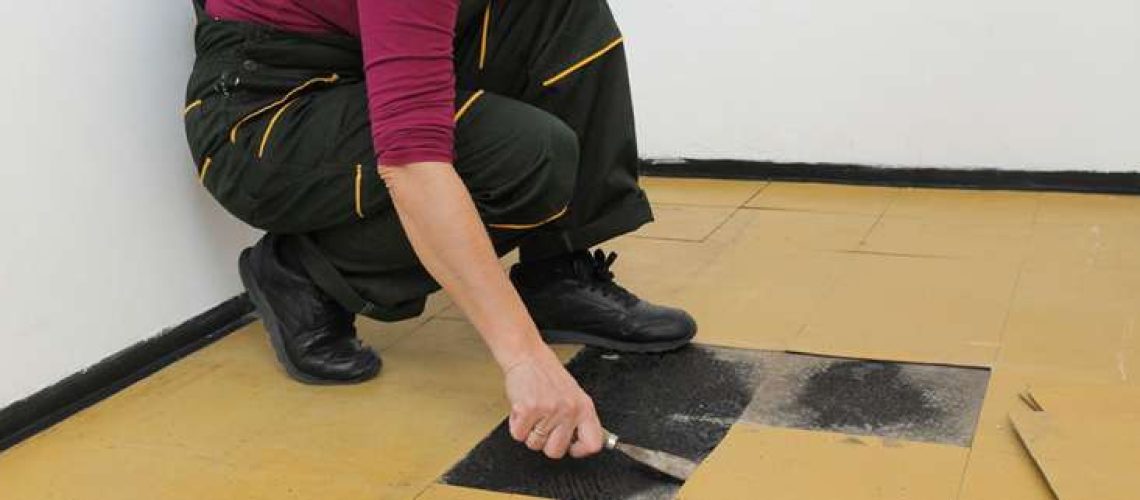
If you’ve inspected enough homes around Radcliff and Muldraugh, you start to recognize the era before you ever look at the paperwork. Low rooflines. Compact footprints. Simple layouts. These houses were built fast, built tough, and built for a very specific moment in history — post-war military expansion tied to Fort Knox.
What they were not built for was modern renovation, modern HVAC loads, or modern expectations about indoor air quality. And buried inside a lot of these homes is a material most buyers don’t see coming until it’s too late: asbestos.
I don’t go into these inspections hunting boogeymen. But I also don’t pretend mid-century construction didn’t use what was common at the time.
Why Asbestos Shows Up Here So Often
The 1950s and 60s were peak asbestos years. It was cheap, durable, fire-resistant, and everywhere. Military-adjacent housing leaned into it hard because it checked all the boxes builders cared about back then.
In Radcliff-area homes, asbestos commonly shows up in:
- 9×9 and 12×12 vinyl floor tiles
- Black mastic adhesives under flooring
- Pipe insulation and boiler wrap
- Duct tape and joint compounds on older HVAC systems
- Cementitious exterior products
None of this is unusual for the era. What is unusual is how often these materials get disturbed during “light” renovations.
The Renovation Trap I See Over and Over
Here’s a common story: a house gets updated to make it more marketable. New flooring goes in. Old tile gets scraped. A bathroom gets remodeled. HVAC gets replaced. Nobody tests anything. Nobody slows down.
That’s when asbestos becomes a problem.
Asbestos is generally stable when left alone. It becomes a hazard when it’s cut, ground, sanded, or broken apart. I’ve lost count of how many times I’ve seen:
- Old floor tile partially removed, partially covered
- Mastic scraped down to bare concrete
- Pipe insulation damaged during mechanical upgrades
At that point, the issue isn’t theoretical anymore. It’s active.
Floor Tiles: The Most Common Surprise
Mid-century Radcliff homes love their old vinyl tile. Buyers see new flooring on top and assume the problem is gone. It usually isn’t.
During inspections, I’m watching for:
- Tile edges visible at floor registers
- Height changes that suggest layered flooring
- Black adhesive residue in unfinished areas
That black mastic is often asbestos-containing. Once it’s disturbed, removal isn’t a DIY weekend project anymore. It’s a regulated abatement.
HVAC Work Is Where Things Go Sideways
Mechanical upgrades are another big trigger. Old duct systems, pipe wraps, and joint materials were frequently asbestos-based. When HVAC systems get replaced, those materials get cut, torn, or discarded without anyone asking what they’re made of.
I’ve seen brand-new systems installed in houses where:
- Asbestos tape was left torn and exposed
- Old pipe insulation was stuffed into crawlspaces
- Contaminated debris was left in attics
That’s not malicious. It’s ignorance mixed with speed.
Basements, Crawlspaces, and “Out of Sight” Decisions
A lot of Radcliff homes have basements or shallow crawlspaces that nobody wants to spend time in. That’s where older materials tend to survive longest — and where damage goes unnoticed.
When I’m in those spaces, I’m looking for:
- Crumbling insulation on old piping
- Broken cementitious panels
- Debris piles from past renovations
If asbestos is present and deteriorating, it changes the conversation for buyers fast.
Why Testing Matters Before Big Plans
I’m not in the business of panicking people. I am in the business of preventing expensive surprises. If a buyer plans to renovate, re-floor, or remodel one of these homes, testing before purchase matters.
Once materials are disturbed, options narrow and costs go up. Knowing what’s there ahead of time lets buyers plan remediation intelligently instead of reacting under pressure.
Insurance, Lending, and Reality
Asbestos doesn’t automatically kill a deal. But undisclosed or damaged asbestos can complicate financing, insurance, and resale. I’ve watched deals stall because nobody wanted to touch the cleanup once it was exposed mid-transaction.
That’s why I document conditions clearly and explain what I’m seeing in plain language — not alarmist, not dismissive. Just real.
Why Mid-Century Homes Need Era-Specific Inspections
These houses aren’t bad houses. Many are solid, well-located, and built better than people expect. But they come with era-specific baggage, and asbestos is part of that package.
Inspections in Radcliff and Muldraugh have to account for how these homes were built, what materials were common, and how decades of piecemeal updates have affected them.
For buyers evaluating mid-century military housing across Central Kentucky, understanding material risk before closing is critical.
https://upchurchinspection.com/our-service-areas/home-inspections-in-central-kentucky/
I don’t assume asbestos is a deal breaker. I assume it’s something you’d rather know about before someone starts tearing things up.