
I’ve already started seeing the confusion out in the field, and 2026 isn’t even fully here yet.
Just last summer, I was inspecting a newer build outside Bartlett. Home was barely three years old, seller bragging about the “almost new” HVAC system. Buyer asked a simple question at the end of the inspection:
“So this system should last us a long time, right?”
I had to give them the real answer — and it wasn’t what they expected.
What’s Actually Changing in 2026
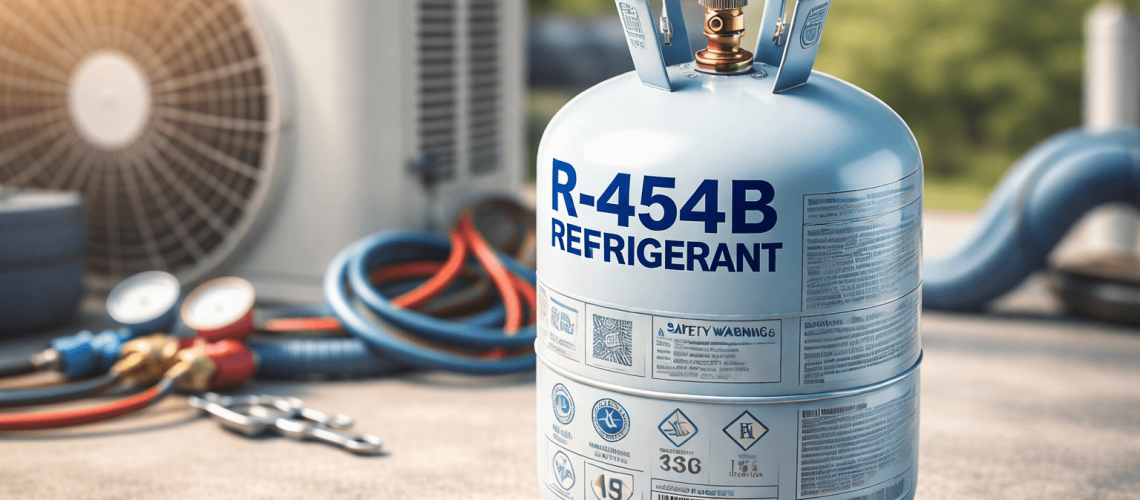
The HVAC industry is moving away from R-410A refrigerant and transitioning to R-454B, primarily due to environmental regulations and global warming potential limits.
That sounds abstract until you’re standing in front of a condenser that:
- Uses a refrigerant that’s being phased out
- Will get more expensive to service every year
- May become harder to recharge after a leak
And yes — I’ve already found leaks in “new” systems.
A Real Inspection Story (Why This Matters)
I inspected a home in Collierville where the AC couldn’t keep up. Delta-T was weak. Thermal camera showed poor heat transfer. Seller swore the unit was “just serviced.”
Pulled the panel and checked pressures — low charge.
Turned out a factory flare fitting had been slightly overtightened. Not enough to fail immediately. Just enough to leak slowly over time.
That system wasn’t even five years old.
Now imagine that same situation post-2026, with a refrigerant that:
- Costs more
- Requires new recovery equipment
- Can’t be topped off casually
That “small leak” becomes a big financial problem.
What R-454B Changes for Homeowners
Here’s the part the sales brochures gloss over:
- R-454B is mildly flammable (A2L classification)
- Install quality matters more than ever
- Cheap installs and rushed change-outs will fail faster
- Improper service can void warranties
I’ve seen what happens when installers rush. Fried control boards. Melted contactors. Compressor failures that trace back to sloppy work — not bad equipment.
Why I Flag Older R-410A Systems Differently Now
Five years ago, a 12–15-year-old AC was “aging but serviceable.”
Today? I look at it through a different lens:
- Remaining service life and
- Future serviceability
If that unit develops a leak in the next few years, you’re not just fixing a problem — you may be forced into a full system replacement earlier than planned.
That’s not fear-mongering. That’s math.
What Buyers Should Do Right Now
If you’re buying a home today:
- Get the manufacture date
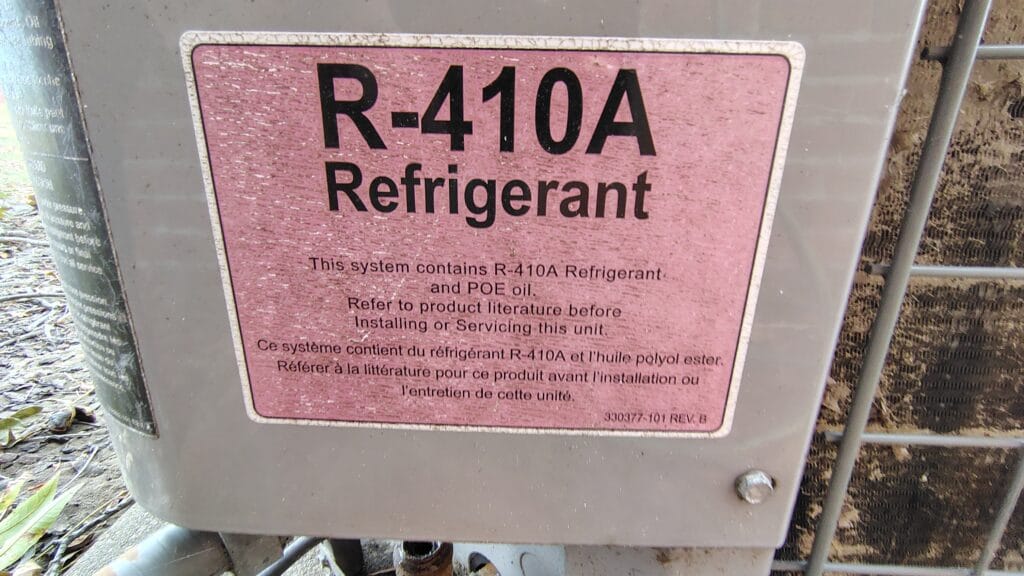
- Confirm refrigerant type
- Ask about prior leaks or recharge history
- Budget realistically for replacement timing
And if you’re installing a new system:
- Vet the installer harder than the brand
- Ask how they’re handling A2L refrigerants
- Don’t let price be the only deciding factor
I’ve inspected too many “brand-new” systems that were already compromised before the first summer heat wave hit.
The Inspector’s Bottom Line
Refrigerant changes don’t break systems — bad installs do.
But the 2026 transition raises the stakes. Small mistakes cost more. Leaks hurt more. Shortcuts show up faster.
This is exactly why I don’t just glance at the condenser and move on. I open panels. I measure performance. I trust what the equipment is telling me — not what the listing says.