
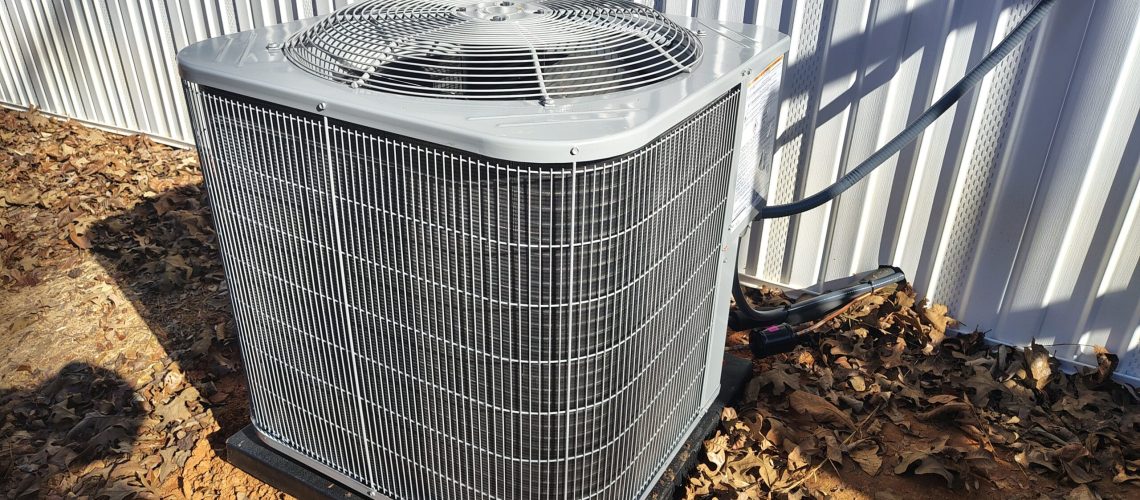
If I hear an AC kick on and shut off again before I can finish writing the serial number down, my radar goes up immediately.
Short-cycling is one of the fastest ways to destroy an HVAC system, and I see it constantly — especially in homes where the seller says, “It’s always done that.”
That’s not normal. And it’s not harmless.
What Short-Cycling Actually Looks Like
Short-cycling happens when a system:
- Turns on
- Runs for a very short period
- Shuts off
- Repeats the process over and over
Sometimes it’s obvious. Sometimes you only catch it by standing there long enough and paying attention.
I don’t just listen for airflow — I watch the behavior.
A Real Inspection Where Short-Cycling Told the Whole Story
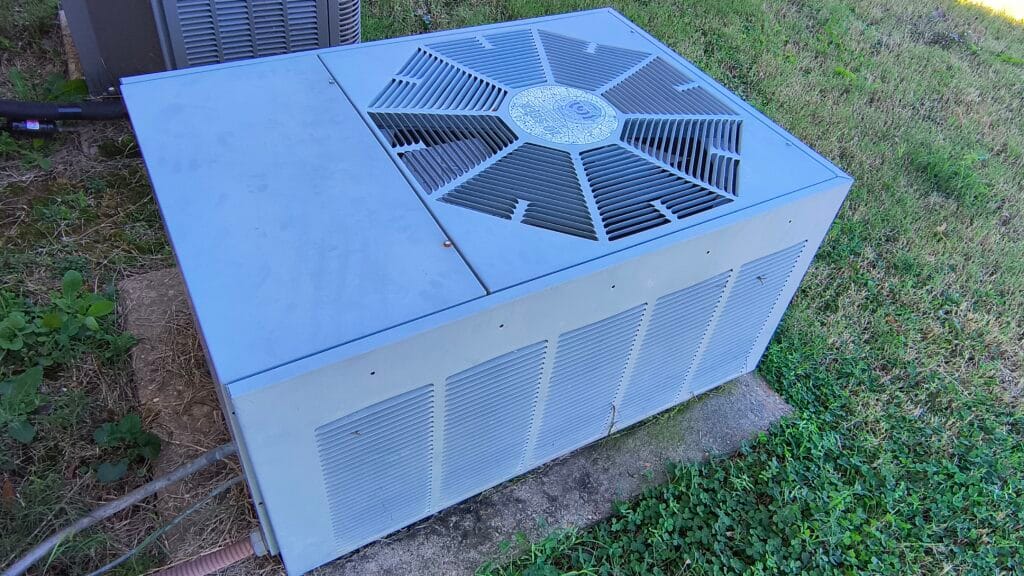
I inspected a home in Germantown where the AC would run for about 90 seconds, shut off, then restart a few minutes later. Seller said it was “efficient.”
It wasn’t.
Pulled the panel and checked the control board — heat discoloration around the relay contacts. Blower motor amperage was higher than it should’ve been. The system had been hammering itself for years.
That buyer avoided a compressor failure that was probably one hot Memphis summer away.
Why Short-Cycling Wrecks Systems
Every start-up is the hardest moment for HVAC components.
Short-cycling causes:
- Excessive wear on compressors
- Relay and contactor failure
- Overheating control boards
- Higher energy bills
- Poor humidity control
I’ve opened air handlers where the control board looked like it had been toasted with a lighter — all because the system was cycling dozens of times an hour.
The Most Common Causes I Find
Short-cycling usually traces back to one of a few root problems:
- Oversized equipment
- Dirty or restricted airflow
- Faulty thermostats
- Improper sensor placement
- Low refrigerant charge
- Control board failures
In one Bartlett inspection, the thermostat was installed directly above a supply vent. The system cooled the thermostat too fast, shut off, and restarted constantly.
That’s not a bad AC. That’s a bad install.
Oversized Units: The Silent Offender
Bigger isn’t better in HVAC.
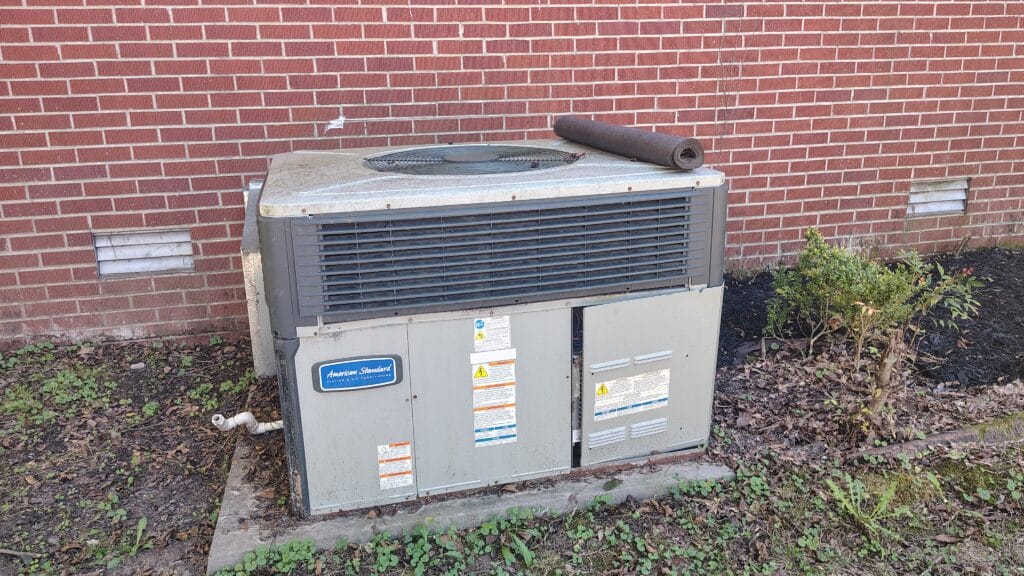
I’ve seen brand-new, oversized units short-cycle themselves into early failure because they cool the air too quickly without removing humidity.
The house feels clammy. The system sounds busy. The components age faster.
Right-sizing matters more than most people realize.
Why Homeowners Miss the Warning Signs
Short-cycling doesn’t always feel uncomfortable — at first.
Many homeowners don’t notice:
- Rapid on/off behavior
- Increased energy bills
- Rising humidity levels
- Premature component failure
By the time they do, the damage is already done.
How I Catch Short-Cycling During an Inspection
I don’t rush HVAC inspections.
I:
- Observe full run cycles
- Listen for repeated starts
- Watch thermostat behavior
- Check temperature performance
- Inspect electrical components closely
Short-cycling doesn’t hide if you give it time.
What Buyers Need to Know
If a system is short-cycling during an inspection, that’s not a “monitor” item.
That’s a red flag.
It means:
- Something is wrong now
- Something expensive is coming later
- The system has already been under stress
Ignoring it is how buyers end up replacing systems years earlier than expected.
The Inspector’s Bottom Line
HVAC systems aren’t designed to sprint — they’re designed to run steady and controlled.
When a unit turns off early over and over, it’s telling you something is wrong. I listen when equipment talks.
Because short-cycling doesn’t just shorten run times — it shortens the life of the entire system.