Radon is one of those things people love to minimize until they can’t. “It’s probably fine.” “Nobody around here worries about that.” “That’s more of a mountain thing.”
Nope. Not here. Not on the Highland Rim. And definitely not in Mt. Juliet.
If you’re buying a home in Wilson County and nobody has talked to you seriously about radon, you’re missing one of the most predictable, measurable risks in this entire market.
The Highland Rim Isn’t Subtle About It
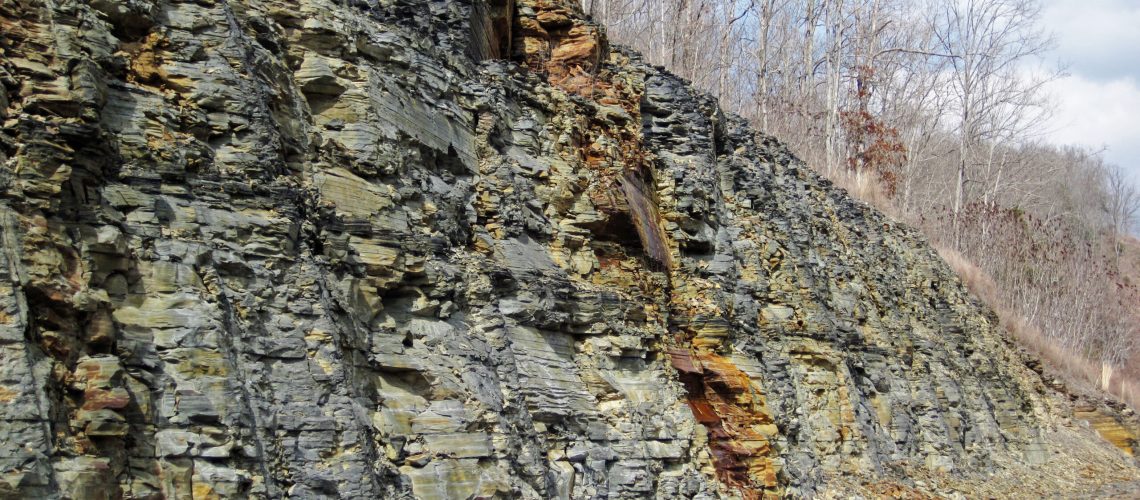
Geology doesn’t care about opinions. The Highland Rim is a radon-producing formation. Period. It’s limestone-rich, fractured, and full of pathways that move soil gas upward. That gas doesn’t politely stop at the foundation wall. It looks for pressure differences — and houses create those by design.
This is why Mt. Juliet sits in a Zone 1 radon risk area. That designation isn’t marketing. It’s math.
“But This Isn’t East Tennessee…”
I hear that one a lot. And it tells me the person hasn’t looked at the geology map.
East Tennessee has radon because of uranium-rich formations. Middle Tennessee has radon because of fractured limestone and subsurface voids. Different reasons. Same outcome.
In Mt. Juliet, the soil doesn’t seal. Ict transmits.
Basements Make It Worse — But They’re Not Required
Basements increase radon risk, sure. But slab homes aren’t immune. I’ve tested plenty of slab-on-grade houses here that came back elevated.
Why? Because radon doesn’t need a basement. It needs:
- Cracks
- Control joints
- Plumbing penetrations
- Sump pits
- Porous concrete
Every slab has those. Pretending otherwise is wishful thinking.
Sealed Houses Can Test Higher
Here’s the part that really annoys people: energy efficiency can make radon worse.
Tighter houses mean less air leakage. Less leakage means pressure differences get stronger. Stronger pressure differences pull more soil gas in. That’s not a theory — that’s building science.
So when someone tells me, “It’s a newer house, it should be fine,” I usually respond with, “That actually makes me more curious.”
Stack Effect Is Doing the Work for Radon
In multi-level homes, especially two-story builds with basements or conditioned crawlspaces, the stack effect is relentless. Warm air rises and escapes at the top of the house. That creates negative pressure at the bottom.
Nature hates a vacuum. Radon fills it.
Once it enters the lower levels, it doesn’t stay put. It mixes with indoor air and distributes throughout the living space. Bedrooms included.
Sump Pits Are Radon Superhighways
If a home has a sump pit — especially an unsealed one — radon loves it. That pit is literally an open connection to the soil below the house.
I’ve seen houses test fine one year, then spike after a sump system was added or modified. Nothing else changed. Just the pressure dynamics.
That’s why sealed sump lids matter here. Not as an upgrade. As a necessity.
“My Neighbor Tested Low” Means Nothing
This is the most dangerous assumption of all.
Radon doesn’t behave like noise or smell. It behaves like gas moving through fractured rock. Two houses built the same year, on the same street, can have wildly different results depending on microfractures below grade.
I’ve tested homes where:
- One side of the duplex was elevated
- The other side was fine
Same footprint. Same roof. Different soil pathways.
Why I Don’t Argue About Testing
I don’t debate radon. I test it. The numbers speak for themselves. When results come back elevated, nobody asks me if it was worth checking.
Radon testing is cheap compared to literally every other thing you’re buying with the house.
And mitigation? It’s not invasive. It’s not exotic. It’s just pressure management — something houses already struggle with anyway.
Why This Matters More in Growing Markets
Mt. Juliet is building fast. Lots are tight. Grades are aggressive. Soil is disturbed constantly. All of that changes how gas moves underground.
Add in the fact that people are paying serious money for these homes now, and ignoring radon becomes a pretty bad gamble.
If you’re buying anywhere in the Middle Tennessee corridor — especially in markets orbiting Nashville — radon isn’t a “nice to know.” It’s baseline information.
The Takeaway Nobody Loves
Radon doesn’t care if the house is pretty.
It doesn’t care if it’s new.
And it definitely doesn’t care if nobody else mentioned it.
In Mt. Juliet, elevated radon isn’t rare. What’s rare is people taking it seriously before they close.
For buyers evaluating homes across Middle Tennessee, radon testing isn’t fear-based. It’s data-based.
https://upchurchinspection.com/our-service-areas/home-inspections-in-middle-tennessee/
I don’t sell peace of mind.
I sell answers — even when they’re inconvenient.