
In the Mid-South, temperature is only half the battle.
I’ve walked into plenty of homes that were technically “cool” — and still miserable. Sticky air. Heavy feeling. That clammy sensation that makes 72 degrees feel like 80.
That’s a humidity problem, not an HVAC problem. And most systems weren’t designed to handle it alone.
Why Summer Comfort Is Really About Moisture
Your AC does remove humidity — but only when it runs long enough and under the right conditions.
In our climate:
- Short run times leave moisture behind
- Afternoon humidity spikes overwhelm systems
- Shoulder seasons confuse thermostats
- Tight homes trap moisture inside
I see this constantly in newer, well-sealed houses.
A Real Inspection Where Temperature Lied
I inspected a home in Collierville where the thermostat read 71 degrees. Buyer said the house felt “damp” all the time.
Checked humidity levels — hovering around 63%.
That’s not comfortable. That’s mold-friendly.
The AC was sized correctly and operating normally. The problem wasn’t cooling capacity — it was moisture load.
Why AC Alone Often Isn’t Enough
Air conditioners are designed to cool air, not manage indoor moisture year-round.
Problems show up when:
- Systems are oversized
- Outdoor humidity stays high overnight
- Homes are tightly sealed
- Crawlspaces contribute moisture
- Occupant loads increase
I’ve inspected homes in Germantown where humidity stayed high even when the AC ran perfectly.
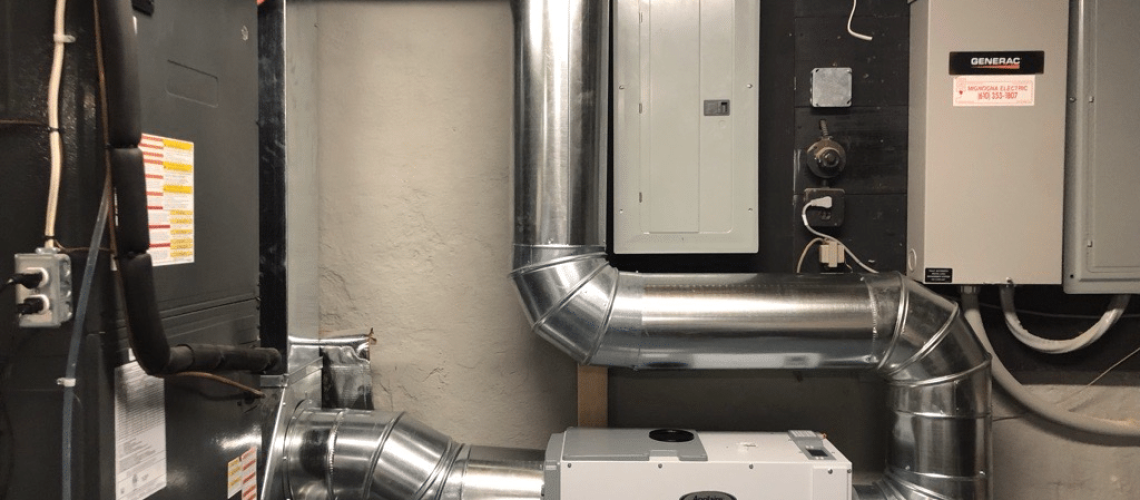
What a Dehumidifier Actually Does
A whole-home dehumidifier:
- Removes moisture independent of cooling
- Runs when the AC doesn’t need to
- Stabilizes indoor humidity
- Improves comfort at higher thermostat settings
- Reduces mold and musty odors
It’s one of the few upgrades that actually improves how a home feels without lowering the temperature.
Where I See Dehumidifiers Make the Biggest Difference
Dehumidifiers shine in:
- Basements
- Crawlspace-adjacent homes
- New construction
- Homes with spray foam insulation
- Houses with oversized HVAC systems
In Arlington, I inspected a newer home where humidity issues vanished after a whole-home unit was installed — without touching the AC.
Common Dehumidifier Mistakes
Just like HVAC, dehumidifiers get installed wrong too.
I’ve seen:
- Units draining into improper locations
- No dedicated return air
- Incorrect setpoints
- Units oversized or undersized
- Standalone units relied on instead of integrated systems
A dehumidifier should work with the HVAC system, not fight it.
How I Evaluate Humidity During an Inspection
I don’t guess.
I measure:
- Indoor relative humidity
- Temperature balance
- Signs of condensation
- Musty odors
- Surface moisture where applicable
If humidity is high during normal operation, that gets documented.
What Buyers Should Understand
Humidity problems don’t fix themselves.
Left alone, they lead to:
- Mold growth
- Wood movement
- Musty odors
- Reduced comfort
- Higher cooling costs
Cooling the air colder just to feel dry is the most expensive workaround possible.
The Inspector’s Bottom Line
In the Mid-South, comfort isn’t just about cold air — it’s about dry air.
When humidity stays high, a dehumidifier isn’t a luxury upgrade. It’s often the missing piece that makes a well-functioning home actually comfortable.
That’s why I look beyond the thermostat. The air tells a fuller story than the temperature ever will.