
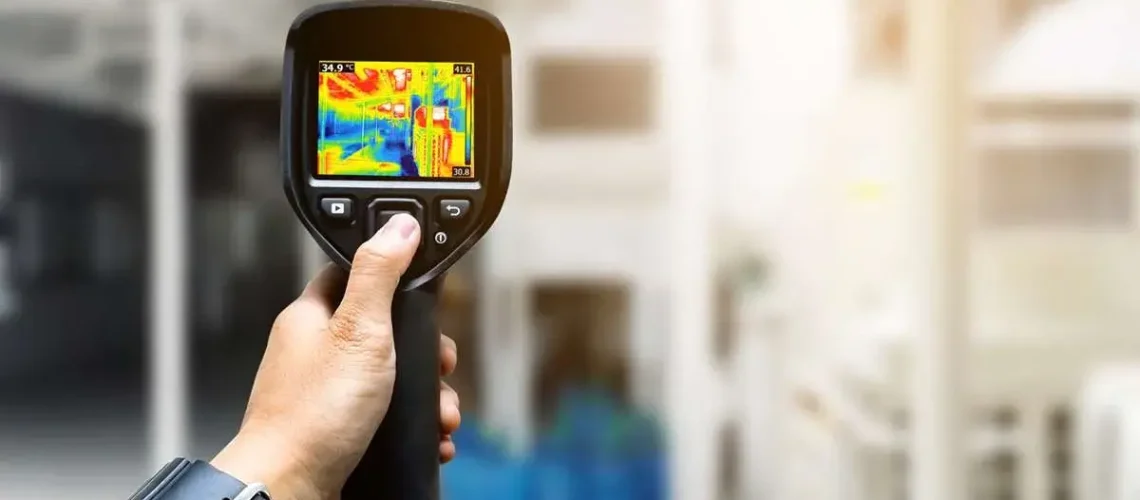
Not all building problems are visible to the naked eye. Moisture intrusion, insulation gaps, and electrical overheating can exist behind walls, ceilings, or finishes long before they cause obvious damage. Thermal imaging is a diagnostic tool that helps inspectors identify temperature anomalies that may indicate hidden issues—without cutting into the home or causing damage.
Used properly, thermal imaging adds another layer of insight to a standard visual inspection, particularly in the varied climates and construction styles found across the Mid-South.
What Thermal Imaging Actually Does
Thermal imaging cameras detect surface temperature differences, not moisture, mold, or electrical defects directly. These temperature variations appear as patterns that can suggest underlying conditions.
Common examples include:
- Cooler areas that may indicate moisture intrusion
- Cold or hot spots related to missing or compressed insulation
- Overheated electrical components
- Air leakage around doors, windows, or penetrations
The camera does not diagnose problems—it highlights areas that deserve closer attention.
Why Thermal Imaging Is Useful During Inspections
Many building issues develop slowly and remain concealed until damage becomes advanced. Thermal imaging helps inspectors identify early indicators before problems become more costly.
Across homes inspected in areas such as Memphis, Nashville, Little Rock, Jackson (TN), and surrounding communities, thermal imaging is frequently used to evaluate:
- Suspected moisture intrusion around windows or roofs
- Bathroom or laundry areas prone to leaks
- Crawlspace or basement moisture influence
- Insulation performance in exterior walls and ceilings
This tool is especially valuable in humid regions where moisture-related issues are common.
Moisture-Related Applications
One of the most common uses of thermal imaging is identifying temperature patterns consistent with moisture. Wet materials often retain or lose heat differently than dry materials, creating visible anomalies.
Thermal imaging may help indicate:
- Active or past plumbing leaks
- Roof or flashing-related moisture intrusion
- Condensation forming behind finishes
- Areas requiring further moisture evaluation
Importantly, thermal imaging does not confirm mold or moisture by itself. Findings must be verified through visual inspection, moisture measurement, or further evaluation.
Electrical System Observations
Thermal imaging can also help identify overheating electrical components, which may indicate loose connections, overloaded circuits, or failing equipment.
Inspectors may observe:
- Elevated temperatures at breakers or panels
- Hot spots at electrical connections
- Imbalanced loads affecting components
These observations help identify conditions that warrant further evaluation by a qualified electrician.
Insulation and Air Leakage Insights
Temperature differences can reveal areas where insulation is missing, compressed, or improperly installed. Thermal imaging may also highlight air leakage paths that affect comfort and energy efficiency.
Common findings include:
- Insulation voids in exterior walls
- Thermal bridging through framing members
- Air leakage around attic access points
- Inconsistent insulation coverage
These observations are particularly useful in older homes or properties with additions or renovations.
What Thermal Imaging Does Not Do
Thermal imaging is a screening tool, not a diagnostic conclusion. It does not:
- Determine the cause of a condition on its own
- Measure moisture content
- Replace invasive testing or repairs
- Provide engineering analysis
Inspectors use thermal imaging to guide further evaluation—not to make assumptions based on color patterns alone.
How Inspectors Use Thermal Imaging Responsibly
Professional inspectors use thermal imaging in conjunction with:
- Visual inspection
- Moisture meters when appropriate
- Knowledge of building science
- Regional construction practices
This combined approach helps ensure findings are interpreted accurately and responsibly.
Final Thoughts
Thermal imaging adds valuable insight to a home inspection by revealing conditions that may otherwise remain hidden. When used properly, it helps identify areas that deserve closer attention—without damaging the home or overstating conclusions.
In the diverse housing stock found throughout the Mid-South, thermal imaging supports better understanding of moisture behavior, insulation performance, and system conditions, giving homeowners and buyers clearer information to work with.