
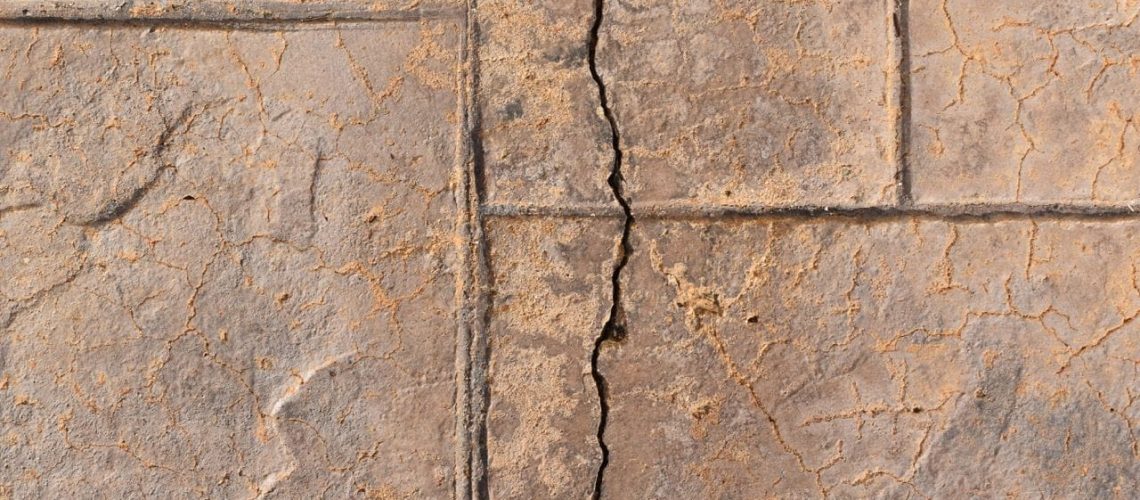
Cracks are one of the most common—and most misunderstood—findings during a home inspection. For many buyers, the presence of any crack immediately raises concerns about structural failure. In reality, not all cracks are created equal, and many are a normal part of how homes age and respond to their environment.
Inspecting homes throughout the Mid-South, we routinely see cracking related to soil movement, moisture changes, and normal settlement. The key is understanding which cracks are typical and which ones warrant closer attention.
Why Cracks Appear in Homes
Homes are not static structures. They expand, contract, and shift over time due to:
- Soil movement and moisture variation
- Seasonal temperature changes
- Normal settlement after construction
- Material shrinkage as homes age
In regions like West Tennessee, Central Arkansas, and parts of Kentucky, soil conditions play a significant role in how and where cracks develop. Many cracks reflect this natural movement rather than a structural defect.
Cracks That Are Often Considered Typical
Certain types of cracking are commonly observed and are often considered cosmetic or non-structural when they appear in isolation and show no signs of progression.
These commonly include:
- Small vertical cracks in foundation walls
- Hairline drywall cracks at corners of doors or windows
- Minor cracking in concrete slabs or garage floors
- Cracks in plaster or drywall consistent with age
In older homes around areas like Memphis, Jackson (TN), Little Rock, and Elizabethtown, these types of cracks are frequently part of normal aging rather than evidence of failure.
Cracks That Deserve Closer Evaluation
Other crack patterns may suggest abnormal movement or stress and are more likely to warrant further evaluation.
These may include:
- Horizontal cracks in foundation walls
- Stair-step cracking in masonry block or brick
- Cracks that are wide, displaced, or actively growing
- Cracks accompanied by floor slope, door misalignment, or framing distortion
When these conditions are observed—especially in combination—additional evaluation is often appropriate.
Location and Pattern Matter More Than Size Alone
One of the most common misconceptions is that crack width alone determines severity. In practice, location, orientation, and pattern are more important than size by itself.
Inspectors evaluate:
- Whether cracks follow structural lines
- If they align with known stress points
- Whether they appear active or dormant
- Associated signs of movement elsewhere in the structure
This pattern-based approach provides a more accurate assessment than focusing on a single crack in isolation.
Interior vs. Exterior Cracking
Cracks inside the home do not always originate there. Interior cracking often mirrors conditions occurring at the foundation or framing level.
For example:
- Interior wall cracking may reflect foundation movement
- Ceiling cracks may relate to framing deflection
- Door or window cracking may indicate shifting openings
Understanding how interior and exterior conditions relate helps clarify whether cracking is cosmetic or structural in nature.
When Engineering Evaluation Is Appropriate
Inspectors do not perform structural calculations or provide engineering opinions. When crack patterns suggest abnormal movement, inspectors may recommend evaluation by a licensed professional engineer.
In these cases:
- Inspectors document crack characteristics and collect field data
- An independent engineering firm performs analysis and issues conclusions
- Any structural determinations or repair recommendations come from the engineer
This clear separation of roles ensures proper evaluation without crossing professional boundaries.
Why Regional Experience Matters
Cracking must be evaluated in the context of local conditions. Homes within an hour of Nashville, Cape Girardeau, Little Rock, or Jackson (TN) often show different cracking behavior due to soil composition, construction practices, and climate.
Regional experience allows inspectors to distinguish between typical settlement patterns and conditions that fall outside expected norms.
Final Thoughts
Cracks are common, but not all cracks are concerning. Understanding the difference between cosmetic cracking and patterns that suggest structural movement helps homeowners and buyers respond appropriately.
A professional inspection focuses on context, patterns, and supporting evidence—not fear. When cracks warrant further evaluation, coordination with a licensed engineer provides clarity and confidence, ensuring decisions are based on analysis rather than assumptions.