Let's get right to it. For a commercial roof inspection here in Memphis, you can expect to pay anywhere from $300 for a small, simple roof to over $1,200 for a large, complex facility. It's a bit like getting a vehicle inspected—a quick check on a standard sedan is one thing, but a full diagnostic on a commercial semi-truck is a whole different ballgame.
Understanding the True Cost of a Commercial Inspection
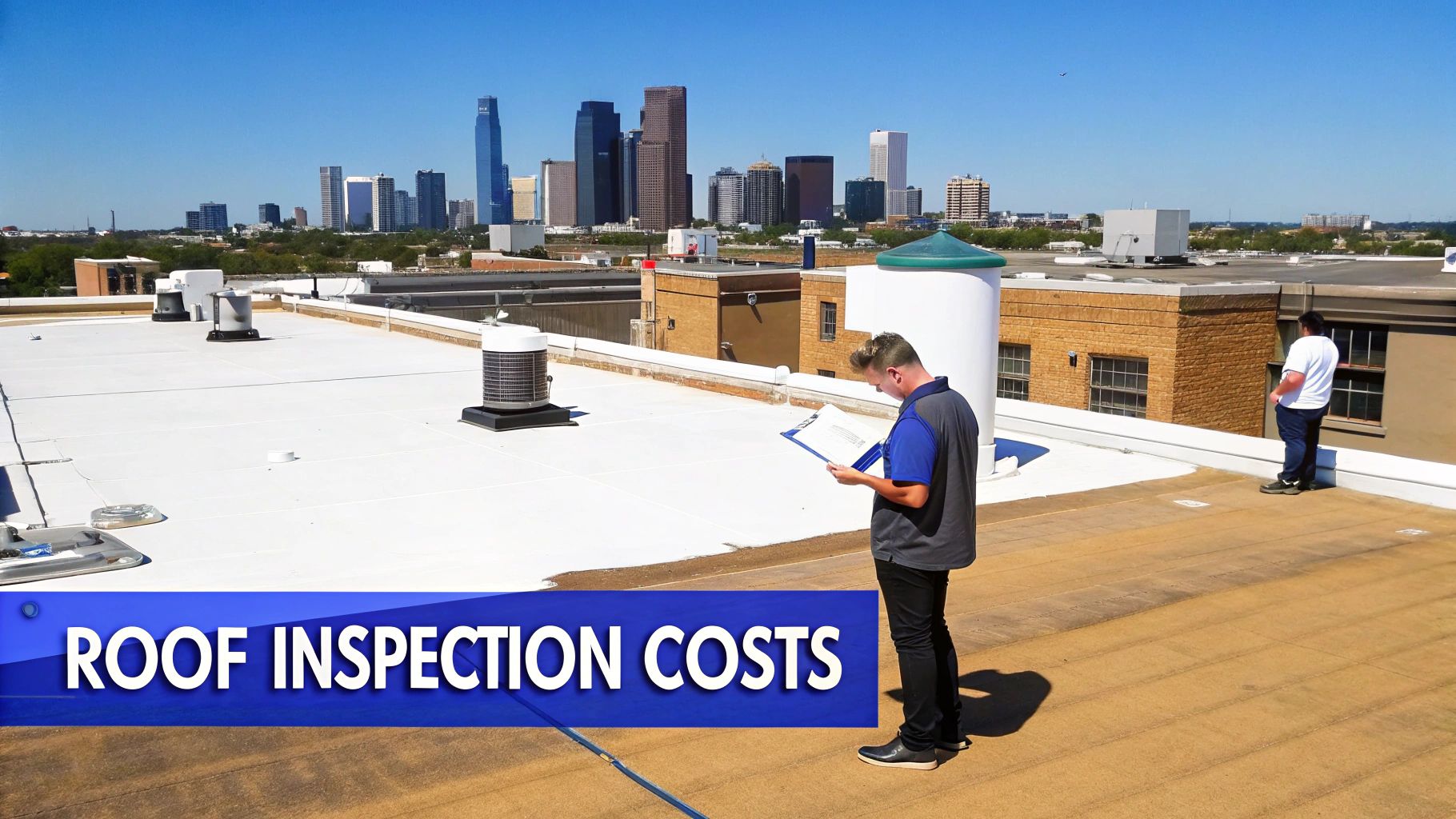
Figuring out the exact price for an inspection isn't just about pulling a number out of thin air. It's a calculated assessment based on several key factors that directly impact the time, labor, and expertise needed to do the job right. The goal isn't just to find existing leaks; it's about spotting potential vulnerabilities before they morph into expensive, business-halting disasters.
For any commercial property owner, knowing how these costs fit into the bigger financial picture of your investment is critical. Proactive maintenance expenses, like a thorough roof inspection, are a fundamental part of managing your asset effectively. If you're looking to get a better handle on your property's financials, a great next step is learning how to calculate cash flow on rental property to see exactly how preventative measures protect your bottom line.
National Averages and Local Memphis Pricing
While labor rates here in West Tennessee definitely shape the final price, it helps to see how our local market stacks up against the national scene. Across the country, the median cost for a commercial roof inspection was $450, with most falling in the $300 to $850 range. Digging deeper, smaller properties under 5,000 sq. ft. averaged around $300–$450, whereas massive industrial facilities over 20,000 sq. ft. often saw costs of $850–$1,200 or more.
A professional inspection is an investment in certainty. It provides a clear, documented snapshot of your roof's condition, empowering you to budget for future repairs, comply with warranty requirements, and protect the value of your entire building.
To give you a clearer idea of what to expect right here in the Memphis area, I’ve put together a simple breakdown of estimated costs. This table is a quick reference to help you gauge where your property might land on the pricing spectrum, from a basic visual check to a more advanced technological assessment.
Estimated Commercial Roof Inspection Costs In Memphis
| Property Size (Square Feet) | Standard Visual Inspection Cost | Advanced Inspection Cost (Drone/Infrared) |
|---|---|---|
| Under 5,000 sq. ft. (Small Retail) | $300 – $500 | $500 – $750 |
| 5,000 – 20,000 sq. ft. (Office Building) | $500 – $800 | $750 – $1,100 |
| Over 20,000 sq. ft. (Warehouse) | $800 – $1,200+ | $1,100 – $1,600+ |
Keep in mind, these are ballpark figures. The final quote will always depend on the unique characteristics of your specific roof, which we'll dive into next.
Key Factors That Drive Your Inspection Price
So, why isn't there a simple, flat-rate price for a commercial roof inspection? The answer is pretty straightforward: no two commercial roofs are the same. It’s best to think of it like any custom project—the final cost directly reflects the time, tools, and expertise needed for that specific job.
Once you understand what goes into the pricing, you'll see exactly what you're paying for.
The Impact of Roof Materials and Complexity
The most obvious factor is roof size. It just takes a lot longer to inspect a massive warehouse roof covering 50,000 square feet than it does a 3,000-square-foot retail storefront. More ground to cover means more seams to check, more membrane to scan, and more time on the job.
But it's about more than just square footage. The type of roofing material plays a huge role. Inspecting a straightforward, standing-seam metal roof is a very different animal than examining a complex single-ply system like TPO or EPDM. Those membrane roofs are full of seams, flashings, and penetration points—all common failure spots that demand a meticulous, up-close look.
The complexity of the roof layout is another major price driver. A simple, flat, empty roof is one thing. A roof cluttered with equipment? That's another story entirely.
- Numerous Penetrations: Every HVAC unit, vent, drain, and skylight punches a hole in the roof membrane. Each one of those spots needs to be carefully checked for solid seals and signs of wear.
- Multiple Levels: Roofs with different sections, levels, or tall parapet walls add time and complexity to the inspection.
- Drainage Systems: Complicated internal drainage systems or a high number of scuppers require a more detailed assessment than a simple sloped roof with gutters.
Each of these features adds another layer to the inspector's checklist, bumping up the time they need to spend on-site to do the job right.
A proactive inspection is one of the most effective risk-management tools available to a property owner. Identifying a small issue today can prevent a catastrophic failure tomorrow.
Accessibility and Safety Considerations
How easily—and safely—an inspector can get on your roof also factors into the cost. A single-story building with a dedicated roof hatch is no problem. But a multi-story building with a steep pitch or no easy access point? That’s going to require extra safety equipment like harnesses or even a lift, which adds both time and risk to the job.
This is where you really see the value of preventative maintenance. Regular inspections can extend a roof’s lifespan by up to 25%, making them an incredibly cost-effective strategy. The EPA reports that over 40,000 commercial roof water infiltration incidents happen every year, and many of them could have been prevented with a good inspection.
At the end of the day, all these factors come together to create a unique price for your property. To get a broader perspective on how professionals price their work, it can be helpful to look at how costs are broken down for other building maintenance jobs, like understanding pricing for commercial services. When you recognize these drivers, you're in a much better position to interpret quotes and appreciate the detailed work that goes into protecting your valuable asset.
What a Professional Inspection Actually Includes
When you pay for a commercial roof inspection, what are you actually getting for your money? It's a fair question. This isn't just about someone taking a quick walk around on top of your building. Think of it as a comprehensive physical for your property's most critical asset—a systematic deep dive designed to spot trouble long before it becomes a catastrophe.
A qualified inspector isn't just looking for the obvious leaks everyone can see. Their job is to methodically evaluate the entire roofing system to find weak spots, signs of premature aging, and potential points of failure. This proactive approach is exactly what keeps you from dealing with disruptive, budget-breaking repairs down the road.
The Anatomy of a Thorough Roof Assessment
A proper inspection follows a structured path, making sure every single component gets scrutinized. From the vast expanse of the main roof surface down to the smallest sealant bead, each element tells part of the story about your roof's health. The end goal is to build a complete, accurate picture of its current condition.
Here’s a breakdown of what a comprehensive inspection really covers:
- Surface and Membrane Evaluation: The inspector will meticulously walk the entire roof, checking for common signs of wear and tear. On membrane roofs like TPO or EPDM, that means looking for blisters, cracks, punctures, or seams that are starting to pull apart. For metal roofs, they’re hunting for rust, loose fasteners, and dented or damaged panels.
- Drainage System Check: They'll examine every drain, scupper, and gutter to make sure they're clear of debris and actually working. Ponding water is a massive red flag. Even a small amount of standing water signals a drainage problem and adds an incredible amount of stress to the roof structure.
- Penetrations and Flashing Inspection: Here’s a startling fact: an estimated 90% of all roof leaks happen where something pokes through the roof membrane. Inspectors zero in on the seals around HVAC units, vents, pipes, and skylights, looking for failing caulk or gaps in the flashing that are just inviting water inside.
Documenting and Reporting Findings
Once the hands-on examination is over, the work isn't finished. The final—and arguably most crucial—step is translating those findings into a clear, actionable report. This document becomes your roadmap for maintenance, repairs, and future budgeting.
A detailed inspection report provides the tangible evidence you need to make informed decisions. It transforms guesswork into a strategic plan, helping you prioritize repairs, forecast capital expenditures, and maintain warranty compliance.
The report should be loaded with high-resolution photos of any trouble spots, a straightforward description of each issue, and prioritized recommendations for what to do next. This documentation is invaluable for insurance claims or when you're planning future capital projects. To see how these pieces fit into a larger property evaluation, you can explore a detailed commercial building inspection checklist and understand the full scope of what's involved. This level of detail ensures you're not just paying for a service—you're investing in the long-term protection of your asset.
Decoding Advanced Inspection Methods and Their Costs
While a traditional, hands-on visual inspection gives us a solid baseline, modern technology lets us take a much deeper look into your roof's health. Think of it like the difference between a routine check-up and getting an MRI. Both are useful, but these advanced methods can spot hidden problems totally invisible to the naked eye.
These high-tech inspections do come with a higher price tag, but for certain situations, they are an essential investment. Knowing when to opt for a more advanced assessment helps you put your maintenance budget where it matters most, ensuring you only pay for the diagnostic tools you actually need.
This flowchart lays out a simple decision-making process to help you figure out if an advanced inspection is the right call for your property.
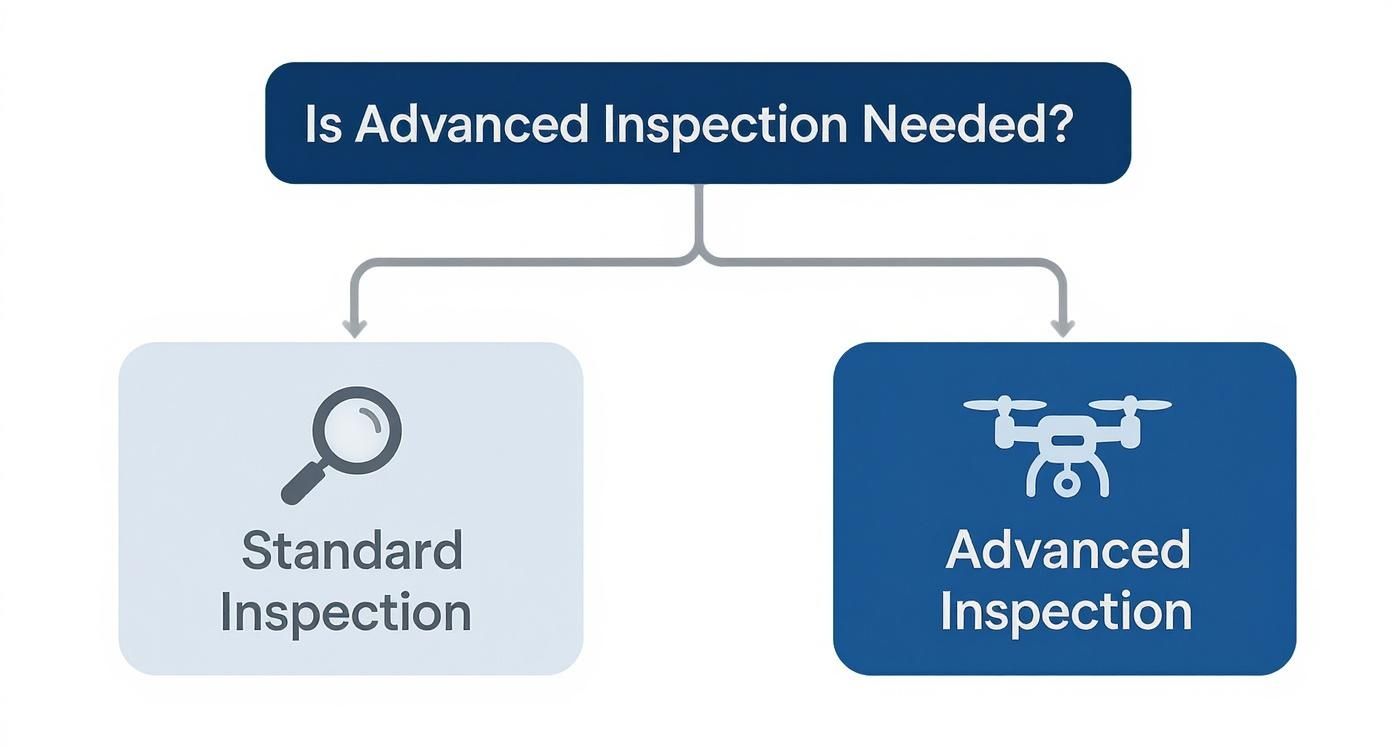
The key takeaway here? If you're dealing with persistent issues, preparing for a property sale, or have major safety concerns, it's probably time to bring in the heavy-duty tech.
Drone Inspections for Safety and Detail
For large, steep, or otherwise hard-to-access commercial roofs, a drone inspection is a true game-changer. Drones give us a safe and incredibly efficient way to capture high-resolution images and video of every single square inch of your roof—without putting an inspector in a risky situation.
This method is especially useful for:
- Large Warehouses: We can cover massive surface areas in a fraction of the time it would take to inspect on foot.
- Steeply Pitched Roofs: It completely removes the need for complex and expensive safety rigging.
- Detailed Documentation: We can create a comprehensive visual record perfect for insurance claims or tracking the roof's condition over time.
The added technology and the need for a certified pilot mean drone inspections cost a bit more than a standard walk-through. But when you factor in the safety benefits and the incredible level of detail, the expense is often well worth it.
Infrared Scans: The X-Ray for Your Roof
An infrared, or thermal, inspection is basically an X-ray for your roof. We use a special camera to see temperature differences across the roof's surface. Because wet insulation holds onto heat longer than dry insulation, any trapped moisture shows up as clear hot spots on the thermal image right after the sun goes down.
An infrared scan doesn't just find a leak; it finds the source and the extent of the moisture hidden beneath the roof membrane. This allows for surgical repairs instead of widespread, costly guesswork.
This tool is invaluable when you're chasing down a mysterious, persistent leak or trying to figure out the full scope of water damage after a storm. By pinpointing the exact saturated areas, you can avoid tearing out and replacing sections of the roof that are still perfectly fine. You can learn more about how thermal imaging makes inspections better in our detailed guide on the topic.
Comparing Advanced Inspection Costs
Naturally, bringing in this kind of sophisticated equipment and expertise will affect the final commercial roof inspection cost. A standard physical inspection might run between $250 and $500, but adding these advanced tools will increase the price.
Using a drone for safer access and high-resolution imaging can push the average cost into the $350–$650 range. For infrared inspections, which use thermal imaging to find those hidden leaks, you're looking at a more specialized service that typically costs between $500 and $800.
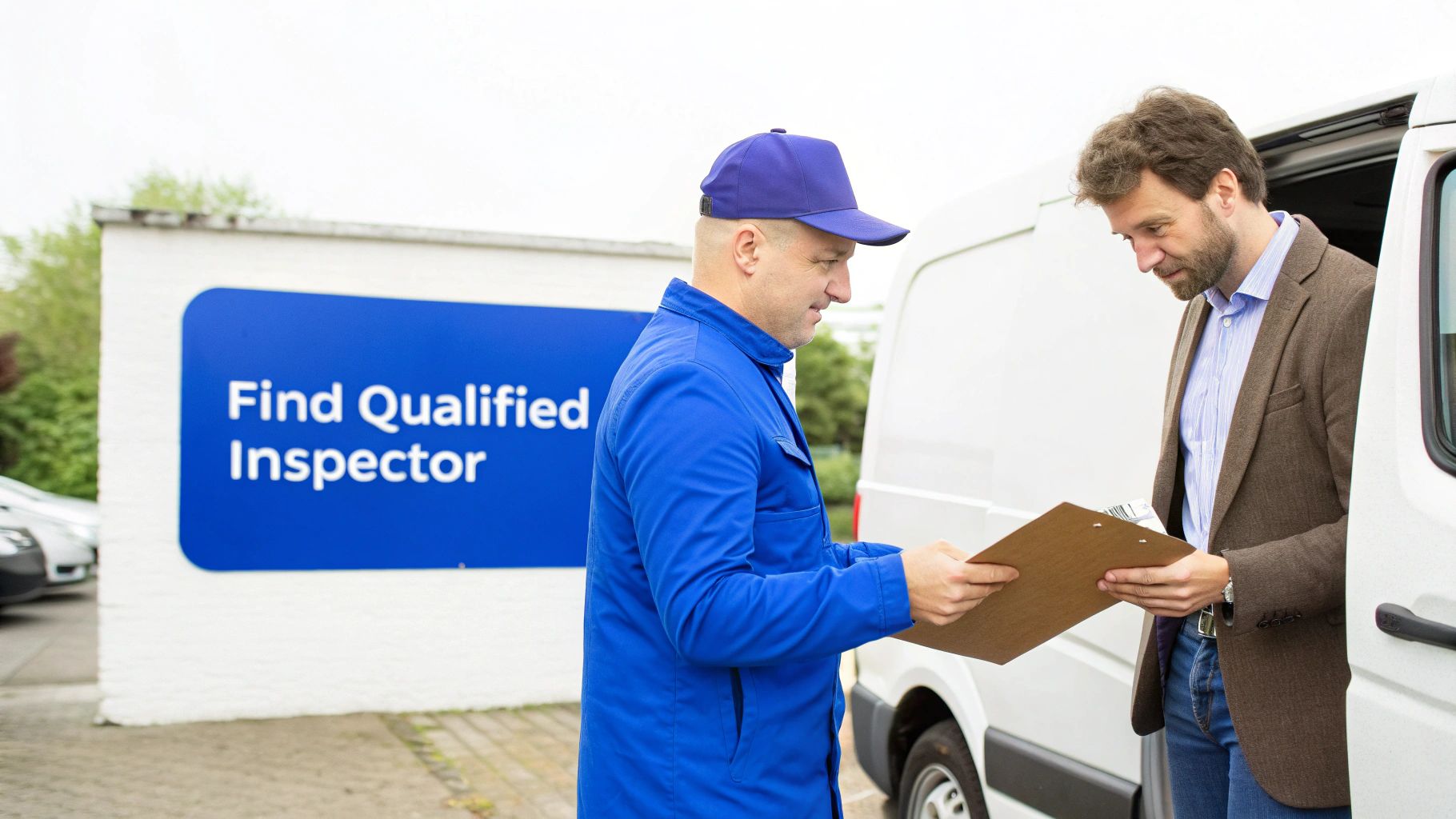
Finding a Qualified Inspector in Memphis
Getting a fair price on your commercial roof inspection is one thing, but choosing the right inspector is what truly matters. Let’s be clear: a lowball quote from someone unqualified isn’t a bargain—it's a massive liability waiting to happen. The real goal is to find a professional who delivers genuine insight that protects your investment, not just the person with the cheapest price tag.
When you start gathering quotes, make sure you're comparing apples to apples. Give every potential inspector the same details about your property and ask for a detailed, line-item proposal. This simple step cuts through vague estimates and forces them to show you exactly what their inspection process covers. A true pro will have no problem providing a clear, comprehensive bid.
Spotting a Professional From a Problem
Trying to hire the right person can feel like a chore, but it gets a lot easier when you know what to look for. Think of it as separating the "green flags" from the "red flags." A reputable inspector will be proud to show you their qualifications, while a questionable one often falls back on pressure tactics and fuzzy promises.
The core principles for vetting a professional are pretty consistent, whether you're looking at a commercial roof or a residential property. In fact, you can see how the same logic applies when choosing your Memphis home inspector with confidence.
To make it even simpler, here’s a quick comparison to help you identify a trustworthy expert and dodge the headaches.
Choosing Your Roofing Inspector: Green Flags vs. Red Flags
This table breaks down what separates a reliable professional from a risky gamble. Keep these points in mind as you vet potential inspectors for your property.
| Green Flags (What to Look For) | Red Flags (What to Avoid) |
|---|---|
| Clear Licensing & Insurance: Willingly provides proof of Tennessee licensure and both general liability and workers' comp insurance. | Vague Credentials: Hesitates, deflects, or can't produce proof of insurance or proper licensing for commercial work. |
| Detailed, Written Reports: Delivers a comprehensive report with high-resolution photos, clear descriptions of findings, and actionable recommendations. | Verbal-Only Assessments: Offers only a verbal summary or a basic one-page invoice with no detailed findings or photographic evidence. |
| Local Reputation & References: Has a solid local presence with positive reviews online and can provide references from other Memphis-area businesses. | High-Pressure Sales Tactics: Pushes for an immediate "yes" or tries to upsell you on major repairs before the full assessment is even complete. |
| Transparent, Itemized Pricing: Provides a clear quote that breaks down the commercial roof inspection cost without any hidden fees or surprise charges. | Unusually Low "Free" Offers: Dangles a "free" inspection as a sales tool to aggressively push for an expensive replacement or repair contract. |
Ultimately, finding the right inspector isn't just about getting a report; it's about gaining peace of mind. Investing a little extra time and diligence to find a qualified, local professional is the smartest long-term decision you can make for the health of your commercial property.
Still Have Questions? We've Got Answers.
Even after breaking down the costs and what goes into a solid inspection, you probably still have a few things on your mind. That’s perfectly normal. This is a big investment, after all.
Let's tackle some of the most common questions we hear from property owners right here in the Memphis area.
How Often Should I Get My Commercial Roof Inspected?
For most commercial buildings here in West Tennessee, the magic number is two. We strongly recommend biannual inspections—one in the spring and another in the fall.
A spring checkup lets us catch and fix any damage from winter ice and wind before the heavy spring rains start. Then, a fall inspection gets your roof ready for the cold, making sure drains are clear and everything is sealed tight for potential snow and ice. Simple preventative care.
Of course, all bets are off after a major storm. If a nasty hailstorm, high winds, or a tornado rolls through the area, you need an inspection right away. That kind of weather can cause damage you simply can't see from the ground, and a quick post-storm check can stop a small puncture from becoming a catastrophic leak.
Can a Roof Inspection Lower My Insurance Premiums?
This is a great question. While an inspection report isn't a magical discount coupon, it can absolutely help your case with your insurance carrier.
Insurers love to see proactive risk management. When you have a documented history of regular, professional roof inspections and you've taken care of repairs promptly, it shows them you're serious about protecting your asset. This reduces the likelihood of them having to pay out on a massive claim down the road.
Think of it this way: A clean bill of health from a certified inspector is powerful evidence. It shows your insurance company that your property is well-maintained, which can lead to better rates at renewal time or a much, much smoother claims process if damage does occur.
If a storm hits, being able to prove your roof was in great shape beforehand strengthens your claim for any new damage. It removes any ambiguity and helps you get what you're owed.
What Is the Difference Between an Inspection and a Certification?
This one trips a lot of people up, but the distinction is really important. An inspection and a certification are two different tools for two very different jobs.
- A Roof Inspection: This is all about the now. It's a detailed, top-to-bottom assessment of your roof's current condition. The whole point is to find existing problems, identify areas that could fail soon, and map out what maintenance or repairs are needed. The deliverable is a report that gives you a snapshot of your roof's health today.
- A Roof Certification: This is about the future. It’s a formal document where a roofing professional, after doing an inspection, states that they believe the roof will last for a certain period—often 1 to 5 years. They are "certifying" its expected lifespan, assuming no major events happen.
You'll almost always see certifications pop up during real estate deals. A buyer might want one for peace of mind about the roof's condition, or a seller might get one to make their property more appealing. The key takeaway is that an inspection diagnoses today's problems, while a certification is a professional opinion on tomorrow's performance.
Understanding your commercial roof is the first step toward protecting your investment. For a thorough, professional evaluation of your Memphis-area property, trust the certified experts at Upchurch Inspection. Schedule your inspection today and gain the peace of mind that comes with knowing your property is in good hands. Find out more at https://upchurchinspection.com.