
Yard drains are supposed to be boring.
Water goes in. Water comes out somewhere downhill. End of story.
But when they don’t work — and a lot of them don’t — the symptoms show up everywhere except where the problem actually is.
That’s why I don’t trust surface appearances. I trust cameras.
Why Yard Drains Fail Quietly
Underground drainage systems don’t announce failure with drips or leaks you can see.
They fail by:
- Filling with sediment
- Collapsing underground
- Separating at joints
- Filling with roots
- Holding standing water instead of moving it
From the surface, everything can look “fine.” Meanwhile, water is backing up underground with nowhere to go.
A Real Inspection Where the Yard Looked Fine — Until It Didn’t
We inspected a home in the Mt. Juliet area where the yard looked well graded. No obvious ponding. Seller said drainage had “never been an issue.”
Camera said otherwise.
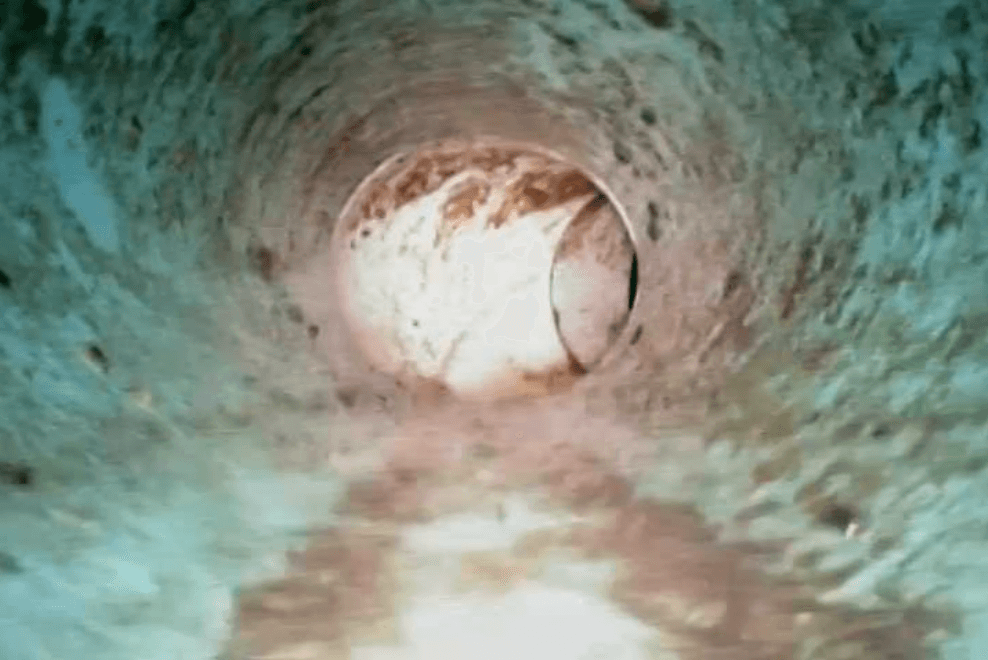
The yard drain line had collapsed about fifteen feet from the inlet. Water entered the system and immediately stopped moving. During heavy rain, it backed up and saturated the soil near the foundation.
The problem wasn’t grading. It was the pipe no one could see.
Why Standing Water Is the Enemy
Drainage pipes are supposed to move water, not store it.
When water sits in a buried pipe:
- Soil stays saturated
- Pressure builds against foundations
- Crawlspaces stay damp
- Slabs heave or settle unevenly
I’ve reviewed inspection reports from one of our inspectors in the Little Rock area where chronic foundation movement traced back to a yard drain belly that held water year-round.
No puddles above ground. Big problems below.
Roots Always Find the Pipe
Tree roots don’t crush pipes randomly. They follow moisture.
Even small cracks or poor joints become entry points. Once roots get in:
- They grow fast
- They catch debris
- They block flow
- They widen openings
Cutting roots helps temporarily. It doesn’t fix the pipe.
Why “It Drains Eventually” Isn’t Good Enough
I hear this a lot:
“It drains… just slowly.”
Slow drainage usually means partial blockage or improper slope. Both get worse with time.
During heavy storms, slow becomes not at all.
That’s when water looks for a new path — often toward your house.
What a Proper Drain Camera Inspection Shows
A sewer camera lets us see:
- Pipe material
- Joint condition
- Cracks or collapses
- Bellies holding water
- Root intrusion
- Termination point
Without that, you’re guessing. And guessing with water rarely ends well.
Where I See the Worst Problems
Yard drain issues show up most often:
- In newer subdivisions with rushed installs
- Where flexible corrugated pipe was used
- In areas with clay soil
- Near mature trees
- Where pipes daylight into wooded areas
I’ve seen systems in West Tennessee that were never connected to an outlet at all. They just ended underground.
What Buyers Should Understand
Underground drainage repairs can range from simple to expensive — depending on what’s wrong and how accessible it is.
But ignoring a failing system doesn’t make it cheaper. It just lets water keep doing damage quietly.
The Inspector’s Bottom Line
Water always finds the path of least resistance.
If your yard drains aren’t moving water away from the house efficiently, that water is doing something else — soaking soil, pressurizing foundations, or feeding crawlspace moisture.
A camera takes the mystery out of it. And when it comes to underground drainage, removing the mystery is half the battle.