Bigger feels safer to a lot of people.
More tonnage. More capacity. More “headroom.”
In HVAC, that mindset causes more problems than it solves.
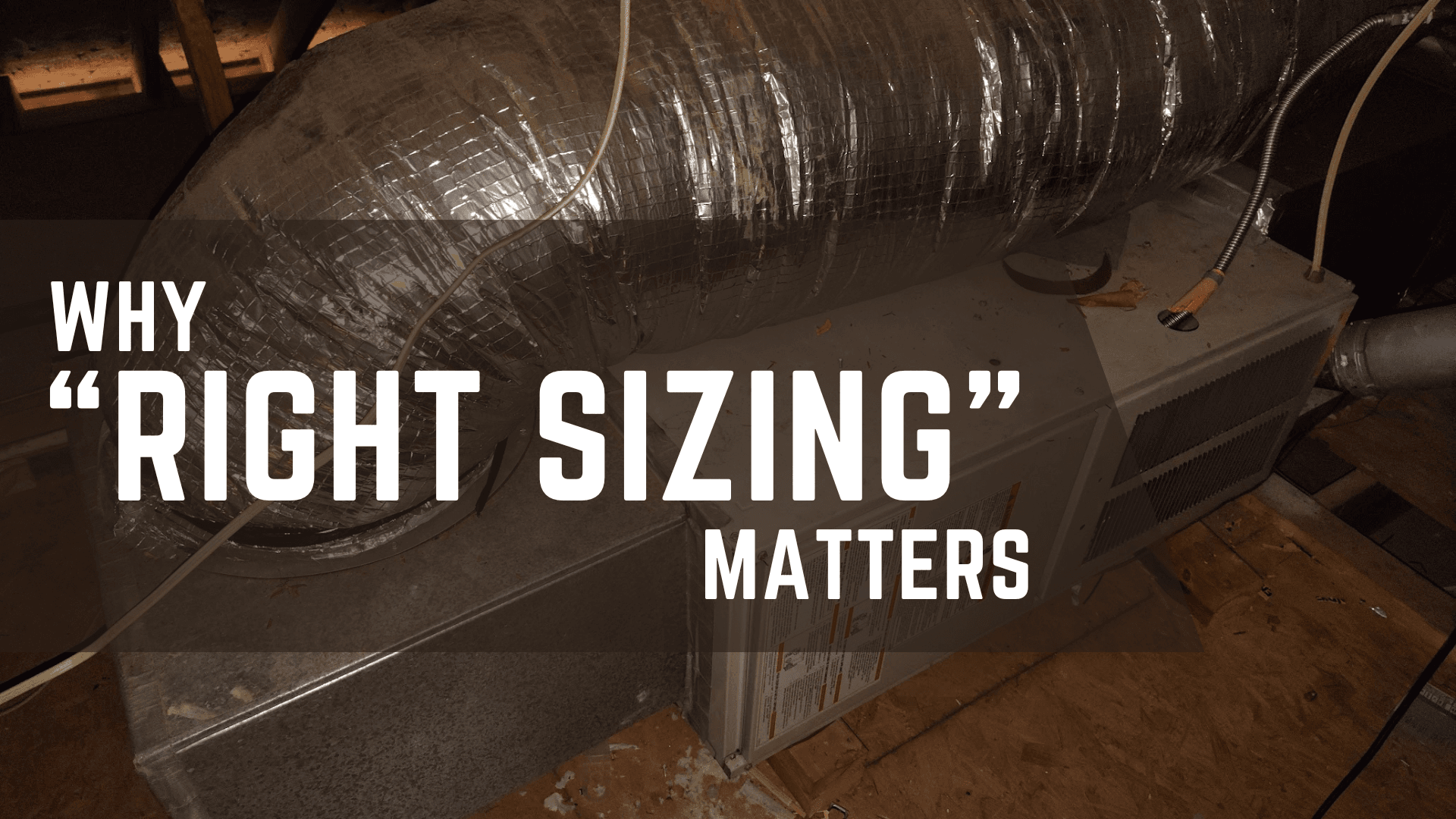
I’ve inspected plenty of homes where the AC system was technically powerful enough — and functionally wrong for the house.
Why Oversizing Happens
Oversized systems usually aren’t an accident.
They come from:
- Rule-of-thumb sizing
- Sales-driven recommendations
- Fear of callbacks
- Poor load calculations
- “Let’s go one size up just in case” thinking
That “just in case” decision costs homeowners for years.
A Real Inspection Where Bigger Was Worse
I inspected a business in Hernando where the AC cooled the building fast — too fast.
The thermostat satisfied in minutes, shut the system down, and left humidity behind. Delta-T numbers looked fine at first glance, but run times were extremely short.
By the time I checked humidity levels, the property felt cool and clammy at the same time.
That system wasn’t removing moisture. It was sprinting, not running.
What Oversized Systems Actually Do Wrong
An oversized AC:
- Short-cycles
- Fails to dehumidify properly
- Wears components faster
- Creates temperature swings
- Uses more energy than expected
I’ve seen brand-new systems in Southaven that were oversized by half a ton and already showing signs of stress within a few summers.
Why Humidity Is the Real Enemy Here
In the Mid-South, cooling isn’t just about temperature — it’s about moisture.
Longer run times help remove humidity. Oversized systems don’t run long enough to do that effectively.
That leads to:
- Sticky indoor air
- Mold-friendly conditions
- Comfort complaints despite “cold” air
- Higher perceived temperatures
I’ve had buyers tell me, “The AC works great, it just never feels comfortable.” That’s almost always a sizing issue.
Why Bigger Doesn’t Mean More Efficient
Efficiency ratings assume proper sizing.
Oversized systems:
- Cycle more frequently
- Lose efficiency at startup
- Stress compressors and electronics
- Don’t achieve rated performance
In Collierville, we inspected a home where a high-SEER unit underperformed because it was simply too big for the house.
How I Evaluate Sizing During an Inspection
I don’t calculate a full load during a standard inspection — but I look for red flags.
I evaluate:
- Run time behavior
- Temperature consistency
- Humidity control
- Duct sizing relative to equipment
- System history and replacement timing
When the clues line up, oversizing becomes obvious.
What Buyers Should Know
An oversized system isn’t a win.
It often means:
- Higher bills
- Lower comfort
- Shorter equipment life
- More repairs
Fixing it usually means resizing — not just replacing.
The Inspector’s Bottom Line
Right-sizing is about balance, not brute force.
The best HVAC systems don’t blast cold air and shut off. They run steady, quietly, and keep both temperature and humidity under control.
When bigger is chosen over smarter, comfort pays the price.