
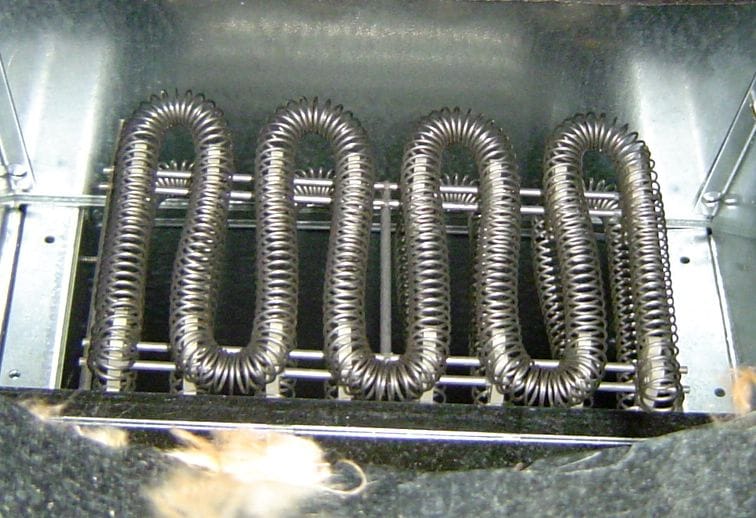
If I see electric heat strips tied into a heat pump system, I slow way down — because this is one of the easiest ways homeowners get absolutely wrecked on their power bill without realizing why.
Emergency heat sounds harmless. Necessary, even.
In reality, it’s one of the most expensive forms of heat you can use in a house.
What Electric Heat Strips Actually Are
Electric heat strips are basically giant toaster coils inside your air handler. No combustion. No magic. Just raw electrical resistance heat.
They exist to:
- Supplement a heat pump during extreme cold
- Provide backup if the heat pump fails
- Assist during defrost cycles
They are not meant to be your primary heat source.
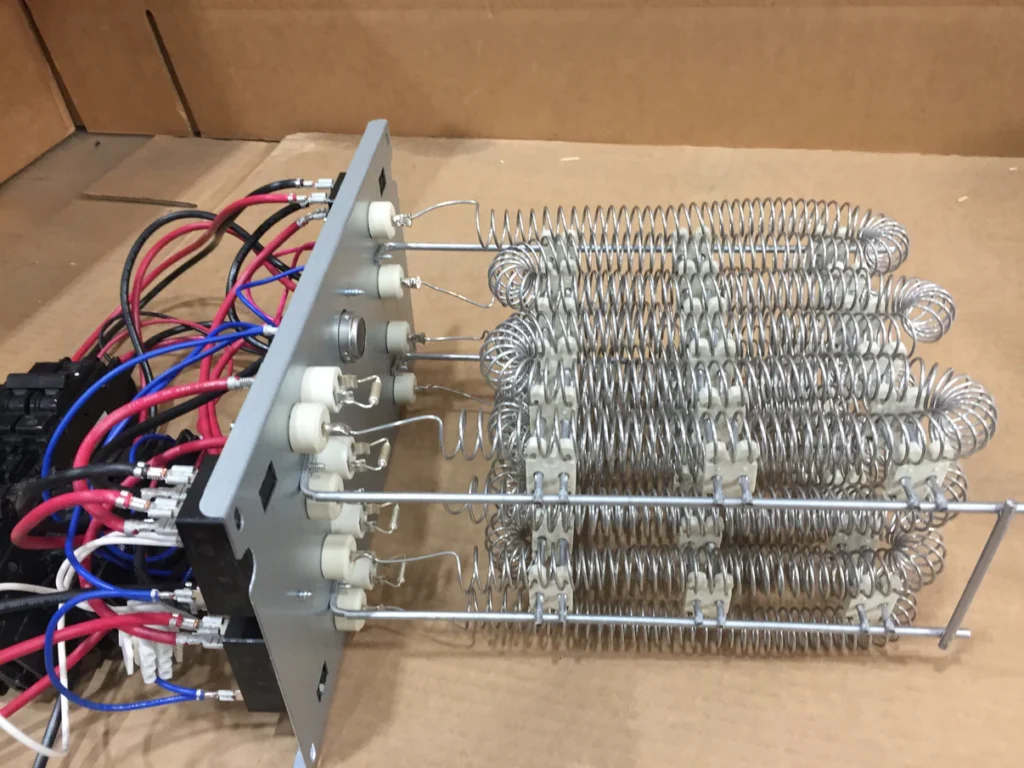
A Real Inspection Where the Bill Made Sense
I inspected a home in Millington where the buyer said winter power bills were “unexplainably high.” House wasn’t huge. System wasn’t old.
Checked the thermostat settings and immediately saw the issue.
The system was set to kick on auxiliary heat almost constantly. The heat pump barely had a chance to run by itself. Every call for heat was firing the strips.
That home wasn’t being heated — it was being electrified.
Why Emergency Heat Gets Used Accidentally
Most homeowners don’t intentionally turn on emergency heat. It usually happens because:
- The thermostat is configured wrong
- The outdoor unit isn’t performing well
- Defrost cycles are mismanaged
- Sensors are faulty
- Installers set conservative lockout temps
I’ve seen thermostats where emergency heat came on anytime the temperature dropped below 40 degrees. That’s insane for this climate.
What I Look For During an Inspection
When heat strips are present, I check:
- Thermostat configuration
- Outdoor temperature lockout settings
- System staging behavior
- Breaker sizing and labeling
- Evidence of frequent strip activation
I’ve opened panels in Cordova where the heat strip breakers were warm to the touch — a clear sign they were running far more than intended.
Why Heat Strips Are So Expensive
Here’s the part no one explains clearly.
Heat pumps move heat. Electric strips create heat.
Creating heat with electricity is brutally inefficient. When strips run, your meter spins like a slot machine on a hot streak.
I’ve seen:
- Utility bills double
- Systems sized correctly still bankrupt owners
- Homes heated comfortably at an outrageous cost
All because strips were doing work they shouldn’t.
The Comfort Lie
Electric heat feels warm fast — which tricks people into thinking it’s working better.
But fast heat isn’t good heat. It’s expensive heat.
Meanwhile, the heat pump — the efficient part — sits idle.
Why I Flag This for Buyers
If I see heat strips running when they shouldn’t, that’s not a small note.
It means:
- Configuration issues
- Potential equipment problems
- Higher ongoing operating costs
And it’s usually fixable — but only if someone notices.
The Inspector’s Bottom Line
Emergency heat should be rare. Brief. Intentional.
If your system relies on electric heat strips day-to-day, something is wrong — and your power company knows it even if you don’t.
That’s why I pay attention to how systems heat, not just whether they do.