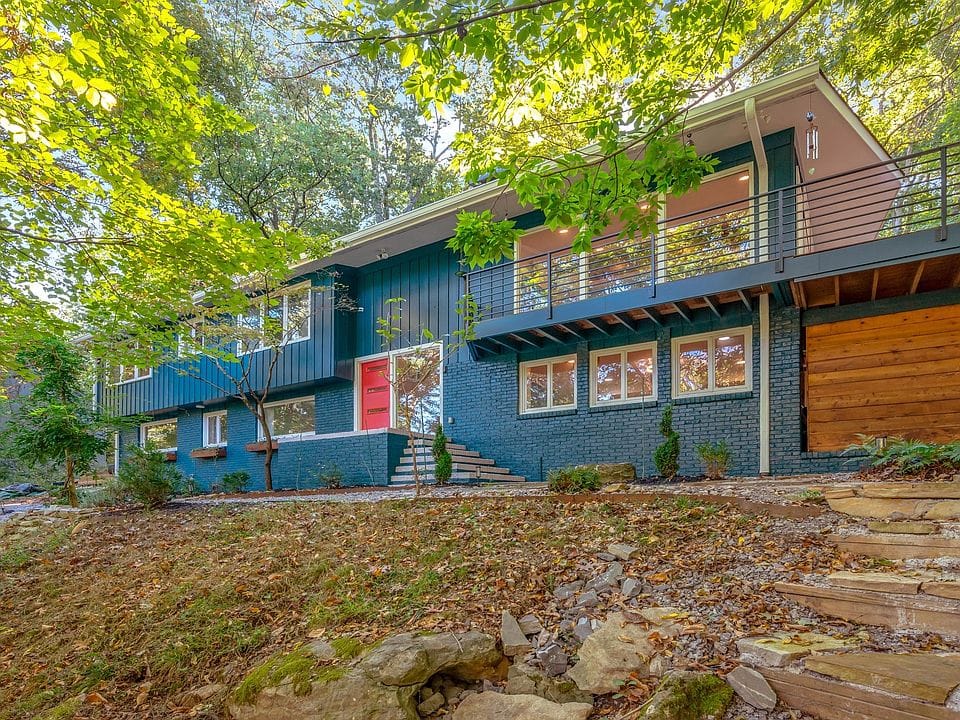
Split-level and ranch-style homes are common throughout Nashville and nearby communities like Mount Juliet, Hermitage, Hendersonville, Franklin, and Smyrna. Many of these homes were built during periods of rapid growth and reflect construction practices that were efficient for their time. While these layouts are popular for their functionality, inspections tend to reveal a consistent set of issues tied to design, age, and how these homes have been modified over the years.
Floor Level Changes That Affect Structure and Drainage
Split-level homes, in particular, introduce multiple floor elevations over short distances. This design can create unique stress points in framing and foundations.
Inspectors often observe:
- Minor floor slope or uneven transitions between levels
- Cracking at stair landings or adjacent walls
- Settlement patterns concentrated at split elevations
- Added supports in crawlspaces beneath stepped areas
These conditions are often longstanding, but understanding how loads transfer through the structure is important when evaluating stability.
Crawlspace and Lower-Level Moisture Concerns
Many ranch and split-level homes around Nashville include crawlspaces or partially below-grade lower levels. Moisture management in these areas is a recurring inspection theme.
Common findings include:
- Elevated humidity beneath the home
- Water intrusion at lower-level walls
- Inadequate drainage near stepped foundations
- Insulation deterioration near grade transitions
Middle Tennessee’s rainfall patterns make proper grading and drainage especially important for these designs.
HVAC Layout Challenges in Multi-Level Designs
Heating and cooling split-level homes effectively can be challenging, especially when systems were not designed with balanced airflow in mind.
Inspectors frequently note:
- Temperature differences between upper and lower levels
- Limited return air on lower floors
- Ductwork added over time without rebalancing
- Condensation concerns near supply registers
Even when equipment is newer, performance issues often stem from original layout limitations rather than system age.
Electrical Systems Reflecting Incremental Updates
Many of these homes have electrical systems that were updated in stages as needs changed. Panels may be newer, while portions of the original wiring remain in service.
Typical observations include:
- Mixed wiring methods
- Ungrounded outlets in certain areas
- Added circuits serving lower-level renovations
- Inconsistent labeling or modifications
Understanding where updates stop is key to evaluating overall system condition.
Rooflines and Flashing at Multiple Elevations
Split-level homes often include complex rooflines with multiple slopes and transitions. These areas deserve close attention during inspections.
Inspectors commonly find:
- Flashing details at roof intersections that have aged poorly
- Sealants that have deteriorated at elevation changes
- Gutters that struggle to manage runoff effectively
- Signs of past moisture intrusion near transitions
These details may not be obvious from the ground but can influence long-term roof performance.
Lower-Level Living Spaces and Egress Concerns
Finished lower levels are common in split-level homes, but they sometimes introduce safety and functionality considerations.
Inspectors often evaluate:
- Emergency egress compliance
- Ceiling height limitations
- Moisture-related conditions behind finishes
- Electrical and HVAC modifications tied to finished spaces
These areas can add usable square footage but require careful inspection due to their location and history of modification.
Exterior Grading Around Stepped Foundations
The exterior of split-level homes often includes multiple foundation elevations, which can complicate drainage.
Common issues include:
- Soil sloping toward lower-level walls
- Downspouts discharging near stepped foundations
- Settled backfill creating low spots
- Limited drainage paths during heavy rainfall
Exterior water management plays a major role in preventing interior moisture issues.
Why These Layouts Benefit From Local Inspection Experience
Split-level and ranch homes around Nashville share many regional characteristics tied to soil behavior, construction era, and climate. Inspectors familiar with Middle Tennessee housing trends are better equipped to recognize which conditions are typical for these designs and which deserve closer evaluation.
That familiarity helps ensure inspection findings are accurate, balanced, and grounded in local context rather than assumption.