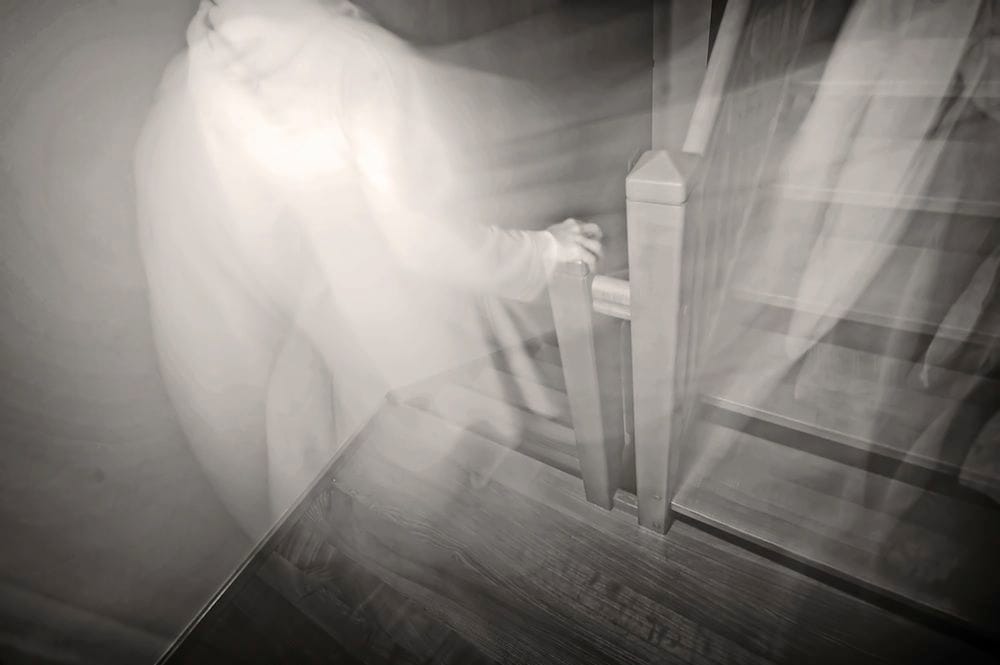
Many experiences described as “paranormal” occur in perfectly ordinary buildings under very specific conditions. Temperature changes, sounds, lighting effects, and environmental influences can combine in ways that feel unsettling—especially when the source is not immediately obvious. From an inspection standpoint, the goal is not to dismiss experiences, but to evaluate whether building-related or environmental factors may be contributing.
Across homes in the Mid-South—particularly older properties or homes with complex layouts—these factors account for a significant number of unexplained reports.
Sound Transmission and Structural Movement
Buildings make noise. As materials expand and contract with temperature and humidity changes, sounds can travel through framing, ductwork, and plumbing.
Common sources include:
- Wood framing movement as temperatures change
- Duct expansion or contraction during HVAC operation
- Water hammer or pipe movement
- Floor systems transferring sound between levels
In quiet homes, these sounds may seem amplified or directional, leading occupants to perceive movement where none exists.
Infrasound and Low-Frequency Vibration
Low-frequency sound waves—often below the threshold of conscious hearing—can cause physical sensations such as unease, pressure, or chills. Infrasound may originate from:
- Mechanical equipment
- HVAC systems
- Nearby traffic or industrial sources
- Wind interacting with building openings
These frequencies can affect how people perceive a space without producing a recognizable sound.
Temperature Differentials and Air Movement
Sudden temperature changes or unexplained drafts are another common trigger for reported experiences. Buildings naturally create pressure differences that influence airflow.
Contributing factors include:
- Stack effect in multi-level homes
- Poor air sealing
- Crawlspace or attic air intrusion
- HVAC imbalance between rooms
These air movements can create cold spots or temperature shifts that feel unusual when they occur unexpectedly.
Electrical and Electromagnetic Interference
Electrical systems and electronic devices can produce electromagnetic fields (EMFs) that interfere with sensors, lighting, or personal electronics. While EMFs are not paranormal in nature, they can create unusual effects such as:
- Flickering lights
- Electronic interference
- Sensations of discomfort in rare cases
Improper grounding or aging electrical systems may contribute to these conditions, particularly in older homes.
Lighting, Reflection, and Visual Perception
Visual experiences are heavily influenced by lighting conditions and angles. Shadows, reflections, and changes in natural light can create the impression of movement or presence.
Common contributors include:
- Passing headlights or outdoor lighting
- Reflective surfaces such as glass or polished finishes
- Light passing through windows at certain times of day
- Changes in artificial lighting cycles
In dim or unfamiliar environments, these effects can feel more pronounced.
Indoor Air Quality and Environmental Conditions
Air quality factors such as elevated humidity, odors, or contaminants can influence how people feel within a space. Headaches, dizziness, or discomfort may heighten sensitivity to environmental changes.
Moisture-related issues, poor ventilation, or chemical off-gassing can all contribute to sensations that feel abnormal without an obvious cause.
Why Older Homes Are More Susceptible
Homes built decades ago—common in areas like Memphis, Jackson (TN), Cape Girardeau, and Elizabethtown—often include construction methods and materials that behave differently than modern systems.
Combined with aging infrastructure, these homes may produce sounds, air movement, and lighting conditions that feel unpredictable, especially to new occupants.
The Inspector’s Role in Evaluation
Inspectors do not attribute causes to paranormal phenomena. Their role is to:
- Observe and document environmental conditions
- Identify building-related contributors
- Explain how ordinary systems may produce unusual effects
- Recommend further evaluation when warranted
This approach replaces speculation with evidence-based evaluation.
Final Thoughts
Many experiences labeled as paranormal have explanations rooted in building science, environmental conditions, and human perception. Understanding these factors helps demystify unexplained sensations and brings clarity to situations that initially feel unsettling.
A structured, environmental-first evaluation respects client concerns while keeping conclusions grounded in observable conditions and professional standards.
Why Some Clients Request Paranormal Inspections During Real Estate Transactions
Paranormal inspections are most often requested during real estate transactions—not because buyers are seeking confirmation of supernatural activity, but because uncertainty creates hesitation. When a home has a reputation, a history, or unexplained experiences reported by occupants, buyers sometimes want those concerns addressed before committing to a purchase.
Handled properly, paranormal inspections serve a practical purpose: documentation, clarification, and peace of mind.
Uncertainty Can Affect Buyer Confidence
Buying a home is both a financial and emotional decision. When a buyer encounters unexplained noises, sensations, or stories tied to a property, it can introduce doubt—even if the concern feels difficult to articulate.
In real estate transactions, uncertainty itself becomes a risk. Paranormal inspections are often requested as a way to:
- Address lingering concerns before closing
- Replace assumptions with documented observations
- Avoid post-purchase regret tied to unanswered questions
The service is about resolving uncertainty, not validating beliefs.
Homes With History or Prior Occupant Reports
Some properties come with known histories that influence buyer perception. These may include:
- Long-vacant homes
- Historic properties
- Homes where prior occupants reported unusual experiences
- Properties associated with emotionally significant events
In areas with older housing stock—such as communities within an hour of Memphis, Jackson (TN), Cape Girardeau, or Elizabethtown—buyers are more likely to encounter homes with long, well-known histories.
A paranormal inspection helps address concerns objectively, without speculation.
When Disclosure and Rumors Enter the Conversation
In some cases, buyers learn about a property’s reputation through informal channels rather than official disclosures. Neighbors, online posts, or prior listings can introduce narratives that affect perception.
While these accounts are not technical defects, they can still influence a buyer’s comfort level. A structured inspection helps shift the conversation away from rumor and toward documented conditions.
The Role of Peace of Mind in Transactions
Peace of mind is a legitimate consideration during a home purchase. Buyers routinely request inspections for systems that may be functioning adequately simply to reduce risk.
Paranormal inspections function similarly by:
- Acknowledging client concerns without reinforcing assumptions
- Providing a calm, methodical evaluation
- Documenting observable conditions for the buyer’s records
In many cases, the inspection confirms that no unusual environmental or building-related contributors are present, allowing buyers to move forward with confidence.
Not a Replacement for a Home Inspection
Paranormal inspections are never a substitute for a standard home inspection. In fact, they are most effective after a general inspection has already evaluated the home’s major systems.
When building-related explanations exist, they are addressed through traditional inspection findings or referrals to qualified professionals.
How Inspectors Maintain Professional Boundaries
Inspectors do not make claims about paranormal causes. Their role during these inspections is limited to:
- Observing and documenting reported conditions
- Evaluating environmental and building-related factors
- Explaining possible non-paranormal contributors
- Providing clear disclaimers about scope and limitations
This keeps the service professional, objective, and appropriate for a real estate context.
Why These Inspections Are Rare—but Purposeful
Paranormal inspections are not common, nor are they marketed broadly. They are offered selectively for clients who specifically request them and understand their scope.
When performed responsibly, they do not detract from an inspection company’s credibility. Instead, they demonstrate an ability to address client concerns calmly and professionally—without sensationalism.
Final Thoughts
Paranormal inspections during real estate transactions are about addressing uncertainty, not proving anything extraordinary. They provide documentation, context, and clarity for buyers who want to move forward without unanswered questions.
When handled within clearly defined boundaries, these inspections support informed decision-making and reinforce a professional commitment to client confidence—without compromising technical integrity or expertise.