Seeing a “high” radon result on a test report can be alarming, especially for homebuyers encountering radon information for the first time. In reality, an elevated radon reading is not a verdict on the home—it is data that needs to be understood in context.
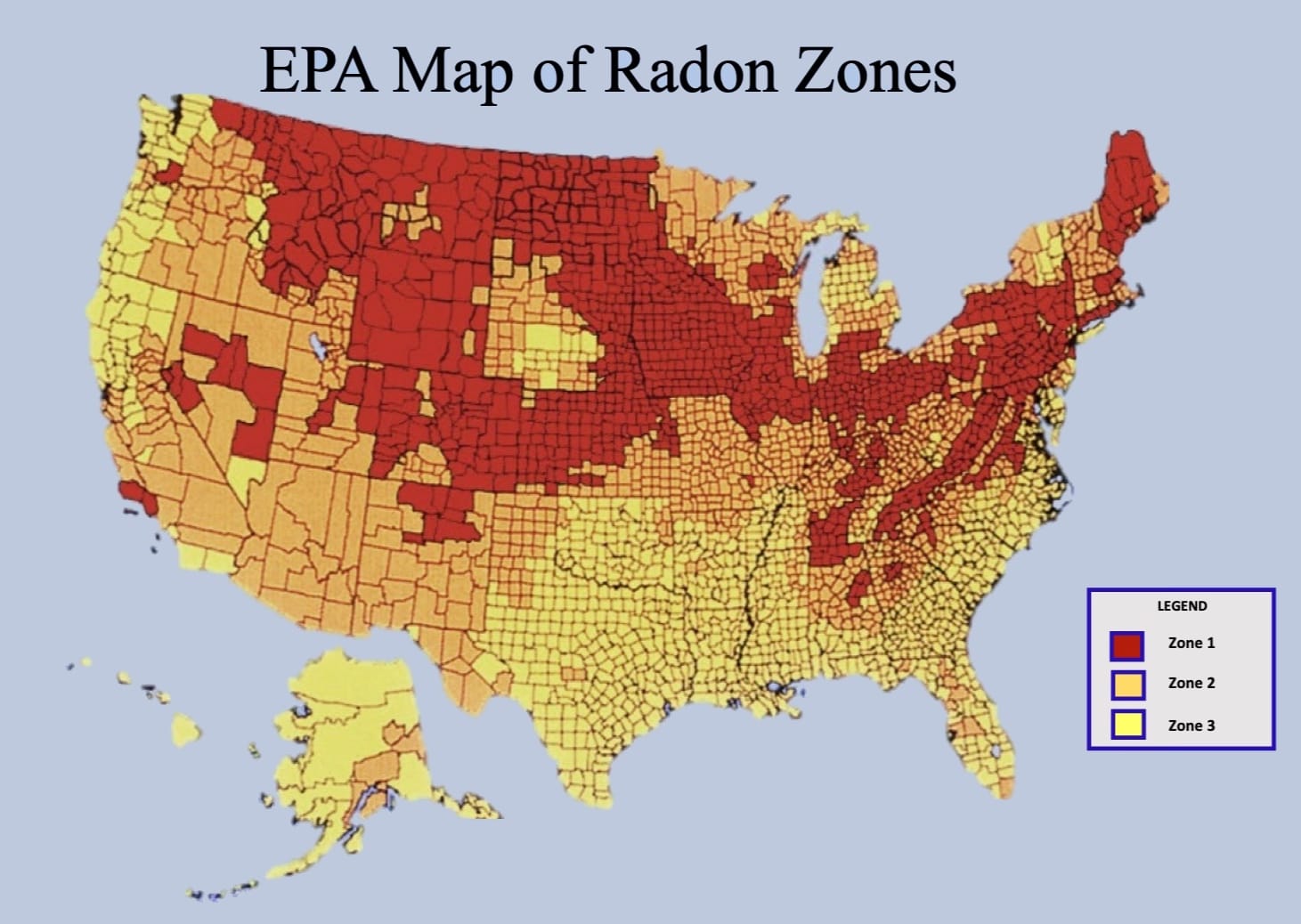
Across homes we inspect in the Mid-South, elevated radon levels are more common than many people expect, and they are also one of the most manageable environmental issues a homeowner can address.
Understanding Radon Action Levels
Radon test results are typically reported in picocuries per liter (pCi/L). In the United States, the Environmental Protection Agency recommends taking action when average indoor radon levels are 4.0 pCi/L or higher.
This number is not a line between “safe” and “unsafe.” Instead, it represents a point at which risk increases and mitigation is advised.
Lower levels may still warrant attention, while higher levels do not mean a home is uninhabitable.
Why Elevated Results Don’t Mean the Home Is Defective
A high radon test result does not indicate poor construction or neglect. Radon enters homes due to natural conditions, including:
- Soil composition beneath the structure
- Foundation design and penetrations
- Air pressure differences inside the home
Even well-built and newer homes can test high, particularly when they are tightly sealed for energy efficiency.
Radon Levels Can Change
Radon concentrations are not fixed. They can fluctuate due to:
- Seasonal weather changes
- Rainfall and soil saturation
- Heating and cooling patterns
- Natural ventilation habits
Because of this variability, a single test reflects conditions during the testing period, not necessarily permanent levels.
What Happens After a High Result
When elevated radon levels are identified, the most common next step is installing a radon mitigation system. These systems are designed to safely redirect radon gas away from the home before it can accumulate indoors.
Mitigation systems are:
- Well-established and widely used
- Effective at reducing radon levels
- Typically non-invasive to daily living
The presence of a mitigation system is not unusual and does not reduce a home’s value.
The Inspector’s Role After Testing
Inspectors do not install mitigation systems or guarantee future radon levels. Their role is to:
- Ensure testing was conducted properly
- Explain the results clearly
- Document findings for the client
- Recommend further evaluation or mitigation when appropriate
This separation helps maintain independence and objectivity.
How Buyers Often Address High Radon Results
During a real estate transaction, elevated radon results are often handled through:
- Seller-installed mitigation prior to closing
- Credits toward mitigation costs
- Agreements for post-closing installation
These outcomes are common and typically straightforward when addressed early.
Putting the Result in Perspective
A high radon result is best viewed as actionable information, not a reason to walk away from a home. Unlike many inspection findings, radon is measurable, predictable, and correctable.
Final Thoughts
Elevated radon levels indicate a need for mitigation, not panic. With proper testing, clear interpretation, and effective mitigation, radon can be managed successfully.
Understanding what a high radon result actually means allows buyers and homeowners to respond calmly and confidently, making informed decisions based on facts rather than fear.