Radon is not something most homeowners can see, smell, or taste, yet it is one of the most common environmental risks found in residential properties. Because of its invisible nature, radon often goes unnoticed unless a home is specifically tested. For homebuyers, understanding what radon is and why testing matters can help avoid surprises after closing.
Across the broader Mid-South—including Tennessee, Arkansas, Missouri, Kentucky, and Mississippi—radon levels can vary widely from one home to the next, even within the same neighborhood. That variability is one of the primary reasons testing is recommended during a real estate transaction.
What Is Radon?
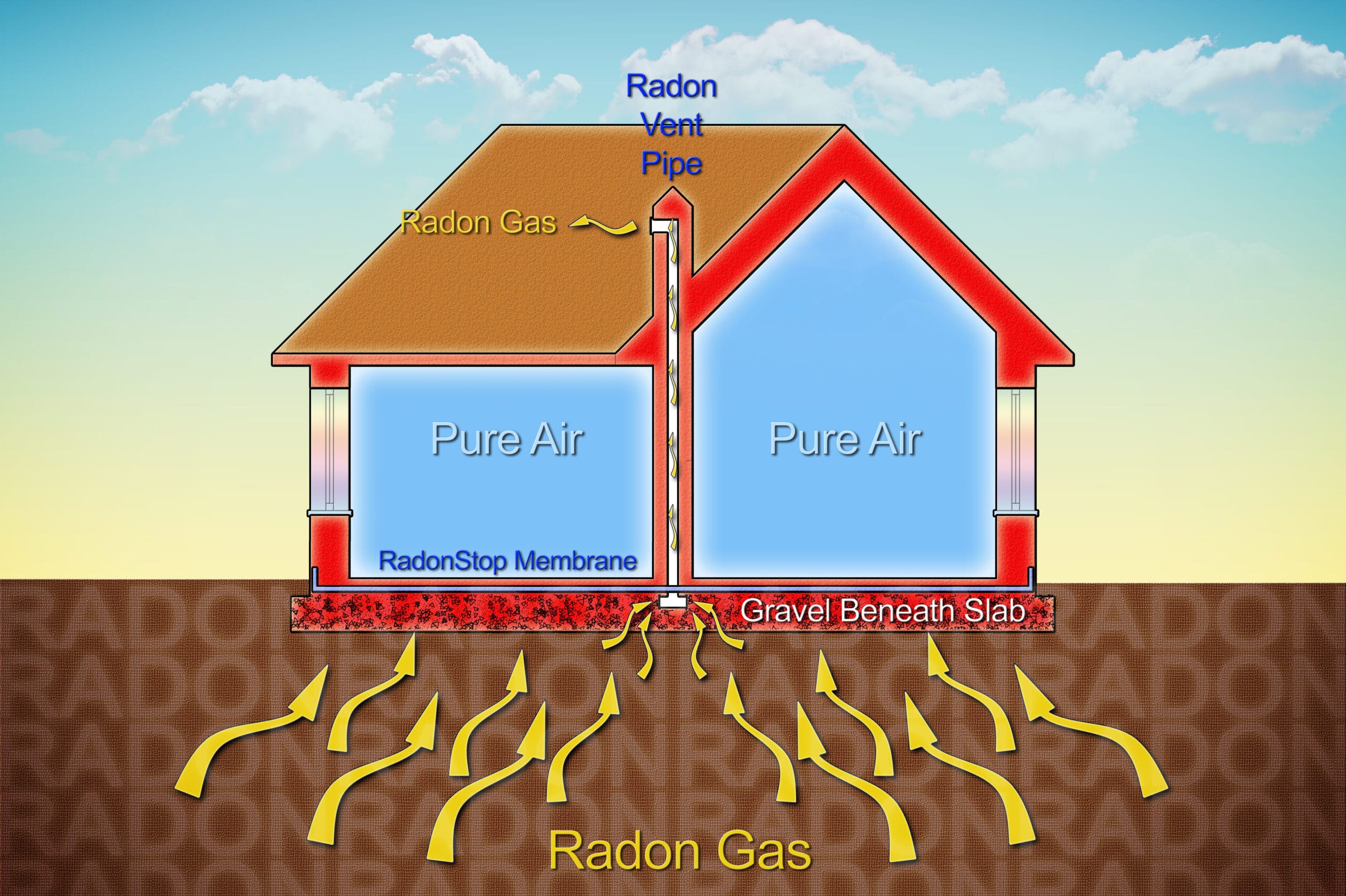
Radon is a naturally occurring radioactive gas produced by the breakdown of uranium in soil and rock. As it forms underground, radon can migrate upward through the soil and enter buildings through:
- Foundation cracks
- Expansion joints
- Utility penetrations
- Crawlspaces and slab openings
Once inside a home, radon can accumulate, particularly in lower levels with limited ventilation.
Why Radon Is a Concern
Radon is the second leading cause of lung cancer after smoking and the leading cause among non-smokers. Long-term exposure to elevated radon levels increases health risk, which is why radon testing has become a standard consideration during home purchases.
Because radon is invisible and odorless, testing is the only way to determine a home’s radon level.
Radon Levels Can Vary by Home
One of the most important things homebuyers should understand is that radon potential is not uniform. Two homes built side by side may produce very different test results due to differences in:
- Soil composition
- Foundation design
- Construction methods
- Ventilation and HVAC operation
During inspections in areas like Memphis, Jackson (TN), Little Rock, Cape Girardeau, Nashville, and Elizabethtown, it is not uncommon to find elevated radon in one home while neighboring properties test well below recommended action levels.
Why Testing Is Recommended During a Home Purchase
Radon testing is commonly performed during the inspection period because it allows buyers to:
- Identify potential health risks before closing
- Negotiate mitigation when elevated levels are found
- Establish baseline indoor air quality data
- Make informed decisions without speculation
Testing during a transaction also ensures conditions are documented while the home is still under contract.
Where Radon Testing Is Typically Performed
Radon tests are generally placed in the lowest livable level of the home. This may include:
- Basements
- Lower-level living spaces
- Finished or unfinished areas suitable for occupancy
Testing is performed under controlled conditions to provide accurate results representative of typical living conditions.
Radon Testing Is Not Just for Older Homes
New construction is not immune to radon. In fact, some newer homes can test higher due to tighter building envelopes that limit natural air exchange.
Across the Mid-South, inspectors regularly encounter elevated radon levels in both older and newly constructed homes, reinforcing the importance of testing regardless of age.
What Happens If Radon Levels Are High?
If elevated radon levels are identified, the next step is typically a radon mitigation system, which is designed to safely redirect radon gas away from the home. These systems are well-established, effective, and commonly installed.
Importantly, inspectors do not install mitigation systems. Their role is to identify conditions, document results, and help clients understand their options.
Final Thoughts
Radon is a hidden environmental risk that can only be identified through testing. Because levels vary from home to home, location alone is not a reliable predictor of radon presence.
For homebuyers throughout Tennessee, Arkansas, Missouri, Kentucky, and Mississippi, radon testing provides clarity and peace of mind during the purchase process. Understanding the risk and addressing it early allows buyers to move forward with confidence, knowing that potential concerns have been properly evaluated.