Mold TestingWhen people hear the word mold, it often triggers immediate concern. In reality, mold-related issues are common, manageable, and often misunderstood—especially when it comes to the difference between a mold inspection and mold testing.
Understanding how these two services differ can help homeowners and buyers make informed decisions without unnecessary alarm or expense.
What Is a Mold Inspection?
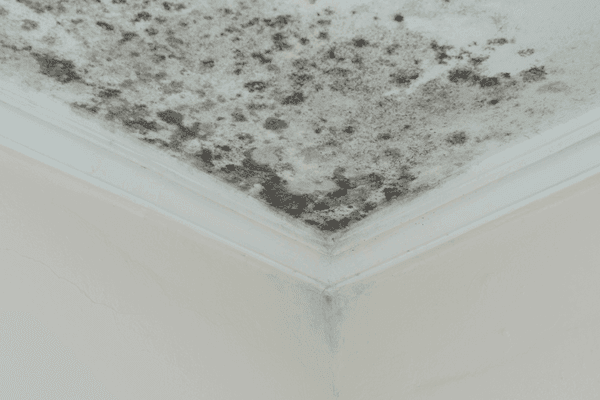
A mold inspection is a visual, non-invasive evaluation of a home to identify conditions that may indicate mold growth or create an environment where mold is likely to develop.
During a mold inspection, inspectors typically look for:
- Visible signs of suspected mold growth
- Evidence of past or ongoing moisture intrusion
- Water staining, condensation, or elevated humidity
- Building conditions that promote moisture retention
The focus is not just on mold itself, but on moisture, which is the root cause of nearly all mold problems.
A mold inspection helps answer the question:
“Are there conditions present that suggest mold may be an issue?”
What Is Mold Testing?
Mold testing involves collecting samples—such as air or surface samples—and sending them to an accredited laboratory for analysis.
Testing may include:
- Air samples to evaluate indoor mold spore concentrations
- Surface samples from visible or suspected growth
- Comparison of indoor and outdoor air samples
Mold testing helps answer a different question:
“What types of mold are present, and in what relative quantities?”
Testing does not diagnose health conditions or determine toxicity. Instead, it provides data that can be useful when paired with inspection findings.
Key Differences Between Inspection and Testing
| Mold Inspection | Mold Testing |
|---|---|
| Visual and observational | Sample-based and lab-analyzed |
| Focuses on moisture and conditions | Focuses on mold types and levels |
| Identifies risk indicators | Provides measurable data |
| Often the first step | Used when conditions warrant |
In many cases, a mold inspection alone provides enough information to guide next steps.
When Mold Testing Is Recommended
Mold testing is typically recommended when:
- Visible growth is present and identification is needed
- Buyers want baseline indoor air quality data
- There is a history of water damage without visible mold
- Post-remediation verification is required
- Occupants have heightened sensitivity concerns
Testing is not always necessary, and it is most effective when used selectively rather than automatically.
Common Misconceptions About Mold Testing
One of the most common misunderstandings is the belief that mold testing alone can determine whether a home is “safe” or “unsafe.”
In reality:
- Mold exists in all indoor environments to some degree
- Lab results require professional interpretation
- Numbers alone do not tell the full story without context
- Moisture control is more important than test results
Testing without inspection often leads to confusion rather than clarity.
How Inspectors Approach Mold Concerns
Professional inspectors approach mold-related concerns methodically:
- Identify moisture sources
- Evaluate building conditions
- Document visible indicators
- Recommend testing only when appropriate
- Refer to qualified specialists when remediation is needed
Importantly, inspectors do not perform mold remediation, which helps maintain independence and objectivity.
Making the Right Choice for Your Situation
Choosing between a mold inspection, mold testing, or both depends on the specific conditions of the home and the concerns involved.
- If you’re unsure whether mold is even a concern → start with an inspection
- If mold is suspected or visible → testing may add clarity
- If moisture issues are ongoing → addressing the source matters most
A measured approach helps avoid unnecessary costs while still protecting your investment.
Final Thoughts
Mold inspections and mold testing serve different purposes, and neither should be viewed as a one-size-fits-all solution. When used appropriately, they provide valuable insight into a home’s condition—without fear or speculation.
Understanding the difference empowers homeowners to make informed, practical decisions based on evidence rather than assumptions.