One of the most common misunderstandings about home inspections is the belief that they should uncover everything. When buyers later discover an issue that wasn’t specifically mentioned in the report, the question often follows:
“Why didn’t the inspection catch this?”
The answer usually comes down to a single word: visibility.
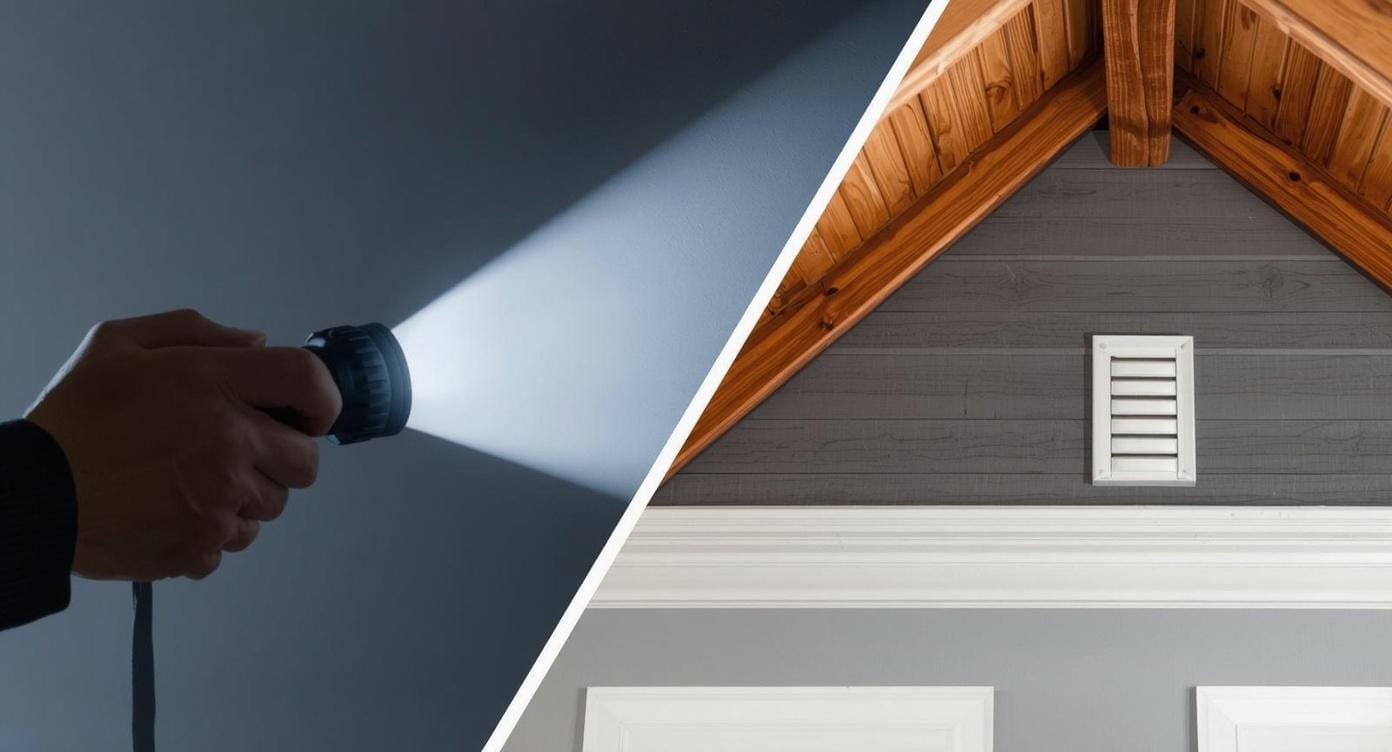
Home inspections are visual by design—not because inspectors are limited, but because visual evaluation is the safest, most practical, and most reliable way to assess a home without causing damage. And when buyers understand this, the inspection process makes far more sense.
What “Visual Inspection” Actually Means
A visual inspection means the inspector evaluates:
- What can be seen
- What can be safely accessed
- What can be operated under normal conditions
Inspectors don’t cut into walls, pull up flooring, remove insulation, or dismantle systems. They don’t guess about what might be hidden. They report on observable conditions, patterns, and indicators.
This isn’t a shortcut. It’s a boundary that protects everyone involved.
Why More Invasive Testing Isn’t the Default
It’s natural to assume that deeper inspection equals better inspection. But invasive testing introduces serious risks.
Opening walls can damage finishes, compromise vapor barriers, or expose hazardous materials. Disassembling mechanical systems can create failures that didn’t previously exist. Even moving stored belongings or insulation can cause damage or personal injury.
A visual inspection balances information gathering with non-destructive evaluation. It respects the property while still identifying meaningful risk indicators.
Visual Clues Often Tell a Bigger Story
Experienced inspectors learn to read visual evidence the way mechanics read engine wear or doctors read symptoms.
A small stain, a pattern of cracking, corrosion on a fitting, or uneven wear often reveals more than opening a wall ever could. These clues help inspectors infer:
- Moisture movement
- Structural stress
- System overload
- Maintenance history
Visual inspection isn’t about surface-level observation. It’s about interpretation.
Why Hidden Problems Aren’t Always Missed
Many buyers assume that if a defect was hidden, it was unknowable. In reality, hidden problems often leave visible traces.
Moisture inside walls often shows up as staining, material deterioration, or elevated humidity nearby. Structural movement shows up in door alignment, cracking patterns, or floor slopes. Electrical issues often reveal themselves through panel conditions or outlet behavior.
The inspector may not see the hidden defect directly, but they often see the evidence of its existence.
The Risk of Expecting X-Ray Vision
When buyers expect inspections to reveal every possible issue, they often develop a false sense of security.
No inspection—no matter how thorough—can guarantee the absence of future problems. Systems fail. Materials age. Conditions change.
Visual inspections acknowledge this reality and focus on reducing unknowns, not eliminating them.
Why Visual Inspections Protect Buyers
A visual inspection creates a documented baseline of the home’s condition at a specific moment. It allows buyers to:
- Understand observable risks
- Identify areas needing monitoring
- Decide when further evaluation is warranted
When something fails later, buyers can look back and understand whether it was predictable, developing, or sudden.
That context matters.
When Further Evaluation Makes Sense
Visual inspections are often the first step, not the last.
When inspectors see indicators that suggest deeper issues, they recommend:
- Specialized evaluations
- Licensed contractor review
- Targeted testing
This layered approach is safer and more effective than invasive inspection upfront.
Final Thought
Home inspections are visual by design because homes are complex systems, and non-destructive evaluation provides the best balance of insight and protection.
A visual inspection doesn’t limit understanding—it frames it responsibly. When buyers understand that, inspections stop feeling incomplete and start feeling exactly what they are meant to be: informed, careful, and trustworthy assessments of real-world conditions.