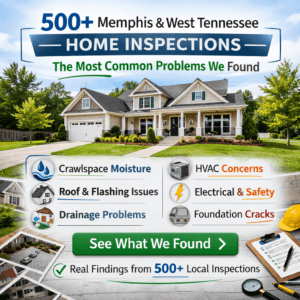
Purchasing a property, whether a family home in Germantown or a commercial space in Downtown Memphis, is one of the most significant investments you’ll ever make. A thorough home inspection is your best tool for safeguarding that investment, transforming a seemingly perfect property into a transparent, understandable asset. But truly knowing what to look for during home inspection goes beyond a simple walkthrough. It’s a comprehensive deep dive into the building’s core systems and structural integrity, revealing potential deal-breakers and hidden future maintenance costs that could turn your dream into a financial burden.
This definitive checklist is designed to empower you with the knowledge to navigate this critical process. We’ll move far beyond the obvious cosmetic flaws, providing a detailed breakdown of the 10 most critical areas a professional inspector scrutinizes, from the foundation right up to the rooftop shingles. Each point is packed with actionable insights, practical examples, and Memphis-specific considerations, such as humidity-related issues and regional pest concerns.
By understanding these key inspection points, you will be equipped to ask your inspector the right questions, interpret your final report with confidence, and make a smart, informed decision. This guide serves as your roadmap to identifying red flags, prioritizing necessary repairs, and confidently moving forward with your transaction, ensuring the property you choose is a sound and secure investment. We will cover everything from structural and roof integrity to the intricate workings of the HVAC, electrical, and plumbing systems.
1. Structural Integrity and Foundation
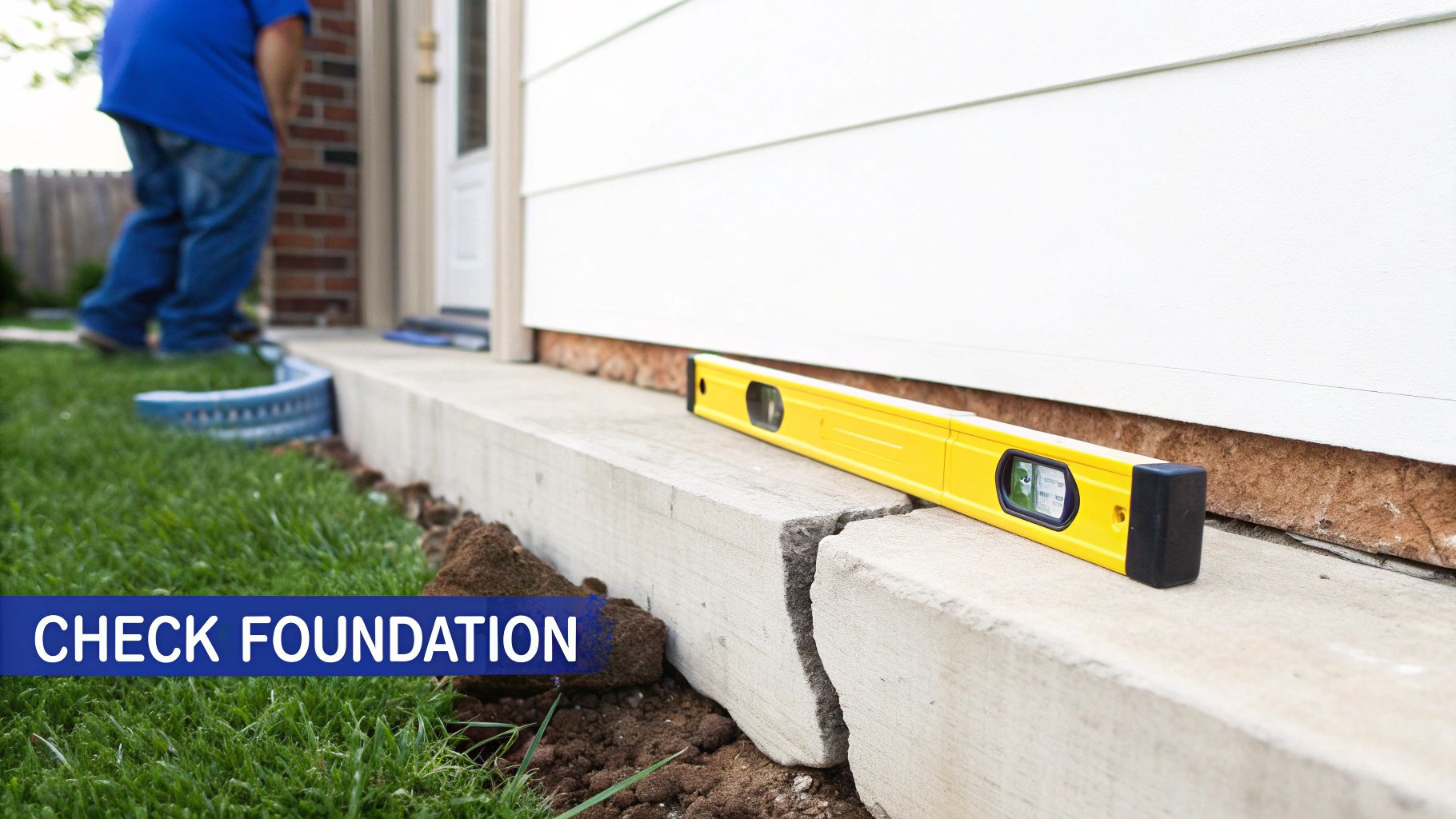
The absolute bedrock of any property inspection is the evaluation of its structural integrity and foundation. This isn’t just one item on a checklist; it’s the core component that supports the entire home. Problems here can be disproportionately expensive and disruptive to repair, impacting everything from the home’s safety to its long-term market value. A thorough inspector will spend significant time examining the base of the home, as this is a crucial element of what to look for during a home inspection.
Key Areas of Focus
Your inspector will meticulously check for tell-tale signs of distress. These clues often appear long before a major failure occurs. A key concern in West Tennessee is the expansive clay soil, which swells when wet and shrinks when dry, putting constant pressure on foundations. This makes proper drainage and grading essential for preventing costly damage. You can find more information about how to manage these local challenges in our guide to foundation drainage and grading tips for Tennessee homeowners.
Actionable Inspection Tips
While your inspector leads the assessment, you can also keep an eye out for common indicators of structural issues:
- Visible Cracks: Look for diagonal cracks emanating from the corners of windows and doors, stair-step cracks in brickwork, or any horizontal cracks in the foundation wall itself.
- Moisture Intrusion: Check the basement or crawlspace for water stains, dampness, or a white, powdery substance called efflorescence on concrete or masonry walls.
- Operational Issues: Notice doors that stick or don’t latch properly and windows that are difficult to open or close.
- Uneven Floors: Look for floors that slope or feel bouncy and check for gaps between the baseboards and the floor.
- Exterior Grading: Ensure the ground slopes away from the foundation to direct water away from the house, not toward it.
2. Roof Condition and Integrity
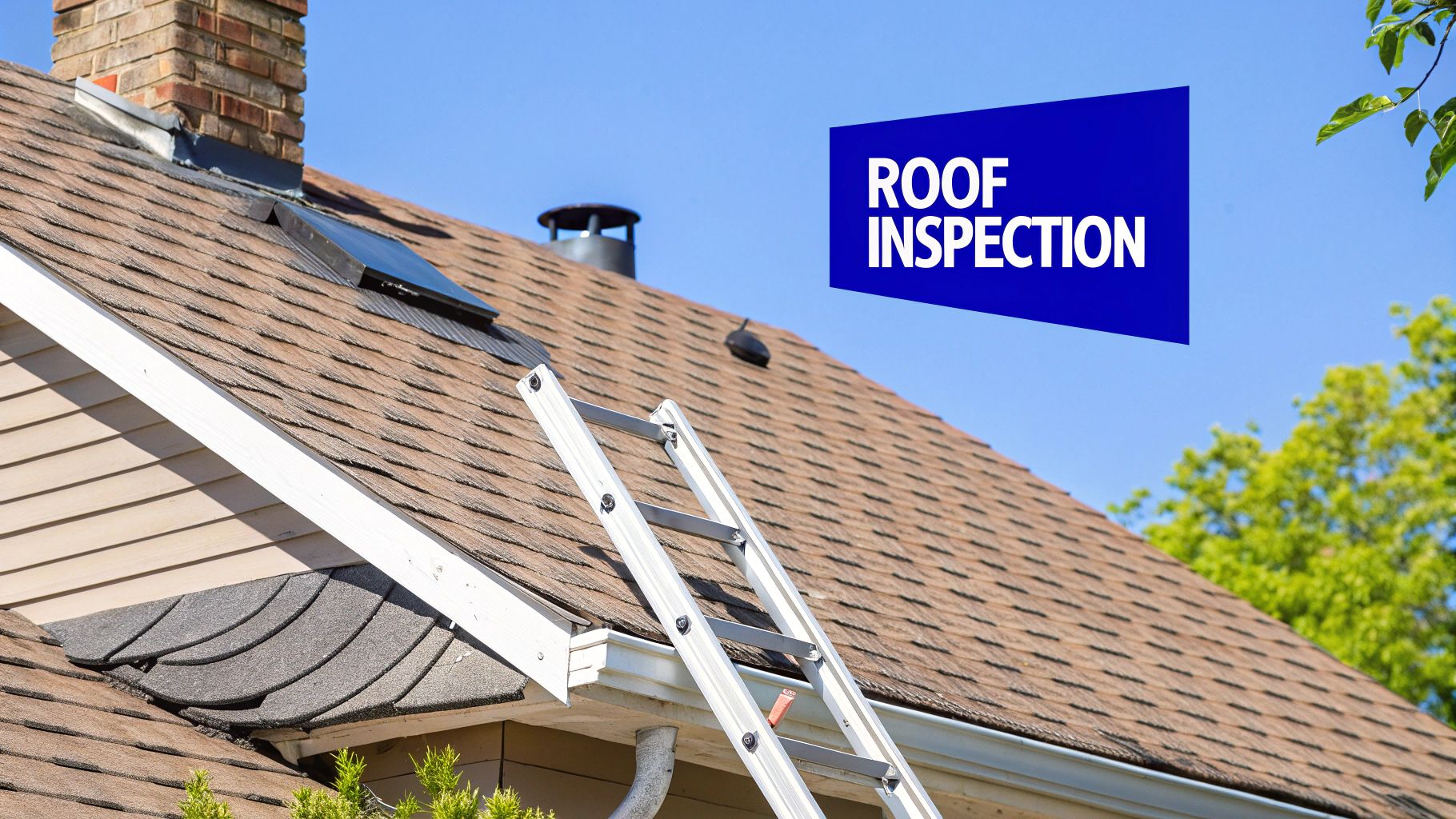
The roof serves as the home’s primary shield against the elements, making its condition a paramount concern during any inspection. A failing roof can lead to catastrophic water damage, mold growth, and structural rot, transforming a dream home into a financial nightmare. As one of the most expensive components to replace, often costing between $8,000 and $25,000, a thorough evaluation of its integrity is a non-negotiable part of what to look for during a home inspection.
Key Areas of Focus
An inspector will assess the overall condition of the roofing material, its expected remaining lifespan, the state of the flashing, and the functionality of the drainage system. The age and type of material are critical; for instance, a standard asphalt shingle roof typically lasts 15-20 years, whereas a metal roof can last 40-70 years. Early detection of issues like failing flashing around chimneys or vents can prevent attic and ceiling damage that easily costs over $5,000 to repair.
In West Tennessee, heavy rains and high humidity can accelerate wear and tear, making routine upkeep essential. Understanding and avoiding common maintenance pitfalls is key to extending your roof’s life, and you can learn more about these in our guide to common roofing and gutter mistakes homeowners make.
Actionable Inspection Tips
While your inspector performs a detailed assessment, often walking the roof if safe, you can observe from the ground and indoors for these common red flags:
- Damaged or Missing Shingles: Look for shingles that are curled, cracked, buckled, or completely missing.
- Flashing Issues: Inspect the metal strips around chimneys, vents, and skylights for signs of rust, separation, or deteriorated sealant.
- Attic Water Stains: Inside the attic, look at the underside of the roof deck for dark water stains, active drips, or signs of mold.
- Clogged Gutters: Gutters overflowing with leaves and debris can cause water to back up under the shingles, leading to rot.
- Poor Ventilation: Signs like ice dams in winter or a stuffy, overly hot attic in summer can indicate ventilation problems that shorten a roof’s lifespan.
3. Electrical System Safety
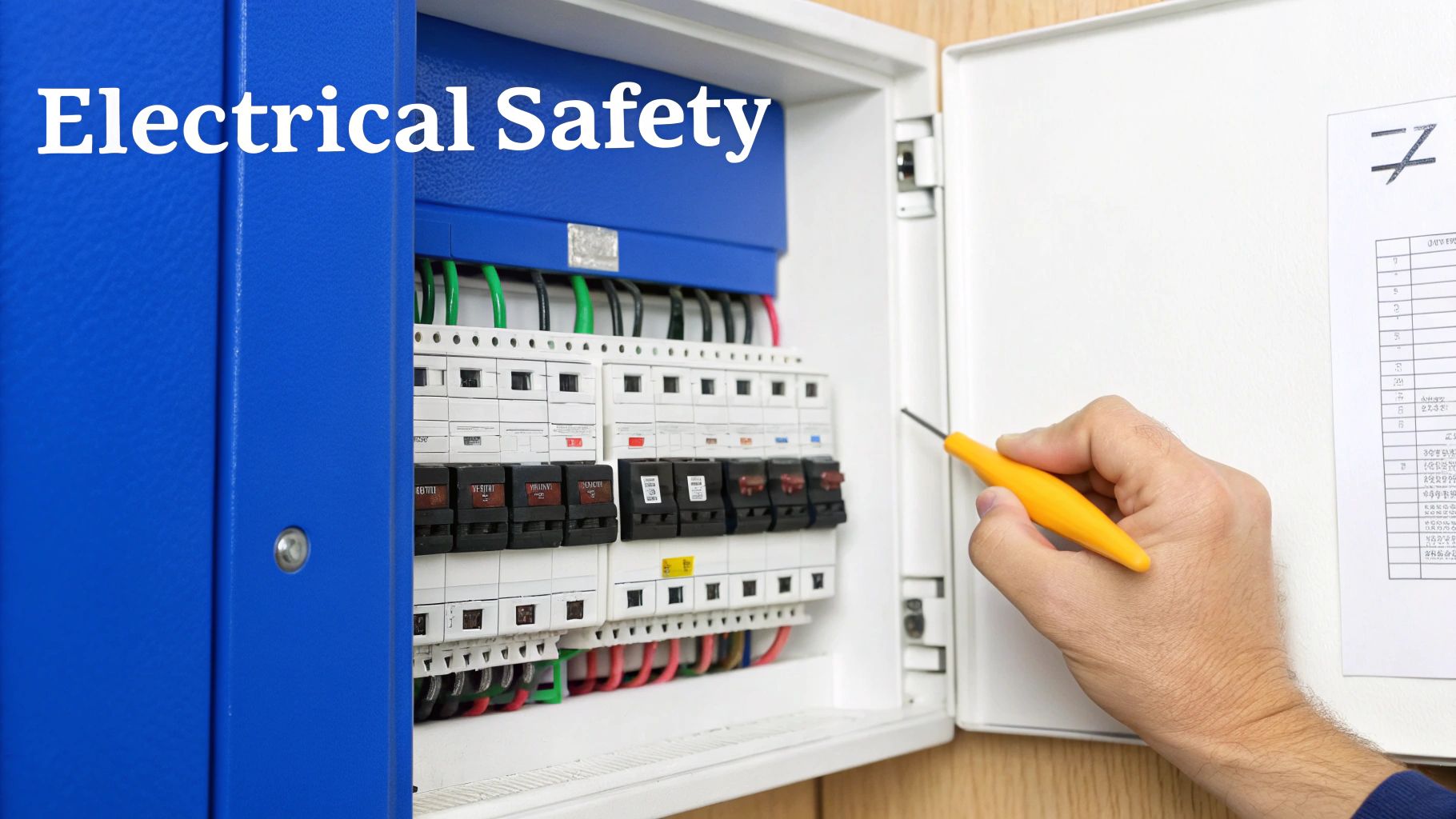
Beyond the visible structure, the electrical system is the home’s nervous system, powering modern life and carrying significant safety implications. An outdated or poorly maintained electrical system is not just an inconvenience; it’s a major fire and electrocution hazard. A comprehensive evaluation of the panels, wiring, outlets, and safety devices is a non-negotiable part of what to look for during a home inspection, as failures here can have catastrophic consequences.
Key Areas of Focus
Your inspector will carefully examine the main service panel, also known as the breaker box. A critical part of this assessment involves ensuring it can safely handle the electrical demands of a modern household. Issues like outdated 60-amp service, insufficient for today’s appliance-heavy homes, or hazardous aluminum wiring common in houses built in the 1960s and 70s are immediate red flags requiring professional remediation.
The inspection extends to protective devices throughout the home. In areas like kitchens, bathrooms, and garages, modern safety standards require specific outlet types to prevent shock and fire. You can discover more about GFCI and AFCI safety requirements to understand why these are so vital for family safety in West Tennessee homes.
Actionable Inspection Tips
As the inspector works, you can look for common electrical system warning signs:
- Panel Problems: Look for double-tapped breakers (two wires connected to one breaker) or a disorganized, “spaghetti” mess of wiring inside the panel.
- Outdated Outlets: Identify any two-prong outlets, which lack a grounding wire and are a sign of older wiring.
- Safety Device Check: Test GFCI outlets (typically with “Test” and “Reset” buttons) near water sources like sinks and tubs to ensure they trip correctly.
- Visual Damage: Scan outlets and switch plates for any signs of burn marks, discoloration, or a smoky smell, which indicate dangerous overheating.
- Flickering Lights: Note if lights dim or flicker when a large appliance like an air conditioner or microwave turns on, as this can signal an overloaded circuit.
4. Plumbing System and Water Quality
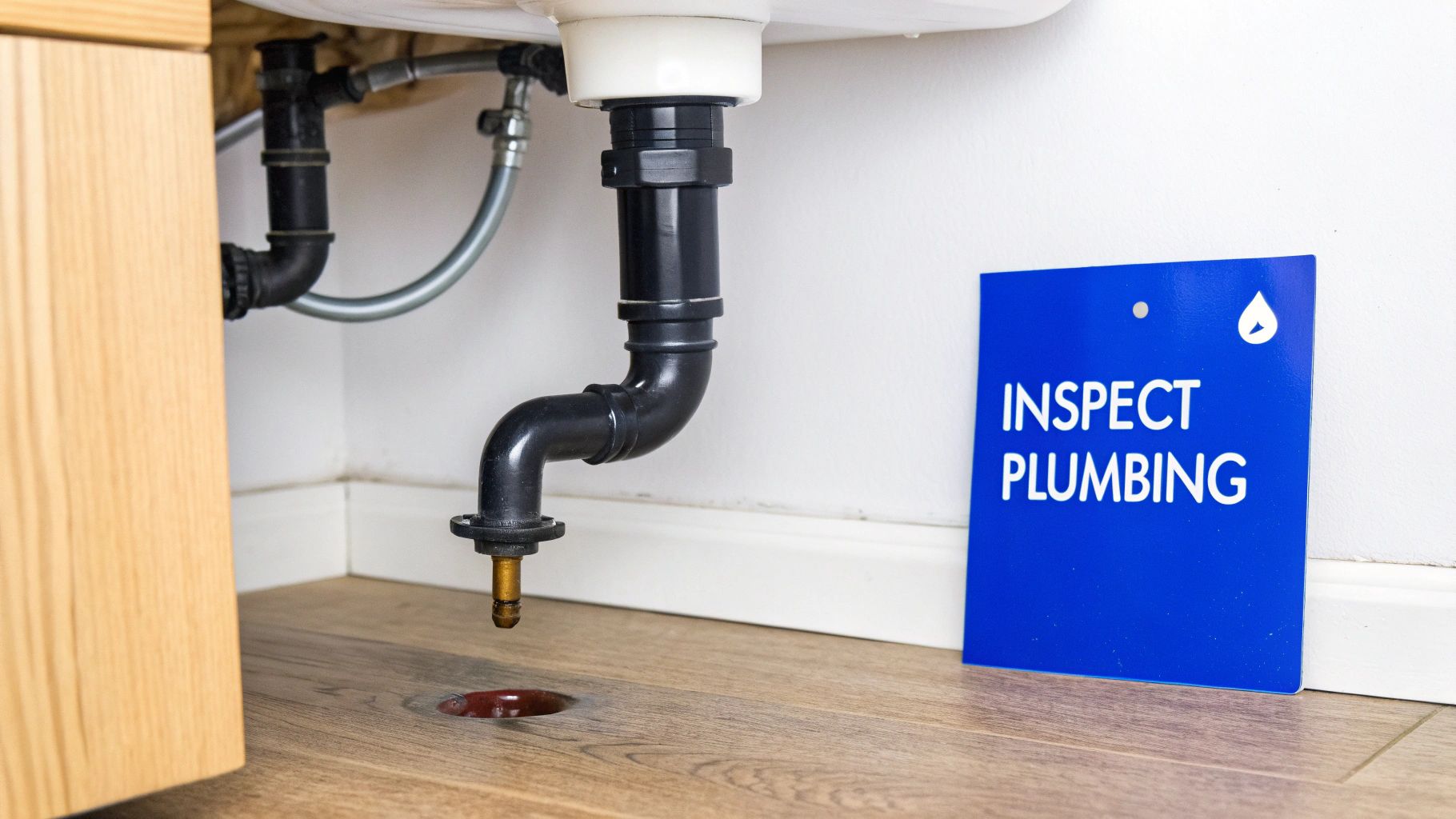
The plumbing system is the circulatory system of a home, responsible for delivering fresh water and removing waste. A failure in this system can be catastrophic, leading to extensive water damage, mold growth, and unsanitary conditions. Because much of the plumbing is hidden behind walls and under floors, a professional assessment is vital. Evaluating the pipes, fixtures, and water heater is a fundamental part of what to look for during a home inspection, as these repairs are often both expensive and highly disruptive.
Key Areas of Focus
An inspector’s evaluation goes beyond just checking for leaks. They will identify the types of pipes used, such as problematic polybutylene piping common in homes built from the late 1970s to the mid-1990s, which is known for premature failure. The inspector will also assess the age and condition of the water heater, a crucial component with a typical lifespan of 10-12 years. Identifying an aging unit allows you to budget for a replacement before it fails and causes a flood. The American Society of Home Inspectors (ASHI) sets clear standards for a thorough plumbing system review, covering everything from supply lines and drains to vents and fixtures.
Actionable Inspection Tips
While your inspector performs a detailed technical review, you can observe several key aspects of the home’s plumbing health:
- Check Water Pressure: Turn on multiple faucets to see if pressure drops significantly. Ideal residential water pressure is between 40-60 psi.
- Look for Leaks: Visually inspect under every sink and around every toilet base for water stains, active drips, or signs of past moisture.
- Inspect the Water Heater: Look for any signs of rust or corrosion on the tank, especially around the base and connections. Note the installation date on the manufacturer’s label.
- Identify Pipe Materials: Note if older, galvanized steel pipes are present, as they are prone to corrosion and can restrict water flow over time. In homes built before 1986, be mindful of potential lead solder or fixtures.
- Locate the Main Shut-Off: Ensure the main water shut-off valve is accessible and appears to be in working condition. You should know where this is in case of an emergency.
5. HVAC System Performance
The heating, ventilation, and air conditioning (HVAC) system is the heart of a home’s comfort, controlling everything from temperature to air quality. A failing HVAC system can lead to uncomfortable living conditions and significant replacement costs, often ranging from $5,000 to over $10,000. Evaluating its performance is a critical part of what to look for during a home inspection, ensuring the home is both habitable and a sound financial investment.
Key Areas of Focus
An inspector will operate the heating and cooling systems to assess their basic functionality, but their visual examination is just as crucial. They’ll look at the age of the units, signs of deferred maintenance like excessive rust or corrosion, and potential safety hazards. For instance, discovering a home’s original 1987 furnace during an inspection isn’t just an interesting fact; it’s an immediate signal to budget for an imminent replacement.
In the humid climate of West Tennessee, a properly functioning air conditioning system is non-negotiable for both comfort and moisture control. An inspector will check for refrigerant leaks, clogged condensate lines, and dirty coils, issues that can quickly escalate into expensive compressor failures if left unaddressed. These checks help prevent unexpected breakdowns during the peak of a sweltering Memphis summer.
Actionable Inspection Tips
While the inspector performs technical tests, you can make your own observations to get a clearer picture of the HVAC system’s condition:
- Check the Age: Look for a manufacturer’s label on the furnace and outdoor condenser unit to determine their age. Most HVAC systems have a lifespan of 15-20 years.
- Inspect for Neglect: Note any visible rust, damage to the fins on the outdoor unit, or water stains around the indoor furnace or air handler.
- Verify Airflow: As the system runs, feel the airflow from various vents throughout the house. Weak or non-existent flow in certain rooms could indicate ductwork problems.
- Examine the Filter: A dirty, clogged air filter is a major red flag for poor maintenance and can strain the entire system.
- Listen for Strange Noises: Pay attention to any loud rattling, grinding, or squealing sounds when the system turns on or operates.
- Locate Safety Devices: Ensure carbon monoxide detectors are present and functional near any fuel-burning appliances, such as a gas furnace.
6. Windows, Doors, and Exterior Sealing
More than just entry points and sources of light, windows and doors are critical components of a home’s thermal envelope and defense against the elements. An inspection of their condition, operation, and sealing reveals crucial information about energy efficiency, potential for water intrusion, and overall home maintenance. Problems in these areas can lead to higher utility bills, comfort issues, and even hidden moisture damage, making them an essential part of what to look for during a home inspection.
Key Areas of Focus
Your inspector will assess each window and door for proper function, signs of wear, and the integrity of its seals. They will look for evidence of failed double-pane window seals, which appear as condensation or fogging between the glass panes and significantly reduce insulating properties. They will also examine the caulking and weatherstripping around all exterior penetrations, including vents and utility lines, as these are common entry points for moisture and pests.
In West Tennessee, the high humidity makes proper sealing paramount. Even small gaps can allow humid air to infiltrate the home, increasing the workload on your HVAC system and raising the risk of interior mold growth. A home with modern, well-sealed windows and doors is better equipped to handle the local climate efficiently.
Actionable Inspection Tips
While your inspector conducts a professional evaluation, you can perform your own visual checks and simple operational tests:
- Test for Smooth Operation: Open and close every accessible window and door. They should move freely without sticking, catching, or requiring excessive force.
- Check the Seals: Look for moisture or a milky haze trapped between the panes of double-pane windows, a clear sign of a failed seal.
- Inspect Caulking and Weatherstripping: Examine the exterior caulking around window and door frames for cracks, gaps, or deterioration. Check that weatherstripping is intact and creates a tight seal when closed.
- Look for Water Damage: Scan the areas below and around windows and doors for water stains, peeling paint, or soft, rotted wood, which indicate past or present leaks.
- Verify Locking Mechanisms: Ensure all locks on doors and windows engage securely and properly for safety.
7. Insulation and Ventilation
A home’s energy efficiency and long-term health are heavily dependent on its insulation and ventilation systems. This crucial combination acts as the home’s respiratory system, managing temperature, moisture, and air quality. Inadequate insulation leads to higher energy bills, while poor ventilation can cause moisture buildup, mold growth, and even structural damage over time. A detailed check of these systems is a non-negotiable part of what to look for during a home inspection.
Key Areas of Focus
Your inspector will assess the attic, crawlspace, and walls to determine the type and depth (R-value) of insulation present. They will also examine the ventilation system, including soffit, ridge, and gable vents, to ensure there is a clear path for air to circulate. This prevents heat and moisture from becoming trapped, which is a common issue in the humid climate of West Tennessee.
For example, an inspector might find an attic with only R-15 insulation and recommend an upgrade to the modern standard of R-38, a change that could save a homeowner significant money on monthly utility bills. Another common finding is blocked soffit vents, which can lead to ice damming in winter and moisture-related problems year-round.
Actionable Inspection Tips
While your inspector conducts their professional assessment, you can observe for these key indicators of insulation and ventilation performance:
- Insulation Depth: In the attic, look for insulation that is deep and evenly distributed. For our climate zone, there should generally be 14 to 21 inches of blown-in or batt insulation.
- Clear Airflow: Check that insulation is not blocking soffit vents at the eaves. There should be a clear channel for outside air to enter the attic space.
- Signs of Moisture: Look for dark stains on the underside of the roof decking, which can indicate condensation from poor ventilation.
- Venting Outlets: Ensure that bathroom and kitchen exhaust fans vent directly to the outside of the home, not into the attic space where they can introduce excess moisture.
- Comfort Levels: Pay attention to rooms that feel unusually hot or cold compared to the rest of the house, as this can signal missing or inadequate insulation in the walls.
8. Interior Walls, Ceilings, and Flooring
The condition of a home’s interior surfaces acts as a roadmap, often pointing directly to underlying issues that are otherwise hidden from view. A trained inspector views walls, ceilings, and floors not just as cosmetic features, but as crucial indicators of the home’s overall health. From water intrusion to structural strain, these surfaces provide a visual history of the property’s performance and potential problems, making them a key part of what to look for during a home inspection.
Key Areas of Focus
Your home inspector will systematically scan these surfaces for clues that reveal deeper problems. For example, a discolored patch on a ceiling might not just be an old stain; it could signify an active roof leak, a plumbing failure in an upstairs bathroom, or condensation issues from a poorly insulated HVAC duct. Similarly, wavy hardwood floors often point to moisture damage from below, perhaps from a crawlspace with inadequate ventilation or a past appliance leak. These seemingly minor flaws can be the first sign of significant, costly repairs.
In the humid climate of West Tennessee, any sign of moisture must be taken seriously, as it can quickly lead to mold growth. An inspector will pay close attention to areas like basements, bathrooms, and laundry rooms where humidity is naturally higher. Identifying the source of the moisture is just as important as spotting the damage itself.
Actionable Inspection Tips
While your inspector conducts their detailed assessment, you can also look for these common warning signs on interior surfaces:
- Water Stains: Look for yellowish or brown rings and discoloration on ceilings and walls, especially below bathrooms, attics, and around windows.
- Drywall Cracks: Take note of cracks, particularly those in an ‘X’ or ‘+’ pattern or extending from the corners of doors and windows, as they can indicate structural settling.
- Problematic Flooring: Walk across all floors, feeling for soft spots, bouncing, or excessive squeaking. Look for buckling, cupping, or wide gaps in hardwood, which often suggest moisture problems.
- Efflorescence: In basements or on lower-level masonry, check for a white, chalky powder. This is efflorescence, a sign that water is migrating through the concrete or brick.
- Uneven Surfaces: Visually scan where walls meet floors and ceilings. Gaps or uneven lines could point to foundation movement or framing issues.
9. Exterior Condition and Drainage
A home’s exterior is its first line of defense against the elements, and proper drainage is the unsung hero that protects the foundation. Evaluating the condition of the siding, trim, grading, and water management systems is a fundamental aspect of what to look for during a home inspection. Neglecting these areas can lead to water intrusion, pest infestations, structural decay, and expensive, cascading repair costs that compromise the entire home envelope.
Key Areas of Focus
Your inspector will carefully examine the home’s exterior for signs of wear, damage, and potential water-related issues. This includes checking the condition of the siding, paint, trim, and ensuring that the land around the home is properly graded to direct water away. Effective drainage is non-negotiable, especially in areas like West Tennessee where heavy rainfall can quickly overwhelm inadequate systems and saturate the ground around the foundation.
Poor grading, for instance, can channel thousands of gallons of rainwater directly against your foundation walls, leading to immense hydrostatic pressure, basement leaks, and crawlspace moisture problems. Likewise, clogged or undersized gutters can cause water to overflow, eroding soil and creating the very issues you’re trying to prevent.
Actionable Inspection Tips
As the inspector assesses the property, you can also observe these critical exterior and drainage components:
- Proper Grading: The ground should visibly slope away from the foundation. The general rule is a drop of at least six inches over the first ten feet.
- Gutters and Downspouts: Check that gutters are clean and securely attached. Downspouts should extend at least four to six feet away from the home to discharge water far from the foundation.
- Siding and Trim Condition: Look for peeling paint, warped or rotting wood, and cracks in brick or stucco. Use a finger to gently press on wood trim, especially near the ground and windows, to check for soft spots indicating rot.
- Decks and Porches: Ensure decks are properly flashed where they attach to the house. Check that railings are secure and that support posts are not in direct contact with soil, which can cause premature decay.
- Window and Door Seals: Examine the caulking around windows and doors. It should be intact and free of cracks or gaps to prevent air and water leaks.
10. Appliances, Water Heater, and Safety Systems
While a home’s core systems are vital, the components you interact with daily deserve equal scrutiny. The inspection of appliances, water heaters, and safety systems provides crucial insight into a home’s day-to-day functionality, ongoing energy costs, and overall safety. Neglecting these elements can lead to unexpected replacement expenses shortly after move-in or, more critically, expose your family to preventable hazards. A complete evaluation of these systems is a fundamental part of what to look for during a home inspection.
Key Areas of Focus
An inspector will operate major appliances like the oven, dishwasher, and garbage disposal to ensure basic functionality. For the water heater, they will assess its age, condition, and installation quality, looking for signs of leaks, corrosion, or improper venting, which can pose a serious carbon monoxide risk with gas units. Equally important is the verification of life-saving devices. The presence and functionality of smoke and carbon monoxide detectors are non-negotiable for a safe living environment. An inspector will check their placement, age, and operational status.
Actionable Inspection Tips
Beyond the inspector’s formal assessment, you can perform your own checks to gain a better understanding of the property’s condition:
- Check Water Heater Age: Look for the manufacturer’s label on the water heater. A typical unit lasts 10-12 years. If it’s nearing this mark, you should budget for an imminent replacement.
- Inspect for Leaks or Corrosion: Examine the base of the water heater and its connections for any signs of water damage, active leaks, or rust, which indicate a potential failure.
- Test Safety Detectors: Press the “test” button on all smoke and carbon monoxide (CO) detectors. Ensure they are present on every level, inside bedrooms, and near fuel-burning appliances like a furnace or gas water heater.
- Run the Appliances: If permitted, run a short cycle on the dishwasher and check the oven and stovetop burners. Note the brand and model numbers of appliances for future reference or warranty checks.
- Confirm Proper Venting: For gas water heaters and furnaces, ensure the venting system is intact and directs exhaust gases safely outside the home.
10-Point Home Inspection Comparison
| Inspection Item | Implementation Complexity | Resource Requirements | Expected Outcomes | Ideal Use Cases | Key Advantages |
|---|---|---|---|---|---|
| Structural Integrity and Foundation | High — may need structural engineer and invasive checks | Specialized tools, structural engineer, possible soil/drainage tests; higher cost | Reveal foundation defects, settling, water intrusion risk | Older homes, visible cracks, pre-purchase due diligence, renovations | Prevents catastrophic failure, aids negotiation, protects property value |
| Roof Condition and Integrity | Medium — visual plus limited roof access; safety constraints | Ladder/binoculars, moisture/infrared tools, possible roofer follow-up | Assess remaining life, leak sources, flashing and ventilation issues | After storms, aging roofs, pre-purchase inspections | Prevents interior water damage, informs replacement budgeting |
| Electrical System Safety | High — requires testing and possible electrician evaluation | Multimeter, voltage testers, panel inspection; upgrade costs possible | Identify fire/shock hazards, outdated wiring, code noncompliance | Older wiring, fuse panels, remodeling, safety concerns | Reduces fire/electrocution risk, ensures capacity and code compliance |
| Plumbing System and Water Quality | Medium–High — hidden piping and water testing often needed | Leak detectors, pressure gauge, lab water tests; plumber for repairs | Detect leaks, pipe material failures, water quality issues | Water stains, low pressure, older plumbing systems, pre-purchase | Prevents water damage, plans replacements, reveals health risks |
| HVAC System Performance | Medium — operational checks; some diagnostics need specialists | HVAC gauges, CO detector, thermostat checks; possible contractor testing | Verify heating/cooling operation, efficiency, safety (CO), replacement timing | Comfort complaints, high bills, seasonal checks, older systems | Ensures comfort, identifies safety and efficiency problems |
| Windows, Doors, and Exterior Sealing | Low–Medium — mostly visual and functional tests | Caulking/seal checks, simple operation tests, optional thermal imaging | Find air/water leaks, failed seals, security/hardware issues | Drafty homes, energy upgrades, water intrusion concerns | Improves efficiency, prevents mold, enhances security |
| Insulation and Ventilation | Medium — attic access and R-value assessment recommended | Attic inspection tools, R-value estimates, ventilation checks; retrofit costs | Determine insulation adequacy, moisture risk, ventilation performance | High energy bills, ice damming, attic or crawlspace work | Lowers energy costs, prevents moisture damage, improves comfort |
| Interior Walls, Ceilings, and Flooring | Low–Medium — visual, moisture checks as needed | Moisture meter optional, basic leveling checks, cosmetic repair estimates | Identify water damage, mold, settling, cosmetic vs structural issues | Visible stains/cracks, uneven floors, pre-purchase walkthroughs | Reveals hidden issues early, distinguishes repair urgency |
| Exterior Condition and Drainage | Medium — grading and exterior material assessment | Grading evaluation, gutter/downspout inspection, siding/trim checks | Expose drainage problems, siding/trim rot, chimney and deck issues | Properties with poor grading, frequent heavy rain, older exteriors | Prevents foundation/flooding issues, ensures exterior safety |
| Appliances, Water Heater, and Safety Systems | Low — functional tests and device verification | Operational checks, age/model verification, specialist for septic | Confirm appliance operation, water heater condition, detector presence | Move-in readiness, safety audits, warranty and budgeting | Ensures safety systems, identifies near-term replacements, verifies operation |
From Inspection Report to Closing Day: Your Next Steps
You’ve navigated the property, followed the inspector, and now you hold the comprehensive report in your hands. This document, filled with detailed observations, photographs, and professional assessments, is far more than a simple pass or fail grade. It’s a strategic roadmap, a powerful negotiation tool, and your first personalized owner’s manual for the property. Understanding how to leverage this information is the final, crucial step in mastering what to look for during home inspection.
The initial feeling upon reviewing a lengthy report can be overwhelming. Every noted imperfection, from a dripping faucet to a cracked foundation, can feel like a major setback. The key is to shift your perspective and categorize the findings to create a clear path forward.
Turning Information into Action
Your primary task is to work with your real estate agent to sort the report’s contents into distinct categories. This process transforms a long list of issues into a manageable action plan.
- Major Concerns & Red Flags: These are the deal-breakers or significant negotiation points. They typically involve structural integrity (foundation issues, significant roof damage), safety hazards (faulty electrical wiring, active mold growth), or the imminent failure of a major system (HVAC, plumbing). These items often require immediate attention and substantial investment to correct.
- Significant But Manageable Repairs: This category includes items that need attention but don’t necessarily threaten the safety or structure of the home. Examples might be an aging water heater that is still functional, failing seals on double-pane windows, or a section of siding that needs replacement. These are prime candidates for negotiating seller repairs or closing cost credits.
- Minor Fixes & Future Maintenance: This is your “honey-do” list for the first year of ownership. Think loose railings, caulking gaps around windows, cleaning gutters, or servicing the HVAC system. While important for long-term upkeep, these items rarely influence the transaction itself. Viewing them as a future maintenance plan helps you budget and prepare for homeownership.
The Art of Negotiation
Armed with your categorized list, you can approach negotiations with clarity and confidence. A request for a seller to address a major electrical hazard is a reasonable and necessary ask. Conversely, asking for cosmetic fixes like repainting a scuffed wall is unlikely to be productive. The inspection report provides the objective, third-party evidence needed to justify your requests.
Key Insight: The goal of post-inspection negotiation is not to get a “perfect” home, but to ensure the home you buy is safe, structurally sound, and priced fairly relative to its true condition. The report gives you the leverage to achieve that balance.
Remember that every property, even new construction, will have a list of imperfections. The inspection process is designed to uncover them, giving you a complete picture before you finalize the single largest investment of your life. It removes the fear of the unknown and replaces it with actionable knowledge. Whether you’re a first-time homebuyer in Collierville, a commercial investor in Memphis, or a seller in Bartlett preparing to list, the inspection is your greatest asset. It provides the clarity to proceed with confidence, renegotiate terms, or, if necessary, walk away from a deal that isn’t right for you. By understanding the report’s findings, you protect your investment and ensure your new property can truly become your home.
Ready to move from uncertainty to clarity in your property transaction? A thorough, professional inspection is the most critical step, and Upchurch Inspection provides the detailed insights you need to make an informed decision in the Greater Memphis area. Schedule your comprehensive home or commercial property inspection with us today to protect your investment and proceed with confidence.