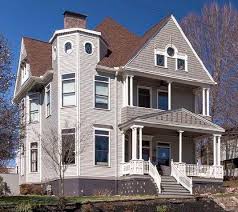
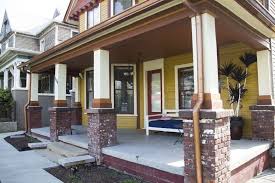
There’s a certain look that sells houses in 4th & Gill and Old North Knoxville. Tall ceilings. Original trim. Brick that’s been standing longer than most inspection companies have existed. Buyers walk in and feel like they’re buying something solid. And in a lot of ways, they are.
But here’s the part that doesn’t get said enough: these homes aren’t just old — they’re modified. Repeatedly. Over decades. By different owners. With different budgets. Under different codes. And sometimes under no code at all.
When I inspect a “classic” Knoxville home, I’m not trying to ruin the romance. I’m trying to figure out what era the house is actually living in now.
These Homes Have Lived Multiple Lives
Most of the homes in 4th & Gill were built before modern mechanical systems existed. Plumbing was added later. Electrical was updated in phases. HVAC came much later — often shoehorned in wherever it would fit.
That means what you’re buying isn’t a 1910 house or a 1930 house. You’re buying a layer cake of construction decisions.
I expect to see:
- Mixed plumbing materials feeding the same fixtures
- Electrical systems that change methods mid-run
- Structural modifications that solved one problem and created another
None of this is shocking. But it matters.
Balloon Framing Is Beautiful — and Dangerous
Here’s a Wes-ism: balloon framing doesn’t forgive fires.
Many of these homes were built with continuous wall cavities that run from the basement or crawlspace straight up to the attic. That was normal at the time. It also means fire and smoke can travel vertically with terrifying efficiency.
During inspections, I’m looking for:
- Open wall cavities around plumbing and electrical penetrations
- Missing fire-blocking at floor levels
- Attic access points that connect directly to wall chases
This isn’t theoretical. It’s one of the biggest life-safety differences between historic homes and modern construction.
Knob-and-Tube Didn’t Always Leave the Building
A lot of Knoxville classics advertise “updated electrical.” Sometimes that’s true. Sometimes it means there’s a new panel feeding old wiring.
I regularly find:
- Active knob-and-tube spliced into newer circuits
- Abandoned conductors still energized in walls
- Grounds that exist at the panel but disappear downstream
From the outside, everything looks clean. Inside the walls, it’s a negotiation between eras.
Plumbing Is a Museum Tour
Old North Knoxville plumbing systems are rarely uniform. You’ll see cast iron drains transitioning to PVC, galvanized supply lines feeding copper, and PEX added wherever someone didn’t want to open a wall.
What I care about isn’t the mix — it’s how those transitions were handled.
Red flags include:
- Improvised connections without proper support
- Corrosion concentrated at material change points
- Drain slopes that flatten where renovations occurred
Plumbing doesn’t fail all at once. It fails at the seams.
Floors That Slope Are Telling You Something
Here’s where buyers get uncomfortable. Sloping floors in these homes are common. They’re also not always harmless.
I’m not worried about a little character. I am worried about:
- Sagging that lines up with removed walls
- Joists that were cut for ducts or plumbing
- Added loads that framing was never designed to carry
Historic homes were built strong — but they weren’t built for modern layouts, kitchen islands, or second-floor laundry rooms.
Foundations Weren’t Designed for Today’s Moisture
Many of these homes sit on stone or early masonry foundations. They were meant to breathe. Modern living doesn’t allow that.
I often see:
- Interior finishes trapping moisture against foundation walls
- Efflorescence hidden behind finished basements
- Wood framing in contact with damp masonry
Covering a foundation doesn’t make it dry. It just makes the damage quieter.
HVAC Was Added, Not Integrated
Central air didn’t exist when these homes were built. When it was added, it went wherever there was space.
That’s why I see:
- Undersized returns causing pressure issues
- Ductwork running through unconditioned spaces
- Systems that technically work but never feel balanced
Comfort complaints in these homes usually aren’t equipment failures. They’re design compromises coming due.
Renovations Can Make Things Worse
This is where I really stop being polite. Bad renovations are more dangerous in historic homes than no renovations at all.
I’ve inspected houses where:
- Spray foam trapped moisture against old brick
- Modern drywall hid ongoing structural movement
- New finishes covered unsafe wiring
Just because something is “new” doesn’t mean it belongs there.
Why These Homes Need a Different Kind of Inspection
Inspecting a Knoxville classic isn’t about passing or failing the house. It’s about translating history into risk. What was changed. What was left alone. And what’s quietly holding everything together.
Buyers coming into neighborhoods like 4th & Gill from markets like Knoxville often assume charm equals durability. Sometimes it does. Sometimes it just means the house has survived long enough to collect bad decisions.
For buyers evaluating historic homes across East Tennessee, inspections need to respect age and interrogate modifications.
https://upchurchinspection.com/our-service-areas/home-inspections-in-east-tennessee/
These houses aren’t fragile.
They’re complicated — and they deserve to be understood before you fall in love.