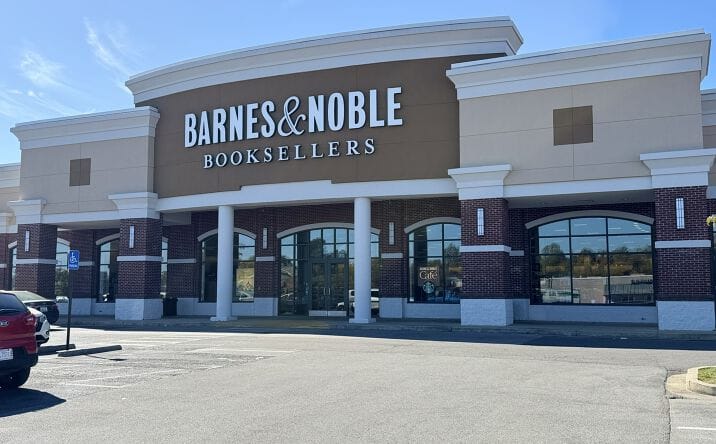
Strip centers look simple. One roof. A row of storefronts. Big parking lot. From the outside, they feel like low-risk commercial buys — especially in a growing market like Elizabethtown. But after inspecting enough of them, I can tell you this: strip malls don’t fail like standalone buildings. They fail sideways.
What gets one tenant eventually gets them all, and most buyers don’t realize how exposed they are until the first shared system goes down.
The Illusion of “My Side vs. Their Side”
One of the most common assumptions I hear from buyers is, “I’m only responsible for my unit.” Sometimes that’s true on paper. In the field, it’s rarely that clean.
In many strip centers, systems overlap in ways that aren’t obvious:
- Shared roof sections
- Shared HVAC platforms
- Shared plumbing mains
- Shared electrical service pathways
I’ve seen owners blindsided by repair costs because a problem technically started next door — but physically lives above, below, or behind their space.
Roofs Don’t Care About Lease Lines
Strip mall roofs are usually one continuous membrane system, even when ownership is divided. That matters. A leak that starts over a nail salon doesn’t politely stop at the tenant demising wall. Water follows slope, seams, and gravity.
When I inspect these properties, I’m walking the roof with one question in mind: Where does water go when something fails? Because eventually, something always does.
Common problems I see along the Hwy 31W corridor include:
- Poorly placed rooftop units added years after original construction
- Abandoned penetrations that were never properly sealed
- Ponding water near parapet walls and scuppers
Those issues don’t show up on a rent roll, but they show up fast once interior finishes start staining.
HVAC: Shared Platforms, Shared Consequences
Strip centers love rooftop HVAC units. They keep interiors flexible and free up space. The problem is that those units are often installed on shared structural platforms or curb systems that span multiple tenant bays.
I’ve inspected centers where:
- One failing unit caused structural sag affecting adjacent units
- Condensate lines were tied together improperly
- Electrical disconnects were mislabeled or shared
When one tenant upgrades or replaces equipment, it can create stress or access issues for everyone else. That’s not hypothetical — I see it regularly.
Plumbing Is the Quiet Budget Killer
Shared plumbing systems are where strip centers really get dangerous for buyers. Drain lines often run laterally across units before dropping to mains. Grease, scale, and debris don’t respect lease boundaries.
I pay close attention to:
- Cleanout locations (or the lack of them)
- Signs of past backups or floor drain overflow
- Improvised repairs hidden above ceiling tiles
A plumbing failure doesn’t just shut down one business. It can shut down several — and suddenly you’re negotiating repairs with neighbors you didn’t plan to meet this way.
Electrical Systems Age Together
Electrical infrastructure in strip malls tends to age as a unit. Even when tenant panels are separate, feeders, conduits, and grounding systems are often shared.
What I see far too often:
- Overloaded service equipment serving “just one more tenant”
- Bonding issues introduced during remodels
- Abandoned circuits left energized above ceilings
Panels can look fine while the system behind them is stressed. And when commercial electrical systems fail, they don’t fail cheaply.
Fire Separation Is Usually Compromised
Here’s a big one buyers rarely think about: demising walls are only fire barriers if they’re intact. Over time, every remodel punches holes in those assemblies.
I routinely find:
- Unsealed penetrations between tenant spaces
- Missing fire caulk around plumbing and conduit
- Drop ceilings that bypass rated walls entirely
That’s not just a code issue. It’s a liability issue. Fire doesn’t care who started it — it spreads where it’s allowed to spread.
Deferred Maintenance Is Contagious
Strip centers are ecosystems. When one owner defers maintenance, it affects the entire structure. Roof drains clog. Expansion joints fail. Sealants age out. Nobody wants to pay for it until everyone has to.
By the time a buyer notices visible problems, the real damage is usually already done in places you can’t see from a walkthrough.
Why Strip Centers in Growing Markets Are Riskier
In fast-growing areas like Elizabethtown, strip centers get remodeled constantly. New tenants mean new penetrations, new loads, and new shortcuts. Very few of those changes are coordinated across the whole building.
That’s how you end up with systems that technically work — but are one failure away from cascading problems.
If you’re buying commercial property in or around Elizabethtown, especially along established retail corridors, inspections need to look past the individual unit and evaluate how the building actually functions as a shared structure.
How I Approach Strip Mall Inspections
When I inspect strip retail, I’m not thinking like a tenant. I’m thinking like a future problem solver. I want to know:
- What systems are shared
- Where failure is most likely
- Who gets stuck with the bill
That’s the difference between a cosmetic inspection and real commercial due diligence.
For buyers evaluating commercial retail properties across Central Kentucky, understanding shared systems before closing is critical.
https://upchurchinspection.com/our-service-areas/home-inspections-in-central-kentucky/
Strip malls don’t give warnings. They give invoices.