This is one of those things people don’t notice until someone points it out.
That door between the house and the garage? It’s not just a door. It’s a fire barrier. And in a lot of homes, it’s not doing its job anymore.
What That Door Is Supposed to Do
The door separating the garage from the living space is there to slow fire and smoke. That’s it. It’s not about convenience or noise control.
To work properly, it needs to:
- Be solid or fire-rated
- Close all the way on its own
- Latch without being forced
- Stay closed when you let it go
If it doesn’t do those things, it’s compromised.
What I See All the Time
I can’t tell you how many times I open that door, let go, and watch it sit there… halfway open.
That’s a failed self-closing system.
Usually the reasons are boring:
- The spring hinges wore out
- One hinge was replaced with a standard hinge
- The door was painted too many times
- The hinges were adjusted and never put back
- Someone got tired of it slamming and “fixed” it
None of those are malicious. But they matter.
A Real Inspection That Caught It Early
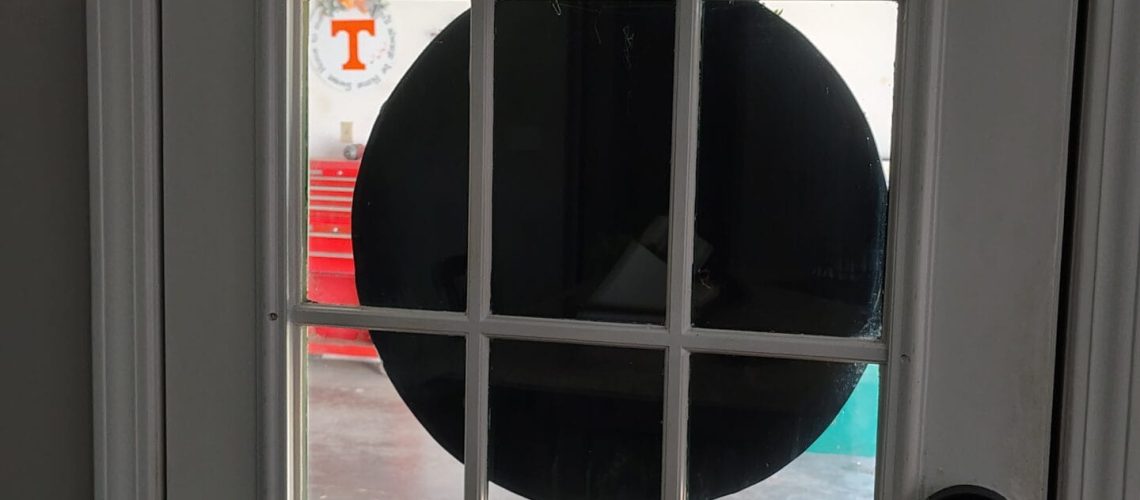
I inspected a home near Medina where the garage door looked fine at first glance. Solid core. Good condition. No damage.
But when I let go, it didn’t move.
One hinge had been swapped out during a remodel. The other spring hinge was weak. Together, they did nothing.
That door would not have slowed smoke or fire for even a moment.
Why This Is More Than a Technicality
Garages are where bad things live:
- Gasoline
- Paint
- Solvents
- Lawn equipment
- Vehicles
- Electrical tools
If a fire starts there, that door is the only thing buying you time.
When it doesn’t close, smoke moves fast. Fire moves faster.
Why People Disable Them
Most homeowners don’t remove self-closing hinges because they’re reckless. They remove them because they’re annoying.
The door slams. It catches on the frame. It won’t stay open while you carry groceries.
So someone fixes the symptom instead of the cause.
I see this constantly.
What I Actually Check
When I inspect that door, I:
- Open it fully
- Let it go
- Watch what it does
- Check hinge types
- Check latch engagement
- Look for gaps or warping
If it doesn’t close and latch on its own, it’s a problem. Full stop.
Why This Matters to Buyers
This is usually an easy fix. New hinges. Adjustment. Sometimes a new door.
But it’s also a reminder.
If something this simple was ignored, what else might’ve been?
The Inspector’s Bottom Line
Self-closing garage doors aren’t about code trivia. They’re about buying time when things go bad.
If the door doesn’t close by itself, it’s not doing its job — no matter how solid it looks.
That’s why I test it every time.