
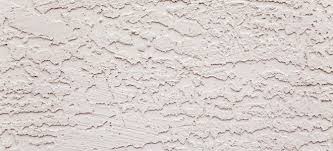
From the street, stucco and EIFS can look identical.
Same texture. Same color. Same clean lines.
From an inspection standpoint, though, they live in completely different risk categories — and confusing the two is how moisture problems turn into structural ones.
Stucco and EIFS Are Not the Same Thing
Traditional stucco is a cement-based system. It’s hard, brittle, and meant to shed water while tolerating a little moisture behind it.
EIFS (Exterior Insulation and Finish System) is a barrier system. It relies on layers, sealants, and detailing to keep water out entirely. When water gets behind EIFS, it doesn’t dry well. At all.
That difference matters more than people realize.
Why EIFS Fails So Much More Dramatically
When stucco cracks, you usually get localized issues.
When EIFS fails, water gets trapped.
And trapped water does ugly things:
- Rots sheathing
- Destroys framing
- Breeds mold
- Goes unnoticed for years
By the time staining shows up inside, the damage behind the wall is often extensive.
A Real Inspection Where Looks Were Deceiving
I inspected a home in the Brentwood area that looked pristine from the outside. Smooth finish. Sharp lines. No visible cracking.
Moisture readings around windows told a different story.
Improper flashing. Failed sealant joints. Elevated moisture at multiple openings.
From the outside, it looked like high-end construction. Behind the finish, it was quietly taking on water.
The Flashing Details That Matter
EIFS lives and dies by its details.
Common failure points I document:
- Missing kick-out flashing
- Improper window flashing
- Sealant used where flashing was required
- No drainage plane
- Poor termination at grade
EIFS doesn’t forgive shortcuts. One bad detail can compromise an entire wall section.
Why “It’s Never Leaked Inside” Isn’t Reassuring
This is the most dangerous phrase with EIFS:
“We’ve never had water inside.”
That often just means the wall cavity has been absorbing moisture without letting it show.
I’ve reviewed reports from one of our inspectors in the Nashville area where invasive moisture testing revealed saturated sheathing with no interior staining yet. The system was failing silently.
Traditional Stucco Has Its Own Issues — Just Different Ones
Stucco isn’t maintenance-free either.
I still watch for:
- Cracking patterns
- Improper control joints
- Poor drainage at the base
- Weep screed issues
- Water intrusion at penetrations
But stucco systems can often dry. EIFS usually can’t.
Why Identification Matters First
Before you can assess risk, you have to identify the system.
I look at:
- Thickness at openings
- Edge details
- Sound when tapped
- Termination at grade
- Presence (or absence) of weep screeds
Calling EIFS “stucco” in a report isn’t just sloppy — it changes the entire risk profile.
What Buyers Should Understand
EIFS isn’t automatically bad. Some systems perform well when installed perfectly and maintained properly.
The problem is that perfection is rare, and maintenance is often ignored.
Knowing which system you’re dealing with tells you:
- What to monitor
- What to budget for
- Whether further evaluation is warranted
The Inspector’s Bottom Line
Stucco and EIFS may look alike, but they behave very differently when water gets involved.
One can tolerate mistakes. The other magnifies them.
That’s why I don’t stop at “stucco exterior.” I figure out which system it is — because getting that wrong is how small moisture issues turn into major repairs.