
Engineer’s Load-Bearing Wall Evaluations
Through a Licensed Engineering Partner
Foundation movement, settlement, or cracking can raise serious concerns for homeowners, buyers, sellers, and lenders. At Upchurch Inspection, we help clients obtain Engineer’s Foundation Evaluations through a professional partnership with a licensed engineering firm, providing clear documentation of the foundation’s observed condition and performance.
While Upchurch Inspection is not an engineering firm, we coordinate the field evaluation process and work directly with an independent licensed engineer to ensure clients receive the professional engineering assessment they need—without confusion, delays, or compliance issues.
Schedule Your Load-Bearing Wall Evaluation
What Is an Load-Bearing Wall Evaluation ?
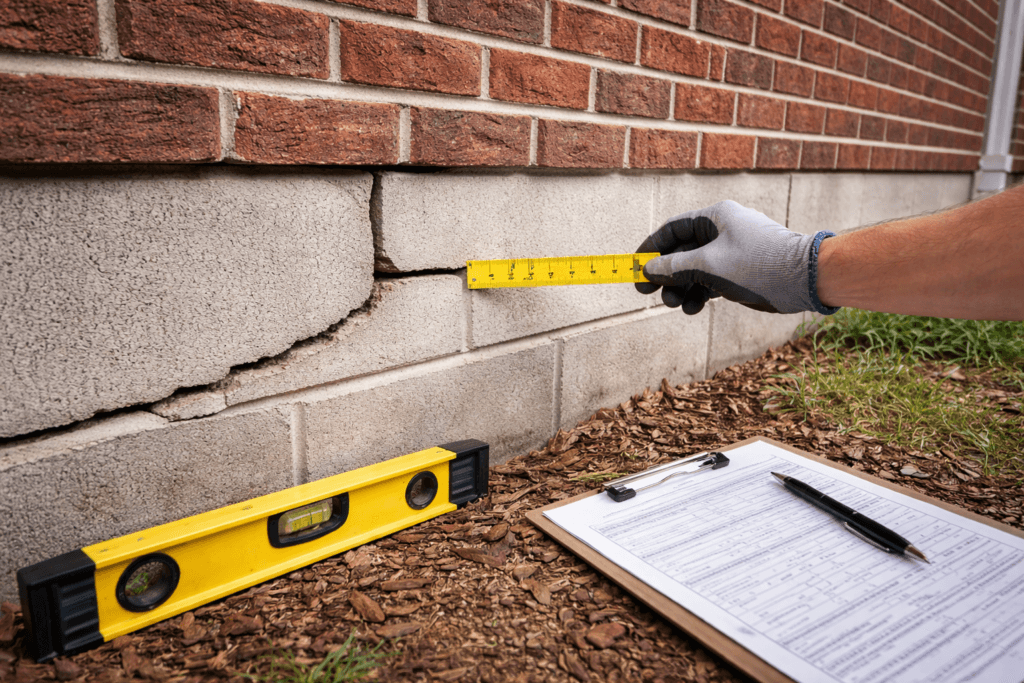
An Engineer’s Load-Bearing Wall Evaluation is performed to assess whether a wall is structural in nature, how it contributes to load transfer within the building, and whether any observed alterations, damage, or conditions may impact structural performance.
Through our partnership with a licensed engineering firm, this evaluation provides property owners, buyers, contractors, and lenders with clear, professional engineering conclusions regarding wall function, load paths, and observed conditions.
These evaluations are especially common when walls have been removed, modified, damaged, or questioned during renovations or real estate transactions. The goal is to provide engineering clarity—not assumptions—about structural significance.
How the Evaluation Process Works
Upchurch Inspection coordinates the field data collection typically associated with a load-bearing wall evaluation, while the engineering analysis, conclusions, and report are performed and issued by the licensed engineer.
The evaluation process generally includes:
Documenting visual observations during a physical walkthrough
Identifying wall locations, framing orientation, and visible structural components
Observing load transfer indicators such as beams, headers, columns, or bearing points
Reviewing renovation history or contractor disclosures when available
Reviewing available documentation such as floor plans, drawings, or prior reports
Providing a detailed engineering conclusion and Executive Summary
All engineering opinions, determinations, and recommendations are prepared and signed by the licensed engineer.
What We Document During the Site Visit
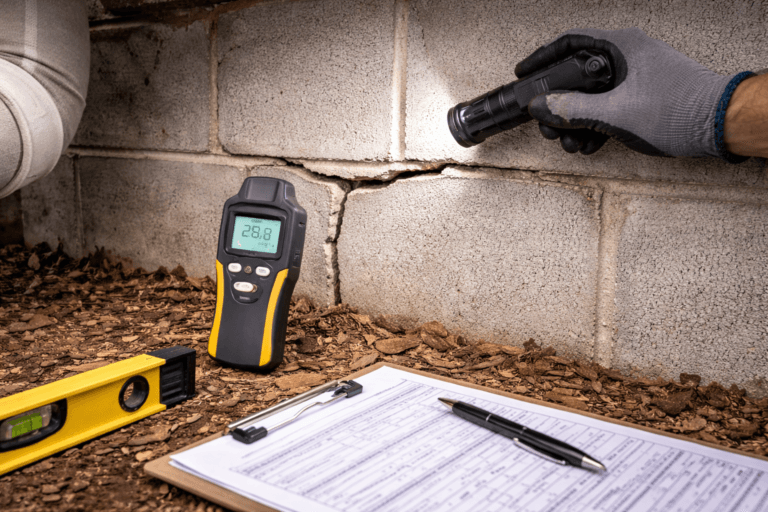
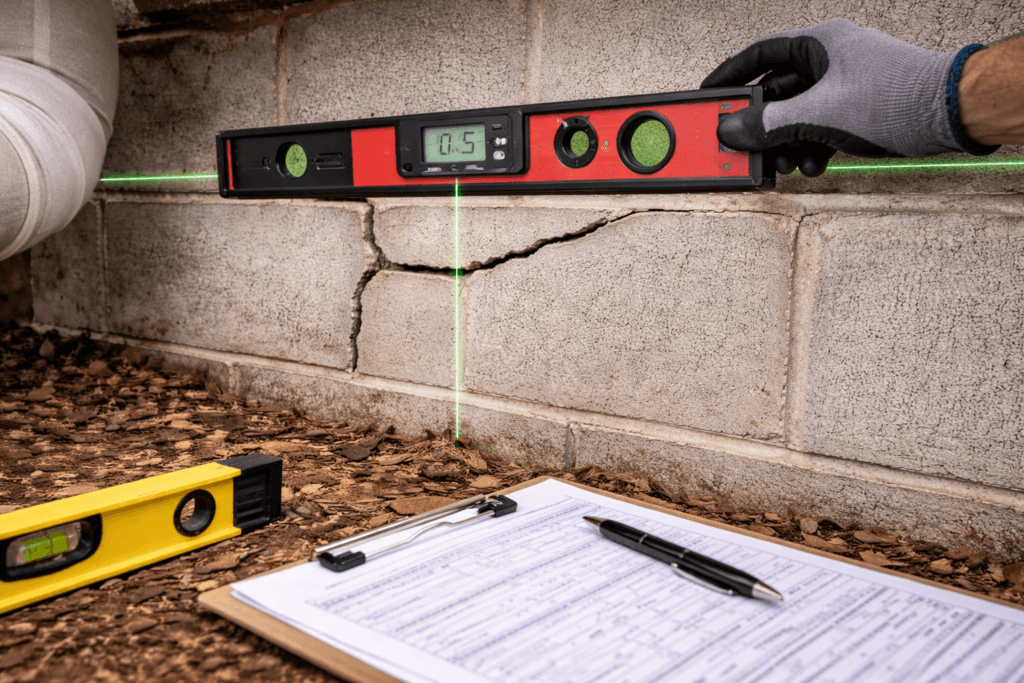
During the site visit, our inspector gathers information commonly collected during a structural field evaluation, including:
Visual assessment of wall construction and configuration
Identification of framing members and bearing indicators (where visible)
Documentation of removed, altered, or damaged wall sections
Observations of floor, ceiling, or roof framing alignment
Photographic documentation of relevant conditions
Floorplan layout documentation (when applicable)
This information is provided to the engineering partner for professional analysis and report preparation.
What You’ll Receive
fter review by the licensed engineer, clients receive:
A formal Engineer’s Load-Bearing Wall Evaluation Report
An Executive Summary outlining findings and conclusions
Identification of whether the evaluated wall is structural in nature
Observations regarding alterations, damage, or load transfer concerns
Engineering recommendations, if applicable
Documentation suitable for buyers, sellers, lenders, contractors, or municipalities
Reports are typically delivered within 2–3 business days, depending on property complexity and documentation availability.
Common Reasons Clients Request a Load-Bearing Wall Evaluation
Through a partnership with a licensed engineering firm, Upchurch Inspection can coordinate an Engineer’s Load-Bearing Wall Evaluation when structural questions or documentation needs arise. These evaluations are commonly requested in situations such as:
Wall removal or modification — confirming whether a wall is load-bearing before or after renovation
Real estate transaction concerns — addressing walls altered prior to sale or flagged during inspection
Permit or compliance documentation — supporting renovation approvals or corrective work
Cracking, sagging, or deflection — evaluating walls associated with floor or ceiling movement
Contractor or homeowner disputes — providing third-party engineering documentation
Prior structural alterations — reviewing conditions where work was performed without engineering review
Peace-of-mind evaluations — confirming structural role and performance
Each evaluation is supported by photographs, site observations, and documented conditions for review by the licensed engineering partner.
Why Choose Upchurch Inspection for Your Load-Bearing Wall Evaluation

Upchurch Inspection is trusted throughout the Mid-South for thorough, professional property evaluations. Our inspectors are experienced in documenting structural conditions and coordinating specialized evaluations when engineering expertise is required.
When working with us, you benefit from:
Clear coordination with a licensed engineering partner
Efficient scheduling and communication
Detailed field documentation
Reports accepted by lenders and stakeholders
Local experience across West Tennessee and surrounding regions
We focus on clarity, accuracy, and professionalism—without overstating scope or authority.